


How the Trump marijuana rescheduling process works and what it does
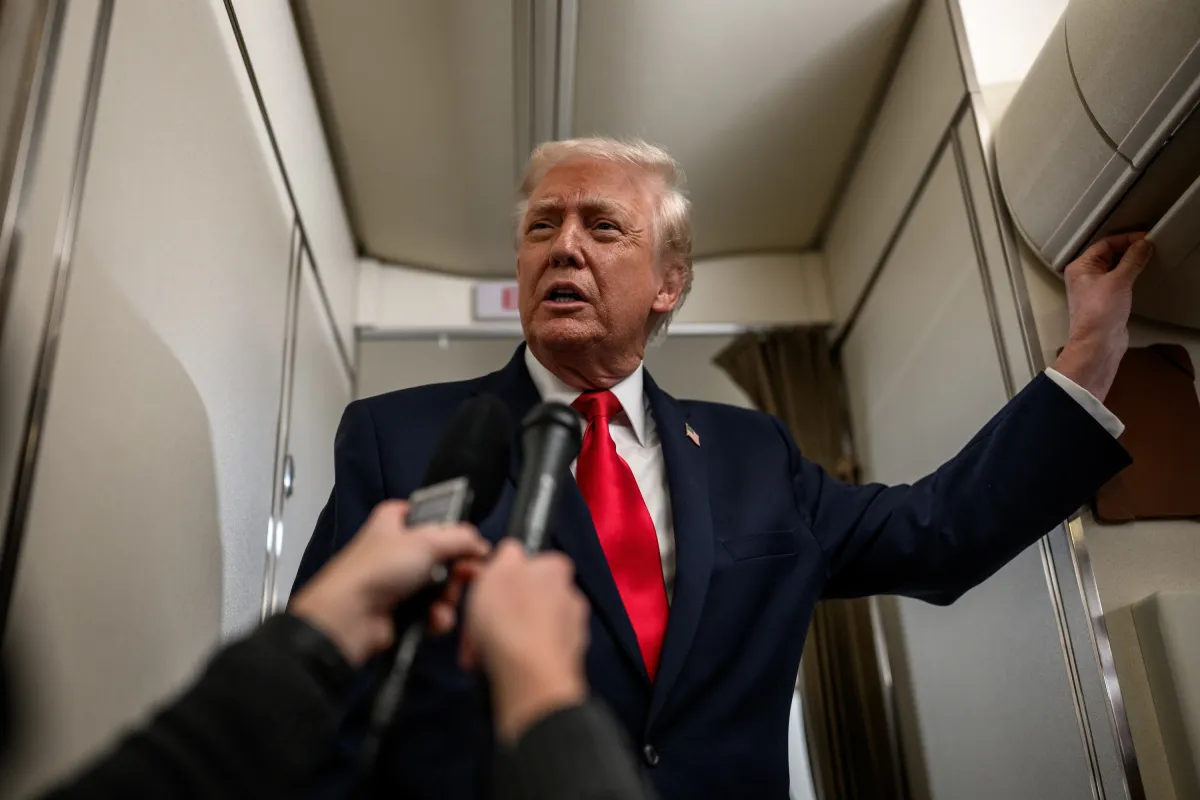
President Donald Trump is expected to order cannabis be reclassified as a less dangerous drug as soon as today.What happens next – and exactly when the $32 billion legal marijuana industry could expect to reap the benefits – is less clear and may remain so even after the president issues an executive order, legal and political observers told MJBizDaily.
ADVERTISEMENT “It’s difficult to say precisely exactly what the rescheduling process will look like at this time,” said Tim Swain, a Boston-based partner at law firm Vicente LLP.“There are several avenues the process could take,” he added, including “a return to last year’s hearings on the DEA’s proposed rulemaking or something similar.” Whether marijuana rescheduling follows a Biden-era pattern or whether Trump takes “a different, perhaps more aggressive approach is unclear and will remain so at least until the executive order is issued,” Swain said.
However, the benefits for the $32 billion U.S.regulated marijuana industry are clear.
What does marijuana rescheduling do for plant touching businesses? Reclassifying cannabis as a Schedule 3 drug, down from Schedule 1 of the Controlled Substances Act, promises tax relief for plant-touching marijuana businesses.Internal Revenue Code Section 280E, which forbids most typical business expense deductions on federal returns, applies only to sellers of Schedule 1 and Schedule 2 drugs.
ADVERTISEMENT “For plant-touching operators, that’s immediate margin and cash-flow relief,” said Jason DeLand, founder and chairman of dosist, a California-based cannabis wellness brand.“It’s the difference between survival and investment in people, R&D, retail experience, safety testing, and brand.” That said, there are clear limits.
Warned DeLand: “Schedule 3 is not federal legalization.” What marijuana rescheduling doesn’t do: banking, investm...