


Invasive rodent plaguing California may have been deliberately released. Here's the theory
This is read by an automated voice.Please report any issues or inconsistencies here.
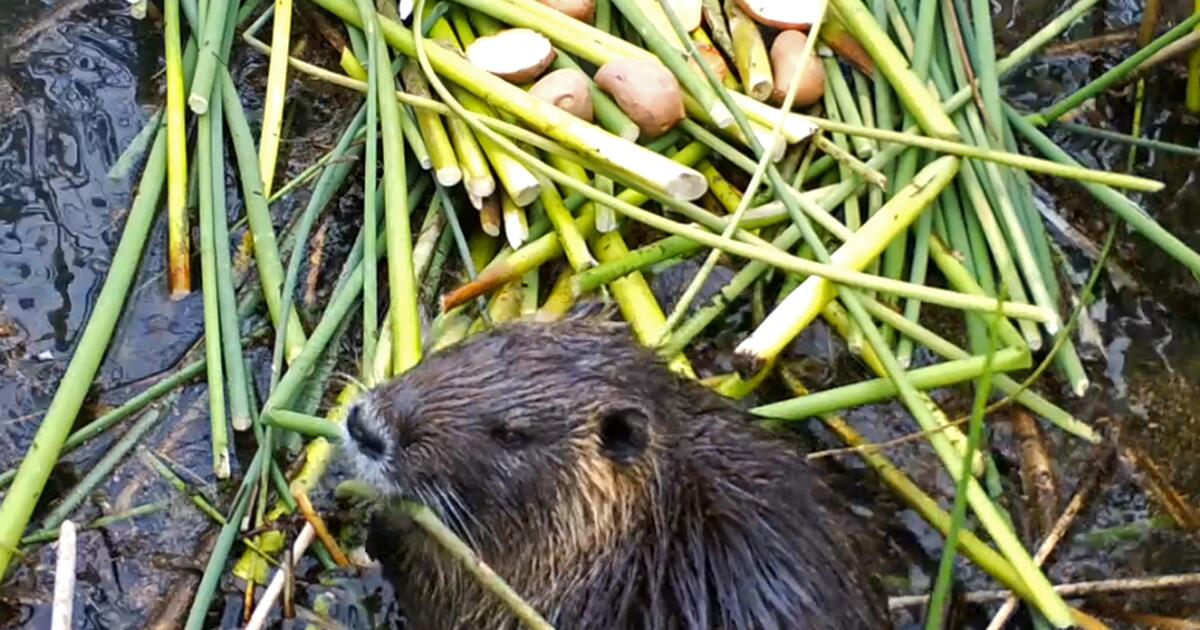
State wildlife officials have finally come up with a theory to explain where a giant, highly destructive rodent that’s been terrorizing California came from: Oregon.Nutria, a creature with the body of a small beaver, webbed feet like a platypus, and the tail of a rat, reappeared in the state’s wetlands a few years ago, nearly four decades after it was considered eradicated.California has been battling the rodent ever since, and recent research by wildlife officials suggests the rodents’ sudden return may have been intentional.The study, released Tuesday by the California Department of Fish and Wildlife, found that the state’s nutria populations share a close genetic match to nutria from Oregon.The distance between the states makes it near impossible for them to have migrated on their own, according to researchers, which means they were likely transported here intentionally.
California Joro spiders have been spotted across the U.S., including in California, having ventured to the country via shipping containers from East Asia.Researchers speculate that people may have brought the rodent to California as a natural remedy to battle overgrowing vegetation or simply because they liked them.The exact reason is unclear.Native to South America, nutrias were originally brought to the U.S.
in the early 1900s to breed and reproduce for a fur trade that was never successful.The rodent was largely unseen until 2017, when a pregnant female was found in Merced County.Nutrias love the sun, and they reproduce rapidly in places with mild winters, according to wildlife experts.
Today, they’re mostly found roaming marshes of the Central Valley, particularly around the Sacramento-San Joaquin Delta.They can eat a quarter of their body weight in vegetation, burrow destructively and ravage waterways and ecosystems.
Researchers say the animal is a threat to the state’s agriculture and wat...