


ICC warrant enforcement on Bato may signal more arrests analysts - BusinessWorld Online
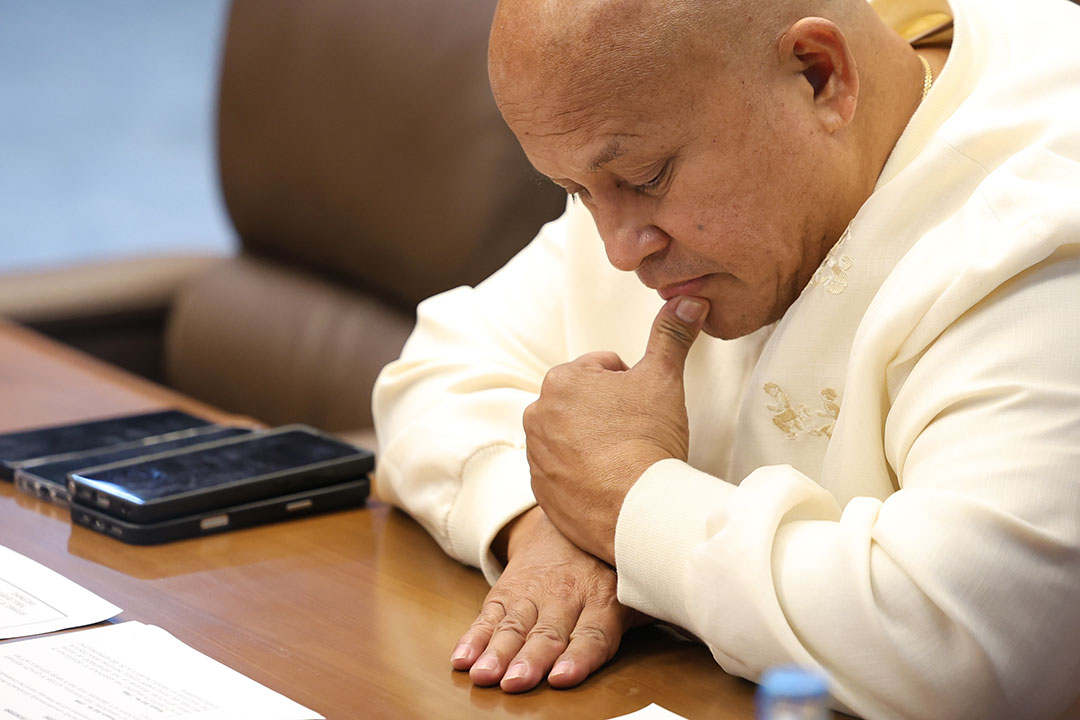
SENATOR RONALD M.DELA ROSA — PHILIPPINE STAR/NOEL B.
PABALATE By Erika Mae P.Sinaking, Reporter THE Philippine government’s decision to enforce an International Criminal Court (ICC) arrest warrant against Senator Ronald “Bato” M.
dela Rosa could signal how authorities will handle future cases tied to former President Rodrigo R.Duterte’s drug war, analysts said, as law enforcement agencies prepare for possible additional warrants.
“This posture removes any doubt that may be used by the subjects of these warrants to question their enforceability before the courts,” Frank Lloyd B.Tiongson, a human rights lawyer and part-time consultant at the United Nations, told BusinessWorld.
Mr.Tiongson said the Philippines retains “residual obligations” under the Rome Statute despite withdrawing from the treaty in 2019.
He noted that under the Rome Statute, which created the ICC, obligations tied to acts committed while a country was still a member may continue even after withdrawal. Mr.dela Rosa, a former Philippine National Police chief, has been identified by ICC prosecutors as among the co-perpetrators of Mr.
Duterte in a case involving his anti-illegal drug campaign covering 2016 to 2019.The ex-President has been under ICC custody since his arrest last year and is awaiting trial for crimes against humanity.
The ICC has cited Mr.dela Rosa’s involvement in killings covering at least 32 people from July 2016 to April 2018, based on records cited in the arrest warrant.
“Republic Act (RA) No.9851 or the Philippine Act on Crimes Against International Humanitarian Law, Genocide and Other Crimes Against Humanity and the Rome Statute are parallel and mutually reinforcing in many respects,” Mr.
Tiongson said in an e-mailed reply to questions.“RA 9851’s provisions virtually replicate many of the Rome Statute’s provisions.” He said RA 9851 is meant to provide a domestic accountability mechanism for c...