


Foreign enemies have a shockingly simple way to track US troops overseas, lawmakers warn
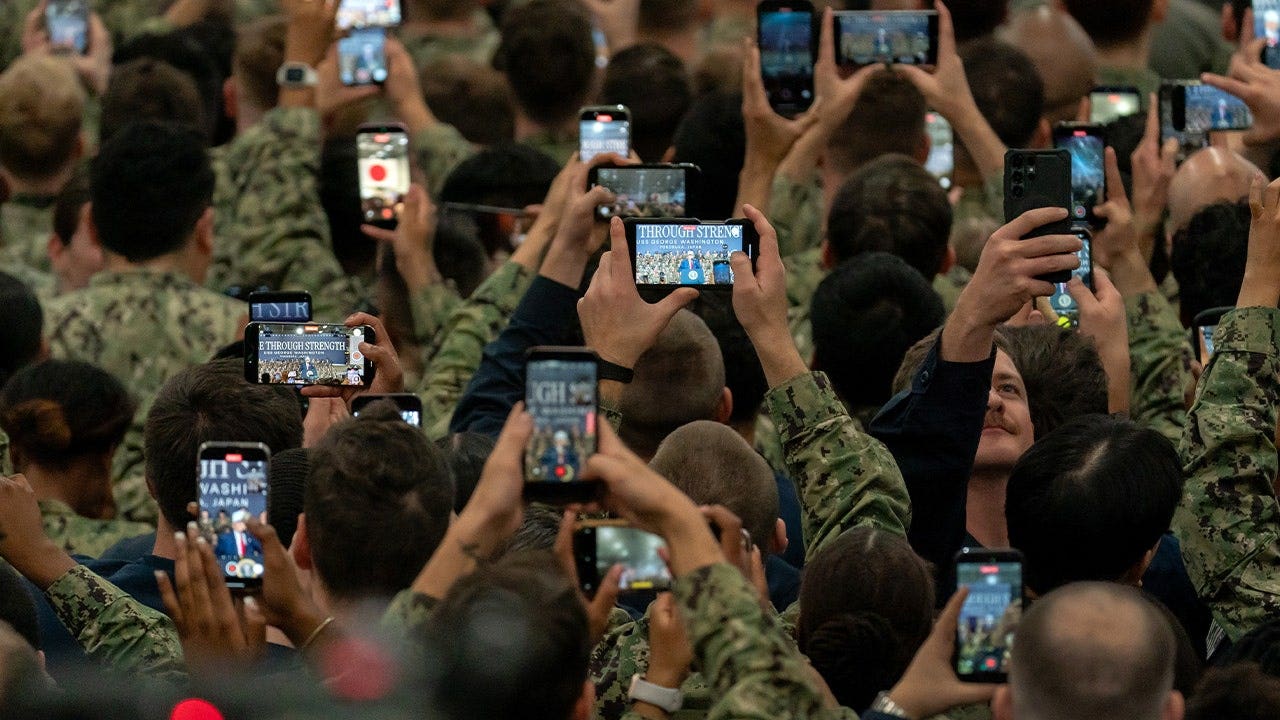
A bipartisan group of lawmakers is demanding answers from the Pentagon after U.S.Central Command disclosed it had received multiple threat reports indicating foreign adversaries were exploiting commercially available location data to target or surveil American military personnel overseas.In a letter to War Department Chief Information Officer Kirsten Davies, lawmakers led by Sen.
Ron Wyden, D-Ore., and Rep.Pat Harrigan, R-N.C., warned that the Pentagon "has not taken basic steps to protect U.S.
military personnel from the serious counterintelligence and force protection threat posed by the collection and sale of personal information, including cell phone location data, by data brokers."The lawmakers cited information provided by U.S.Central Command, which told Congress it "has received multiple threat reports concerning adversary exploitation of commercial location data to target or surveil U.S.
personnel in theater."The warning centers on the vast commercial data broker industry, which collects and sells location information generated by smartphones, apps and advertising networks.Lawmakers say adversaries may be able to purchase or otherwise obtain that data and use it to identify military installations, monitor troop movements or track individual service members.HACKERS CLAIM MASSIVE BREACH OF COMPANY THAT TRACKS AND SELLS AMERICANS' LOCATION DATAA bipartisan group of lawmakers is demanding answers from the Pentagon about adversaries exploiting commercially available location data to target or surveil American military personnel overseas.
(Tomohiro Ohsumi/Getty Images)After revealing that CENTCOM had received multiple threat reports involving adversaries exploiting commercial location data, the lawmakers argued the Pentagon has failed to adequately address a vulnerability that has been known for years."That foreign adversaries are still able to buy location data collected from the phones of U.S.personnel serving in military hotspots is a direct result of DOD ...