


This year’s White House Correspondents’ Dinner should have been the same as any other: a beloved, annual tradition that brings together the media, politicians, and administration officials to celebrate our free press, build relationships, and honor the First Amendment.Instead, the event served as a reminder of the urgent need to modernize and secure the White House complex.The third assassination attempt of President Donald Trump proves these are no longer random acts.
This is a pattern.The reality is that our nation’s security has changed.Risks have evolved, and today’s threats are far more sophisticated than they were even a decade ago.
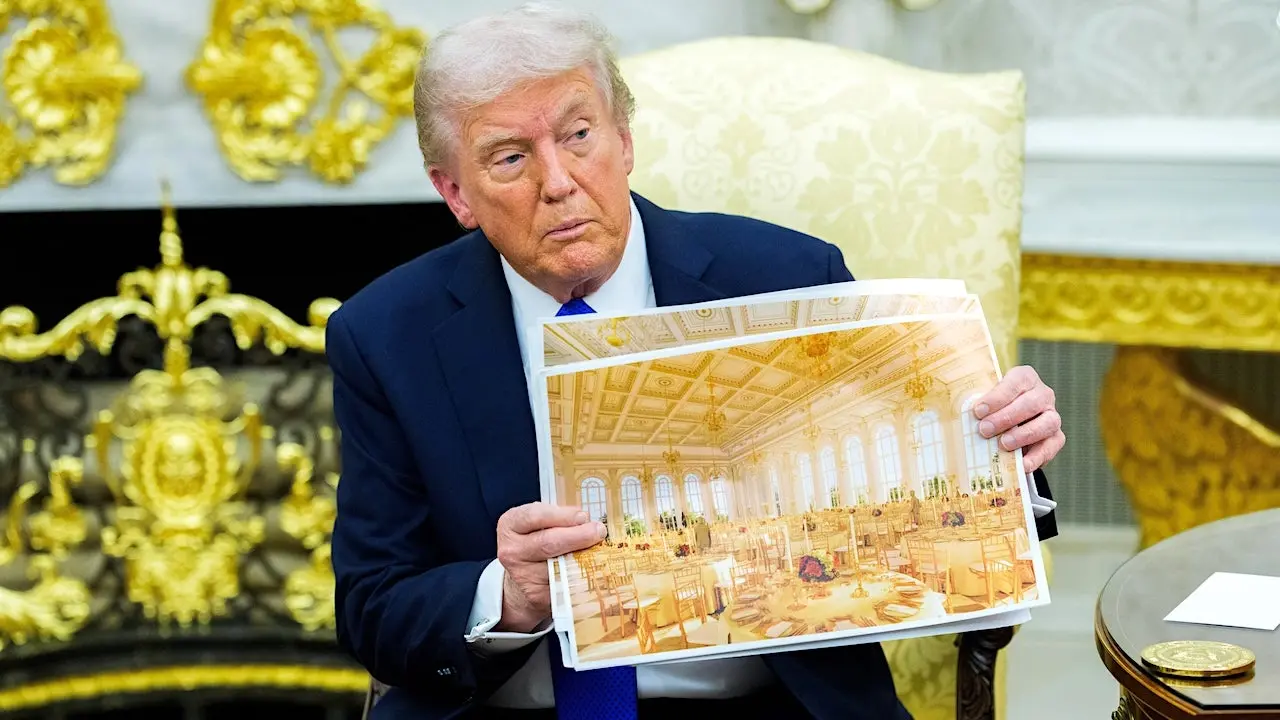
Beyond politics, this is about the safety of modern democratic institutions and the people who work in and visit them every day.Major events at the White House now require security protocols that often exceed the physical capabilities of the current complex.WHITE HOUSE CORRESPONDENTS' DINNER SHOOTING SHARPENS FOCUS ON TRUMP’S BALLROOM CONSTRUCTION PROPOSALThe White House Ballroom will address those challenges directly by creating a controlled, secure venue for official gatherings, mitigating unnecessary risk for everyone in attendance.Much as it would protect the president and heads of state, it would also improve safety for journalists, staff, and security personnel working and attending events as well.
As threats to high-profile gatherings continue to evolve, so too must the infrastructure designed to prevent them.Existing White House event and security spaces were designed for a different era, one in which cyber threats, drones, and coordinated security risks were not daily realities.While the White House Military Office and the United States Secret Service continue to adapt with professionalism and precision, physical infrastructure limitations remain.
Today, increased national security concerns demand facilities capable of accommodating modern protective measures, including enhanced screening, secure access contr...