


While many Netflix executives, including CEO Ted Sarandos, claimed that they wouldn't make such changes, it seemed clear what their interest in Warner Bros.came to.
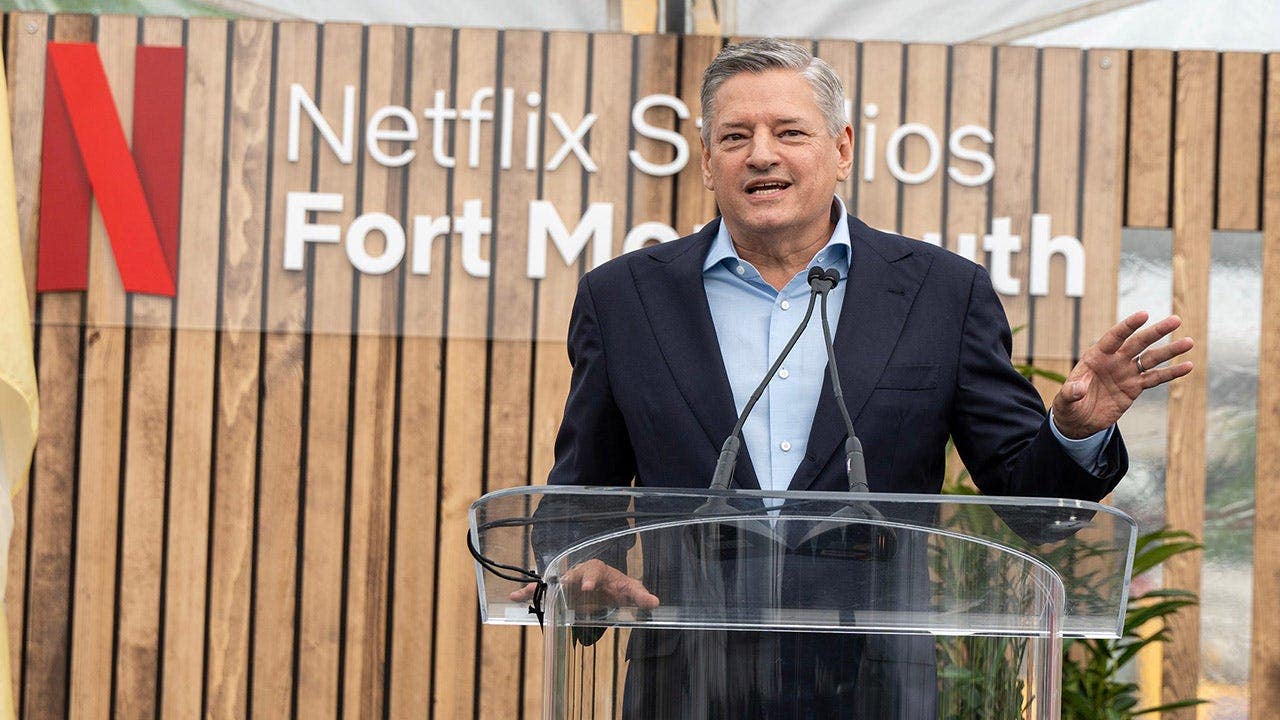
Instead of building up the theatrical model, essentially developing and producing movies with the intent of showing them in theaters, Netflix wanted Warner Bros.' impressive slate of intellectual property.Essentially, the logic behind the purchase would be that to see the next DC Studios release, like, a Batman film, for example, audiences would need to subscribe to Netflix.TRUMP SAYS 'ANY DEAL' TO BUY WARNER BROS SHOULD INCLUDE CNNTed Sarandos, CEO of Netflix, speaks during the Netflix Studios Fort Monmouth groundbreaking in Eatontown, New Jersey, on May 13, 2025.(Tanya Breen/Asbury Park Press / USA TODAY NETWORK via Imagn Images)Sarandos in the past has spoken about the theatrical model being "outdated," that audiences are happier watching from their couches than in theaters.
Then, in the wake of the announced purchase agreement, Deadline reported that Sarandos and Netflix favored a 17-day release window.Effectively, a Netflix-Warner Bros.
movie would have spent just 17 days in theaters before hitting streaming services.That's far lower than the traditional 90-day window, and significantly lower than the more modern 45-day barrier.Still, Netflix maintained that its Warner Bros.
purchase wouldn't end the theatrical model entirely.Except it just admitted it doesn't want to work with filmmakers who are adamant about movies actually being released in movie theaters.In a new interview with The New York Times, Dan Lin, the chairman of Netflix's film division, explained their thinking.ZERO BS.
JUST DAKICH.TAKE THE DON'T @ ME PODCAST ON THE ROAD.
DOWNLOAD NOW!"There is a group of filmmakers who still want theatrical.Those are filmmakers that we’ve accepted we just won’t work with," Lin said.A drone captures the Warner Bros.
studio lot in Burbank, California, on Dec.8, 2025.
(Mike Blake/Reuters)That...