


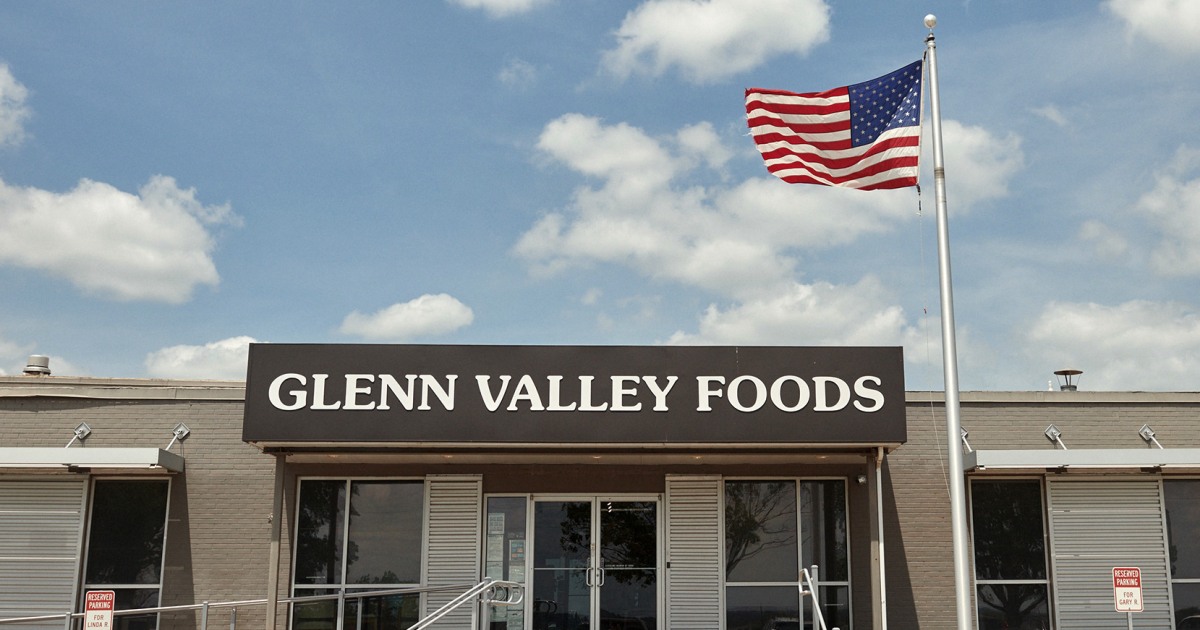
It’s been a year since federal immigration authorities detained 76 employees at a meatpacking plant in Nebraska’s second-largest worksite immigration raid.Subscribe to read this story ad-free Get unlimited access to ad-free articles and exclusive content.But the effects are still being felt.South Omaha’s business district has not fully recovered from the negative economic effects of the raid on the Glenn Valley Foods meatpacking company, city officials and community leaders said at a press conference Tuesday.Following the raid last June, federal authorities had touted the operation as uncovering “massive identity theft,” accusing the immigrant workers of using stolen Social Security numbers to obtain employment.Yet, a year later, only one woman has been charged with the crimes federal immigration authorities said drew them to the meatpacking plant in the first place.The person pleaded guilty and was sentenced to a year in prison.“If they’re meant to make our community safer, they’re not doing that,” Roger Garcia, chairman of the Douglas County Board of Commissioners, said at the press conference about the raid and other subsequent immigration actions in Omaha.Douglas County Commissioner Roger Garcia during a press conference, in Omaha, Neb., on Tuesday.WOWTMeanwhile, the people who were detained, their families and the broader community are still dealing with the enforcement action’s ripple effects, leaders noted, as they try to mitigate the effect on local businesses.
The community leaders encouraged participation in a “Day of Joy” event Wednesday to support the businesses in the predominantly Latino 24th street corridor.Two community surveys of the South Omaha business district show that business health and customer traffic remain low.Forty local business owners surveyed by the Nebraska Hispanic Chamber of Commerce said uncertainty, misinformation about immigration enforcement actions and ingrained fears have affected consumer behavi...