


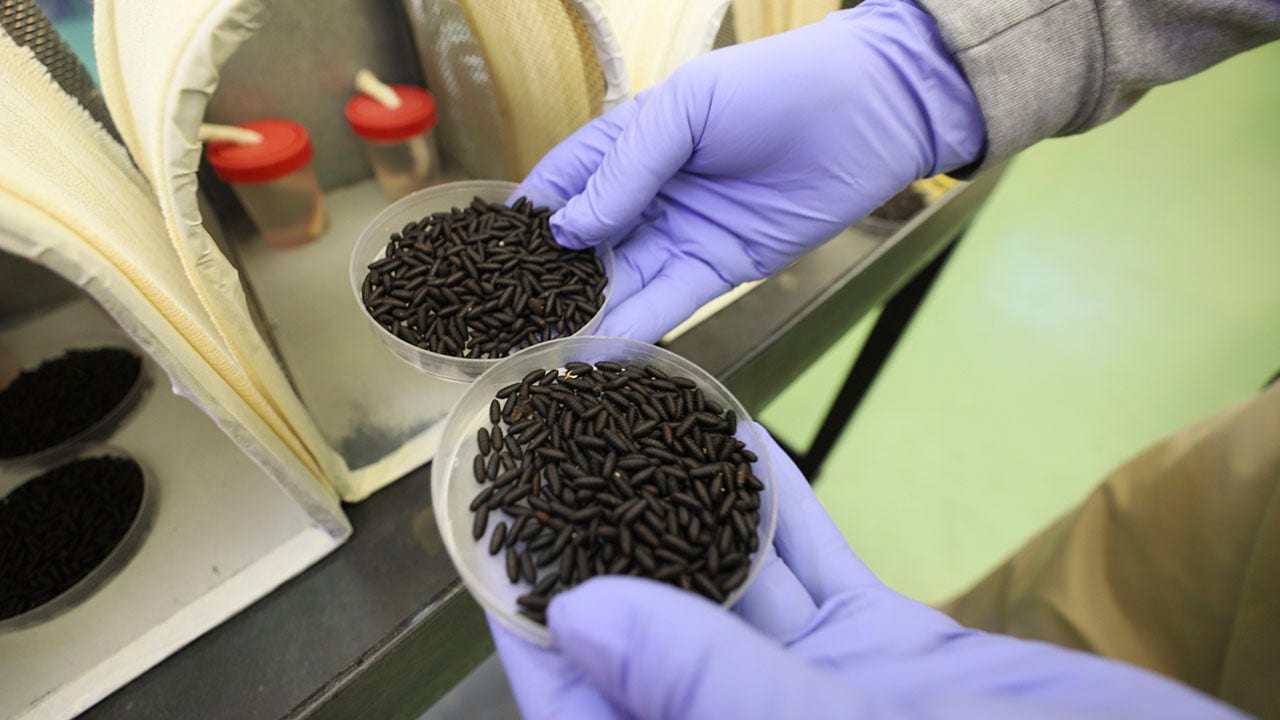
As the New World screwworm returns to American soil for the first time since its eradication 60 years ago, Texas is now on the front line of Mexico's threat to U.S.sovereignty and national security.The return of New World screwworm to the United States began with the collapse of the biological containment barrier in Central America that broke in 2021 when millions of illegal aliens were moved through the Darién Gap, overwhelming border controls and expanding the cartel-controlled smuggling corridors that later carried infested livestock northward.
By the time Mexican authorities confirmed the first cases in November 2024, the parasite had already spread across Central America and deep into southern Mexico.Mexican officials’ complicity in cartel control over these routes turned mass migration into a gray-zone weapon that expanded smuggling infrastructure and increased pressure on the U.S.-Mexico border.Mexican cartels function as de facto proxies for elements of the Mexican state in this gray-zone campaign.
They move an estimated 800,000 cattle per year from Central America into Mexico through these same poorly governed corridors, using fake ear tags and falsified veterinary records to bypass government checkpoints, sanitary inspections, and taxes.The illicit trade is worth roughly $320 million annually.
Once inside Mexico, the animals are laundered into the legal system, where they can enter feedlots or reach federally inspected Tipo Inspección Federal (TIF) slaughter plants used for domestic processing and exports.As of June 3, the New World screwworm has caused more than 171,700 cumulative animal cases and more than 2,070 human cases across Mexico and Central.
Many infestations go undetected or unreported, so official figures likely understate the outbreak’s true scale.US SHUTS SOUTHERN BORDER TO LIVESTOCK IMPORTS TO STOP SPREAD OF DEADLY FLIESElements of the Mexican state continue to protect cartel networks moving high-risk biological material toward th...