


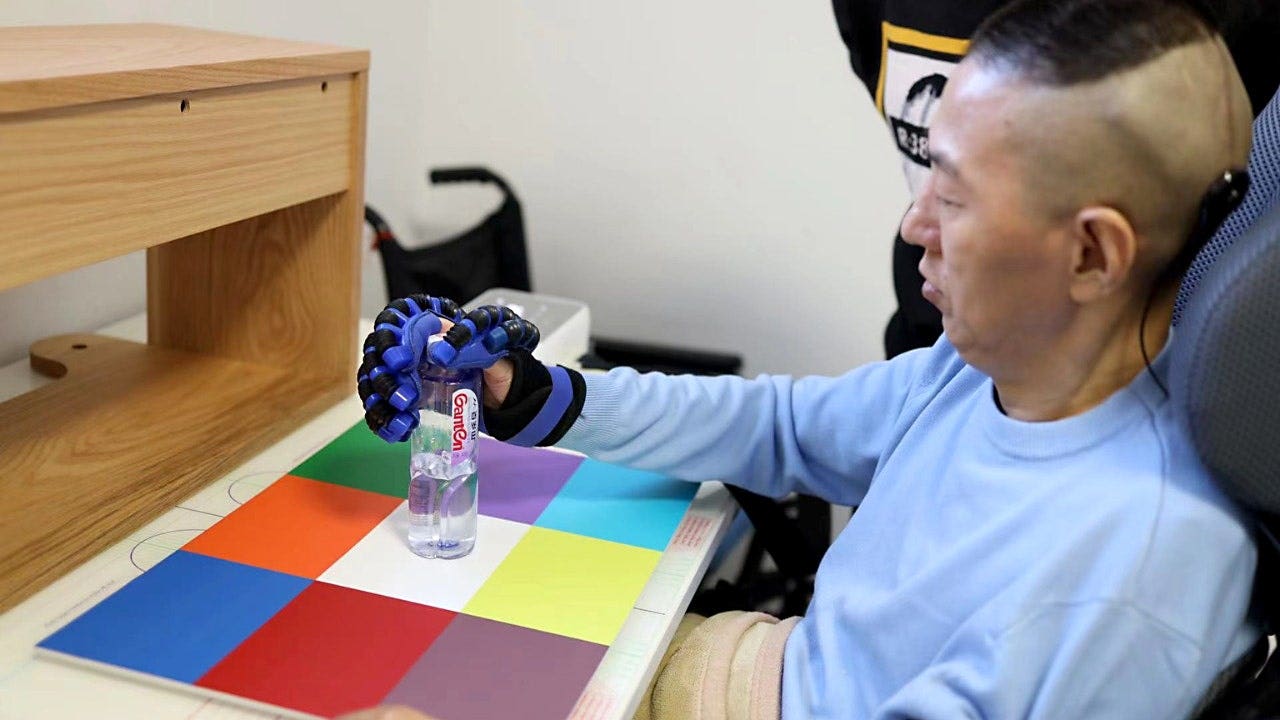
A coin-sized brain chip in China could help people with paralysis control devices using their thoughts.China has approved a brain-computer interface called NEO for commercial medical use in certain patients with paralysis caused by spinal cord injuries.
That moves brain-chip technology out of research trials and closer to real-world medical care.Developed by researchers at Tsinghua University and Shanghai-based Neuracle Technology, NEO sits under the skull but rests on the brain's protective outer layer rather than piercing deep into brain tissue.That design could make it less invasive than some competing implants.For patients who have lost movement, this kind of technology could be life-changing.
It could help restore a level of independence that once felt out of reach.But here's where we need to slow down a bit.
If a brain chip can turn your brain signals into digital commands, we need to ask who controls that data and how well it is protected.Sign up for my FREE CyberGuy ReportBRAIN IMPLANT ENABLES ALS PATIENT TO COMMUNICATE USING AIChina’s NEO brain implant could help some paralysis patients control devices, like prosthetic hands, with their thoughts while raising concerns over brain data privacy.(Tsinghua University)NEO is a brain-computer interface, often called a BCI.
These systems read brain activity and translate it into commands for an external device.In this case, the implant uses sensors placed near the brain's motor-control area.
Those signals can help a patient operate equipment such as a robotic glove or computer interface.What makes NEO especially notable is its placement.Brain-computer interfaces can be designed in different ways, and some go deeper into the brain than others.
The company most people know in this space is Neuralink, the brain-chip startup co-founded by Elon Musk.Its implant uses tiny threads that enter the brain's cortex.
NEO takes a less invasive approach by placing electrodes on the dura mater, which is the protective mem...