


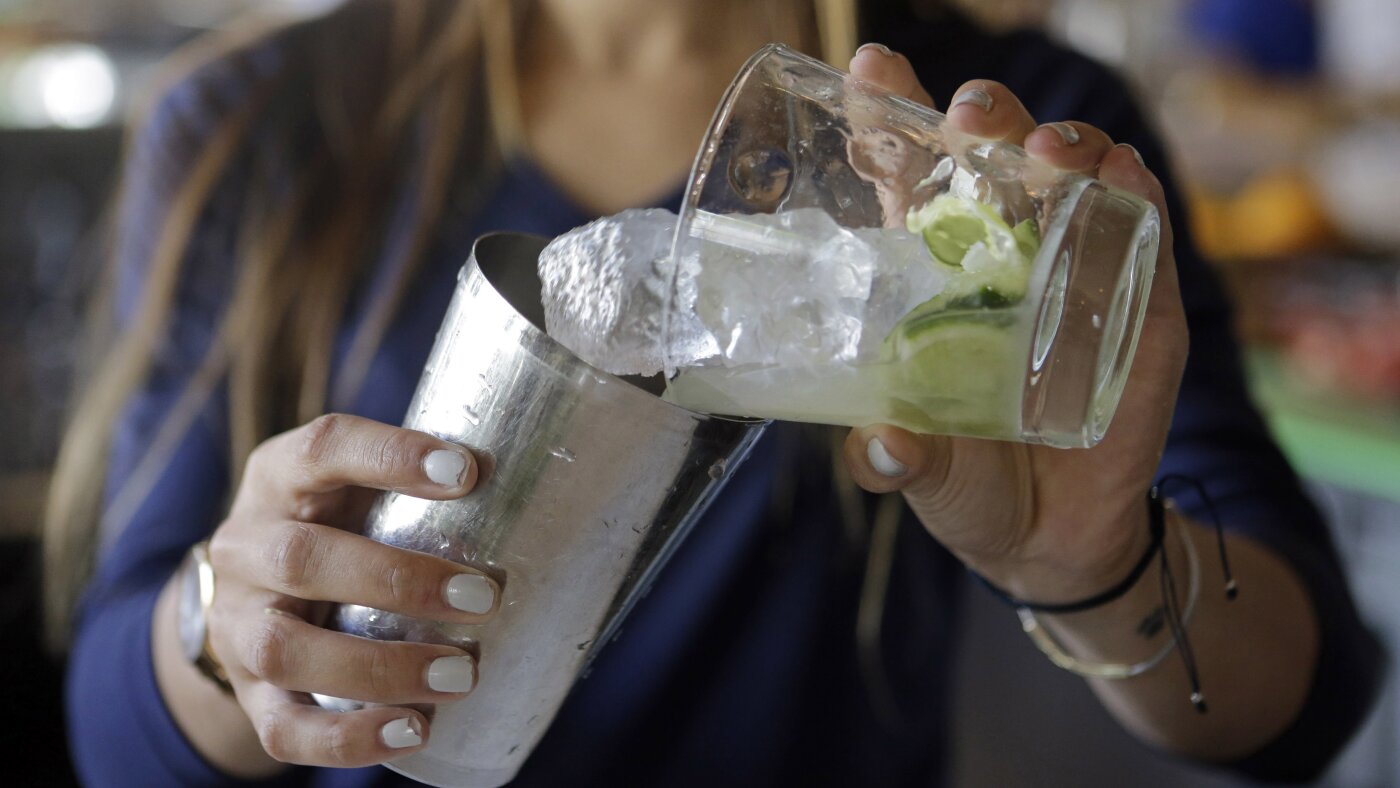
RIO DE JANEIRO, Brazil—The Trump administration's tariffs may have done what decades of diplomacy couldn't: convince Europe and South America they needed each other.For Brazil's cachaça makers, that diplomatic shift is already becoming a business opportunity."I think growth will be immense," distiller Assja Schymura of Pindorama, said."If we can only get over these initial barriers."Cachaça, Brazil's sugarcane-based liquor and the key ingredient in the country's famed cocktail, the caipirinha, has won awards in European competitions but has long struggled to break into the market.
Import taxes and lack of familiarity kept it mostly a niche export.Producers now see a chance to change that.In May, the European Union and Mercosur— a South American trade bloc known as the "Southern Common Market" that includes Brazil, Argentina, Uruguay, and Paraguay — finally advanced a long-delayed trade agreement, cutting tariffs on hundreds of goods from airplane parts to cachaça.
Bolivia, which became a Mercosur member after most of the deal was already negotiated, is expected to join it in the next few years.The countries moved past decades of stalling to sign the deal after both sides were hit with U.S.tariffs last year.
Unpredictable relations with the United States "tends to lead to seeking additional partners to make up for that," former Brazilian trade official and diplomat Roberto Jaguaribe said.The EU-Mercosur agreement goes beyond just trade.It also commits members to uphold democratic institutions and remain in the Paris climate agreement—commitments European and South American officials say matter more as Washington steps back from global climate and democracy initiatives under the Trump administration.That shift in relations has given a new momentum to other talks.
At a conference in Brazil this month on strengthening ties between Europe and Latin America, Finnish diplomat Anna-Kaisa Heikkinen argued that countries committed to the rules-based internation...