


Researchers in the United Kingdom believe they've finally identified a shipwreck off England's southern coast — a discovery three decades in the making.The identification was announced in June by Bournemouth University and centers on a shipwreck discovered near Salcombe, Devon, in 1995.At the time, divers recovered over 400 Moroccan gold coins — but there was no clue as to what the ship was called and where it came from.1,740-YEAR-OLD ROMAN COIN BEARING EMPEROR'S NAME FOUND AS ENGLAND RAIL DIG REVEALS CLUESNow, researchers have identified it as the Dutch trading ship Dom van Keulen, a vessel that left Morocco for the Netherlands in the fall of 1633.At the time, the ship "sprang a leak and sank," according to the university's news release.All crew members survived.The identification of the Dom van Keulen followed decades of collaboration among divers, archaeologists and researchers from multiple institutions.
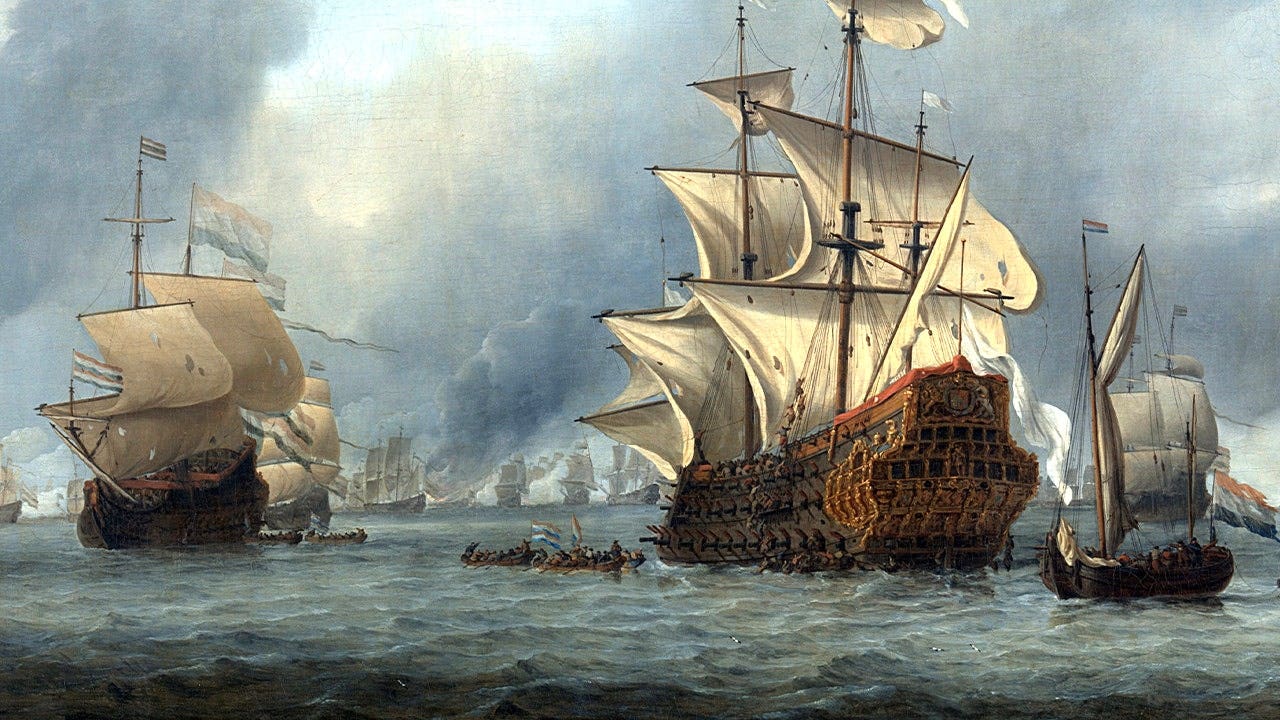
(British Museum; Maritime Archaeology Sea Trust (MAST))The findings are detailed in the recently published book "From Morocco to the Coast of England: The Story of the Dom van Keulen and its Remarkable Cargo."SHAKESPEARE'S MISSING LONDON HOME PINPOINTED AFTER CENTURIES-LONG MYSTERY, RESEARCHER SAYSThe identification involved nearly 30 years of collaboration between researchers and divers from the British Museum, Bournemouth University and the South West Maritime Archaeology Group.Very little is known about the appearance or size of the Dom van Keulen and no known paintings of the ship exist, according to the Bournemouth University release.Artifacts recovered from the shipwreck have helped researchers reconstruct the history of a Dutch merchant vessel lost off the Devon coast.(British Museum via Bournemouth University)The wreck site measures about 98 feet long and rests roughly 59 feet below the surface, where cannons, anchors and other artifacts are still scattered across the seabed.Dave Parham, a professor of maritime archaeology at Bournemouth University...