


America's biggest obstacle in the technology race with China may no be Beijing, but growing resistance to new data centers and the power needed to run them, according to Palantir's chief technology officer."The proximate issues are definitely going to be power and backlash against data centers," Shyam Sankar said in an interview with Fox News Digital at Palantir's American Builder Summit.Sankar, whose company builds software for the Pentagon, intelligence agencies and major manufacturers, argued the U.S.risks slowing its own technological progress more than falling behind Beijing."The only threat to AI generating prosperity for America is suicide, not homicide."The U.S.
and China are pouring billions into the race to dominate artificial intelligence, viewing the technology as central to economic growth, military power and geopolitical influence.Winning that race depends on an enormous buildout of data centers, power generation and transmission infrastructure to support increasingly capable systems.
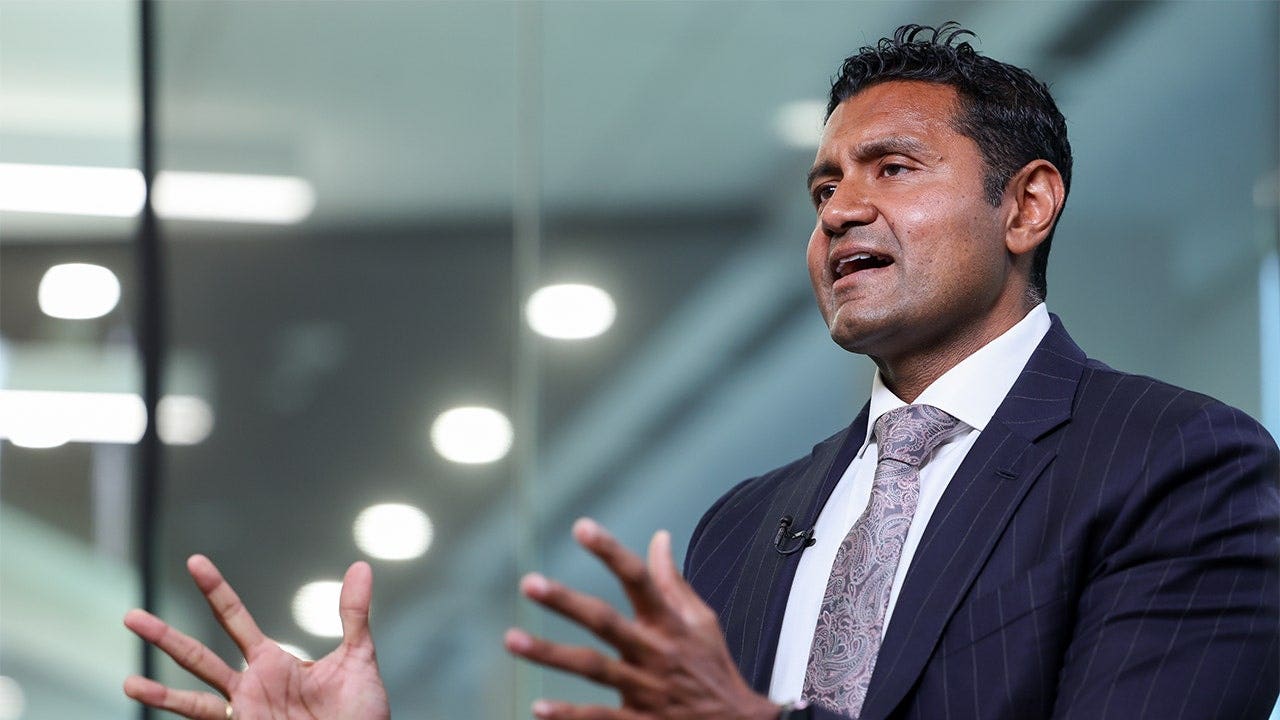
But those projects have drawn growing resistance from communities worried about electricity demand, water use and whether the benefits will outweigh the costs.Shyam Sankar, chief technology officer of Palantir Technologies, speaks during a Bloomberg Television interview on the sidelines of the Pennsylvania Defense and Innovation Summit in Carlisle, Pa., on Wednesday, July 15, 2026.(Tom Brenner/Bloomberg via Getty Images)LEADING ECONOMIST WARNS OF RISE OF 'GEN Z AFFORDABILITY SOCIALISM'Companies have raced to build new data centers to support a wave of new computing infrastructure, fueling a nationwide expansion that has also sparked growing local opposition.
The issue has spilled into the 2026 midterm campaigns, with candidates in battleground states such as Pennsylvania running ads focused on the economic and environmental effects of the projects.Residents have raised concerns about electricity demand, water consumption, noise, traffic and whether utility customers wi...