


Your phone holds a running record of your life.It can reveal private messages, photos, financial records and location history.
That explains why some people turn to extreme security tools.One of them is a secret phone wipe code that erases stored data when someone enters a secondary passcode.
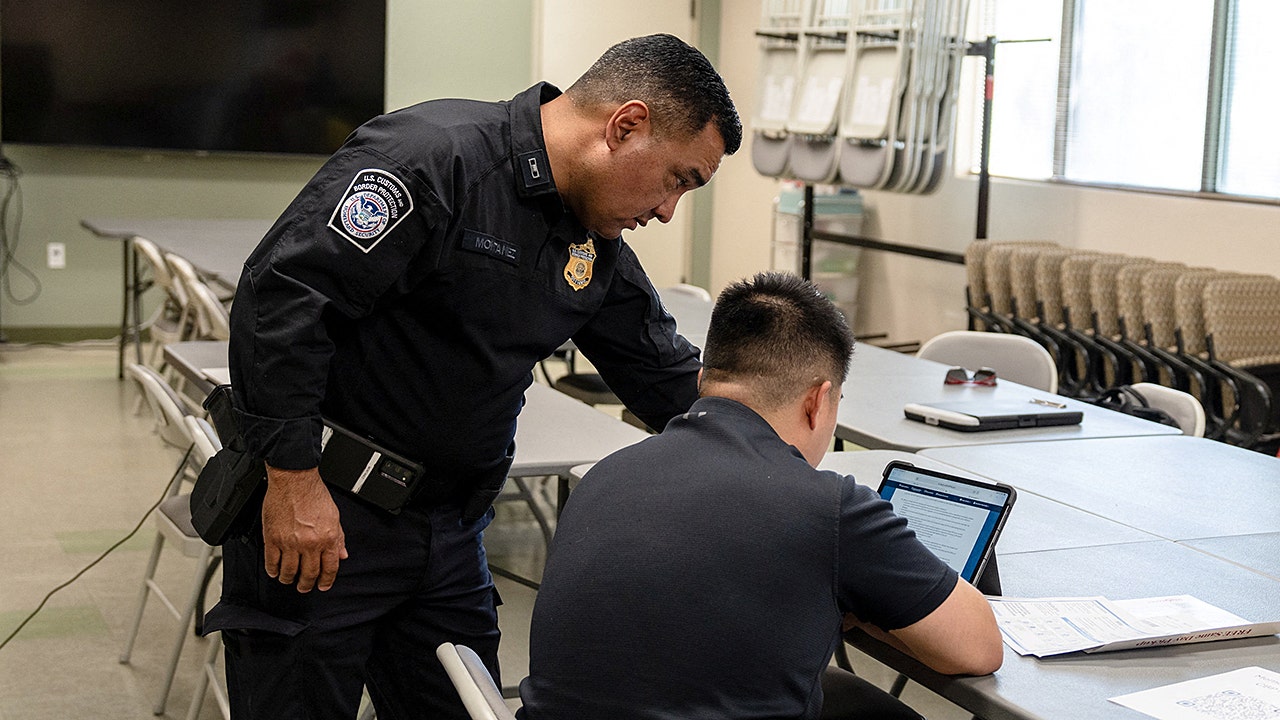
However, using that feature during a federal inspection can create serious legal trouble.An Atlanta man now faces a felony charge after a special passcode allegedly erased his Google Pixel while U.S.Customs and Border Protection officers were trying to inspect it.
Prosecutors say he knowingly destroyed digital property that the government had lawful authority to seize.His attorneys dispute that account.
They argue that agents detained him unlawfully and had no valid authority to take the phone.The unresolved case puts personal privacy and border security on a collision course.It also shows how quickly a phone protection feature can become the center of a federal prosecution.New! Free live CyberGuy class: Protect Your Money From Today’s Biggest ThreatsJoin us Saturday, Aug.
29, at 10 a.m.ET for a free CyberGuy LIVE class covering five simple steps to help defend yourself against AI scams, fraud, identity theft and financial hacks.
Kurt "CyberGuy" Knutsson will explain how to set up bank alerts, strengthen your account logins, protect your phone number, freeze your credit and help secure your retirement savings against unauthorized transfers.No technical experience is needed.
You’ll also receive our financial protection checklist, and every registrant will get a link to the class recording afterward.Reserve your free spot today at CyberGuyLive.com.UK SPY POWERS DRAW US SCRUTINY OVER ALLEGED APPLE ENCRYPTION BACKDOOR DEMANDA Google Pixel displays GrapheneOS, the privacy-focused operating system at the center of the federal phone-wipe case.(Kurt "CyberGuy" Knutsson)Samuel Tunick, a U.S.
citizen who lives in Atlanta, returned from a vacation in the Dominican Republic on ...