


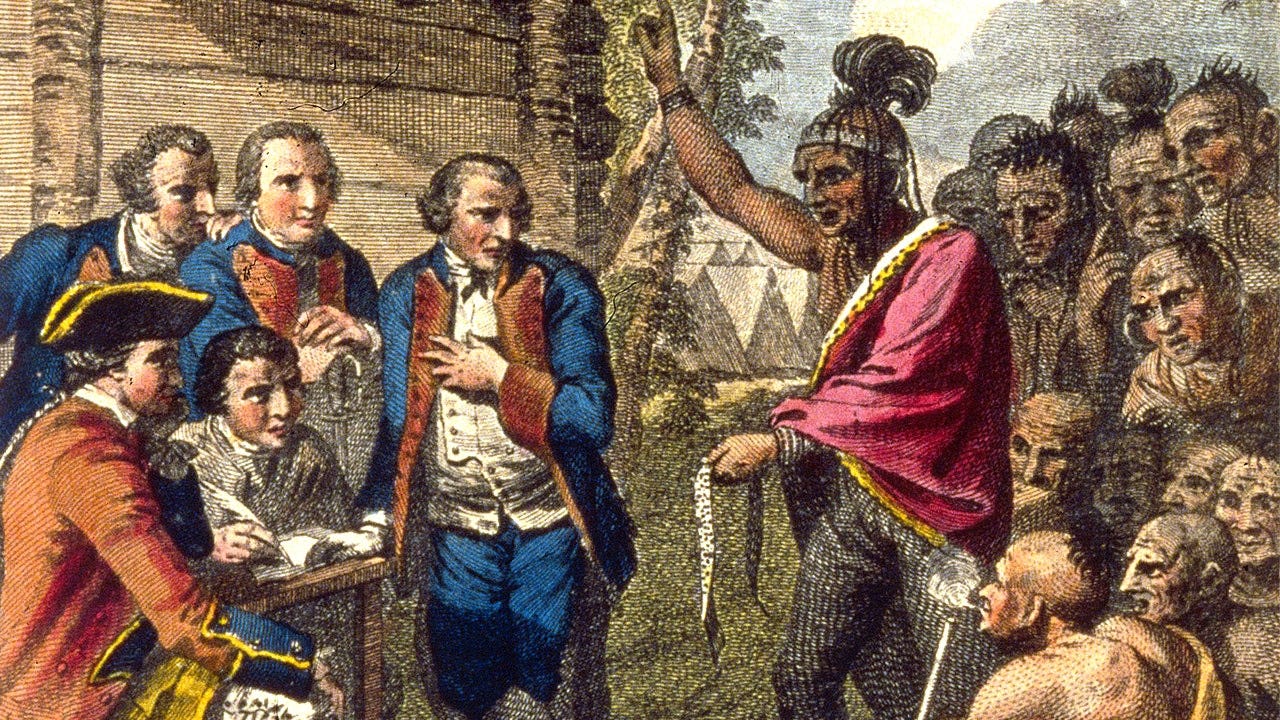
DNA recovered from centuries-old mummies in Chile has provided the strongest evidence yet that smallpox arrived in the Americas after European colonization.The recent research, published in the journal Science, centers on Chilean mummies whose ancient DNA yielded evidence of smallpox infections dating to the early colonial period.Geneticist Shigeki Nakagome of Trinity College Dublin and his colleagues analyzed 13 bone samples previously collected from an archaeological site at Camarones in northern Chile.EXPERTS IDENTIFY VICTIMS FROM ONE OF HISTORY'S MOST 'CATASTROPHIC' ARCTIC DISASTERSThey then uncovered evidence of two smallpox infections in one man and one woman believed to have died between 1492 and 1631.While historians have long known that smallpox reached the Americas following European contact, the discovery marks the first evidence of the disease in that part of South America.Smallpox devastated Native populations after Europeans arrived in the Americas, but questions remain about how the virus spread across the continents.(MPI/Getty Images)The research raises questions about how the virus traveled so far south.Smallpox, which was eradicated in 1980 and no longer naturally circulates, was once one of the world's deadliest diseases.EXPERTS FINALLY SOLVE MYSTERY OF TEENAGE REVOLUTIONARY WAR SOLDIER 246 YEARS AFTER HIS DEATHIt killed roughly one-third of those infected.Those who survived the disease were often left disfigured and scarred.Smallpox, once one of the world's deadliest diseases, killed roughly one-third of those infected and scarred many survivors.
(Universal History Archive/Getty Images)Smallpox devastated Native populations after Europeans arrived in the Americas — and researchers are still unsure exactly who first brought the virus or how it spread across the continents.CLICK HERE TO SIGN UP FOR OUR LIFESTYLE NEWSLETTERThe virus may have spread through long-established Native trade networks, while researchers say it also could have passed thr...