


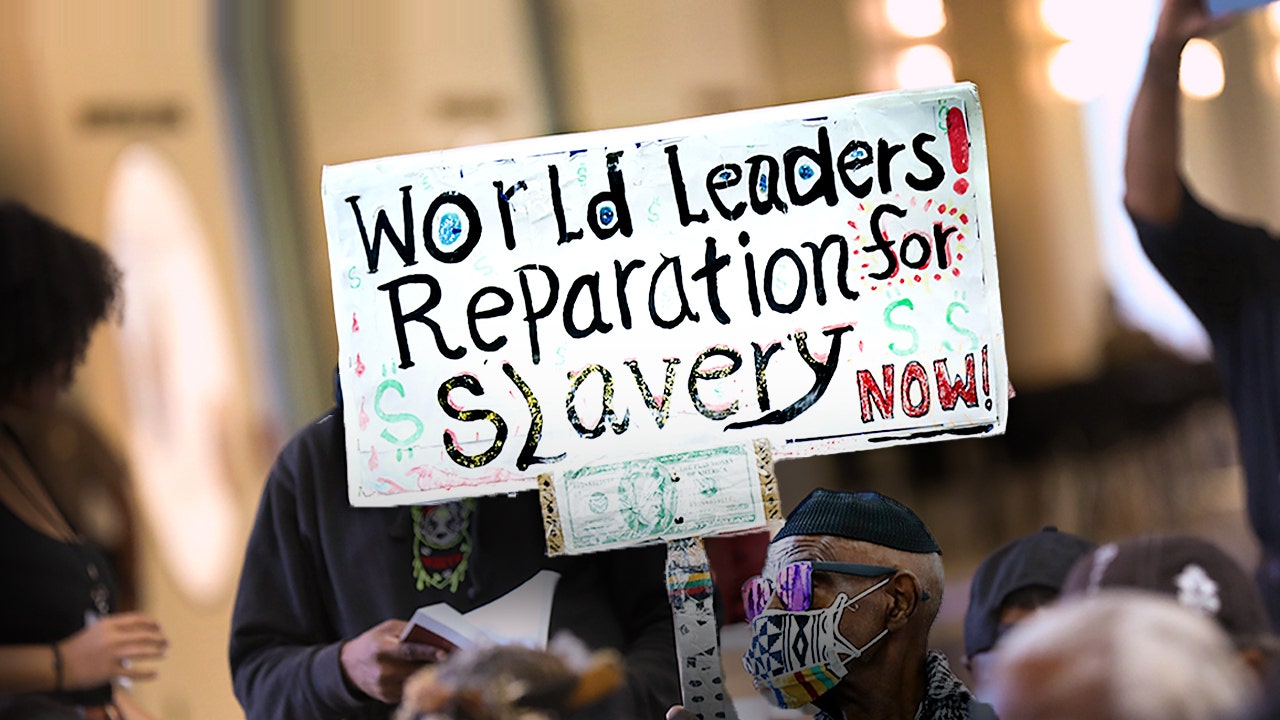
The United Nations (UN) said on Monday that countries are legally obliged to consider reparations for the transatlantic slave trade and other measures to address what it says is the enduring legacy of racial discrimination, but an attorney seeking to shut down the effort insists it won't work in the U.S.The Committee on the Elimination of Racial Discrimination (CERD) is calling on "States to implement comprehensive restorative justice, combining compensation, restitution, rehabilitation and structural reforms," the UN News reported."Irrespective of the legal characterization of the original historical acts, States Parties remain bound by their present obligations under the Convention to address structural inequalities," the UN document states.Guidance published by the Committee on the Elimination of Racial Discrimination stated that the obligations stem from a legally binding 1965 convention on racial discrimination, not from the legal standards that existed during the slave trade era.1619 PROJECT CREATOR CLAIMS PAYING REPARATIONS WOULD BE ADMISSION THAT US EXISTENCE IS A 'CRIME'The United Nations says countries are legally obliged to consider slavery reparations and implement restorative justice for racial discrimination.(Carolyn Cole / Los Angeles Times via Getty Images)"It's just outrageous that the United Nations comes in and tells countries that they have to give free money away to their citizens," Michael Bekesha, a senior attorney at Judicial Watch, told Fox News Digital."I mean, who are they to say what we can and can't do? The bigger issue for Judicial Watch and something we'll be watching is if the States were ever to do something like this, they would have to follow our Constitution and our laws, and the UN doesn't care about that … whatever the UN is thinking isn't going to be constitutional and is not going to fly in the United States."Bekesha made the comments after the DOJ joined their class action lawsuit challenging the Local Reparations Restorat...