


Review: Ewoks, LSD and swimmable wealth': Inside Northern California's lost bohemian dream
This is read by an automated voice.Please report any issues or inconsistencies here.
See more from the L.A.Times in Google Search.
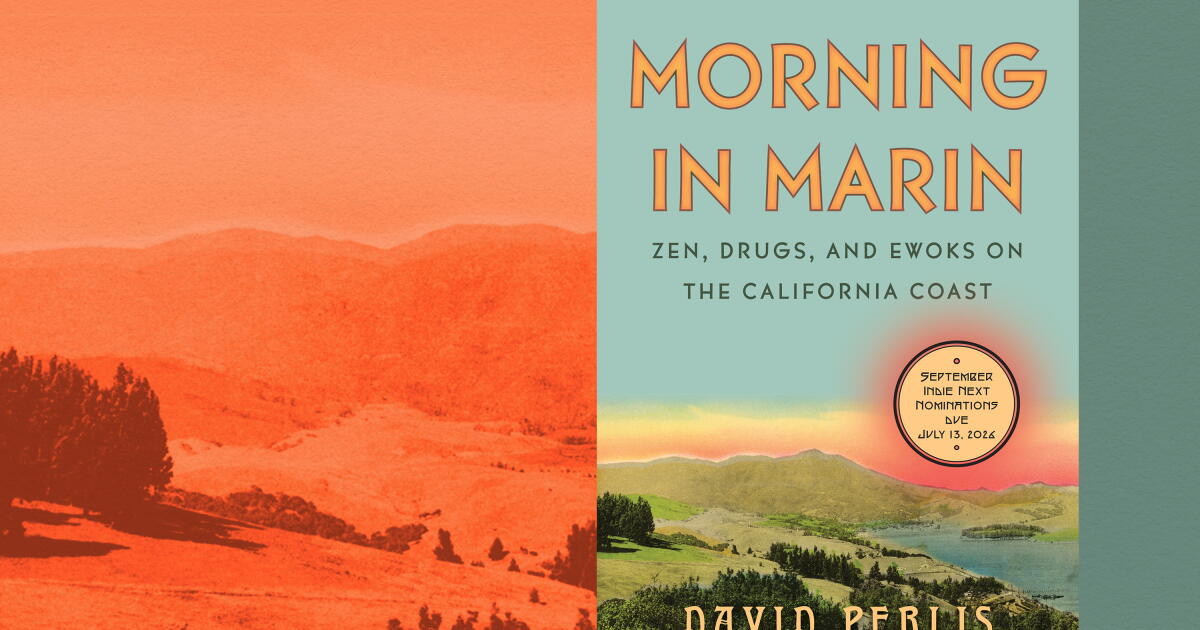
Set us as preferred Good vibes weren’t invented in Marin County.But reading “Morning in Marin,” David Perlis’ history of the place and its outsize cultural influence for much of the 20th century, you get the sense it served as America’s leading countercultural way station.Book ReviewMorning in MarinBy David Perlis Heyday Books: 384 pages, $35If you buy books linked on our site, The Times may earn a commission from Bookshop.org, whose fees support independent bookstores.Hosts of spiritual-minded sorts called it home: Alan Watts popularized Zen Buddhism in the ’60s, alongside poets Gary Snyder and Kenneth Rexroth.
Francis Ford Coppola decamped there to write his script for “The Godfather,” and it’s where his compatriot George Lucas conjured up the “Star Wars” universe.(The cuddly Ewoks in “Return of the Jedi” were named after the region’s Miwok tribe.) Jack Kerouac sought enlightenment there; his compatriot Neal Cassady was imprisoned there, in San Quentin.
It was the Grateful Dead’s retreat, Robin Williams’ launchpad, and the solid ground upon which Philip K.Dick questioned reality.Why all these people, in this place, at that time? Perlis, an artist, radio host and Marin native, doesn’t strive for sociological or demographic explanations.
His strategy is to sinuously move from moment to moment, artist to artist, as if in one continuous tracking shot, pausing only for a moment to catch some of the interesting characters he spots along the way.Over there, film critic Pauline Kael; and there, poet and sitcom star Suzanne Somers; and look, there’s bar-band singer Hugh Cregg, who’ll eventually use the stage name Huey Lewis.Still, Perlis breaks the flow just enough to offer a few reasons why the region became America’s affluent bohemia.
It is, of course, gobstoppingly gorgeous, with Mount Ta...