


As world braces for 'super' El Nio, research suggests global warming has increased its punch
This is read by an automated voice.Please report any issues or inconsistencies here.
See more from the L.A.Times in Google Search.
Set us as preferred For decades, scientists have struggled to understand the potential link between global warming and El Niño — and whether human activity is making the already powerful climate phenomenon even more extreme and disruptive.Evidence of a connection has remained elusive however, as El Niño is notoriously variable, making it difficult to distinguish long-term changes from its natural ebb and flow.
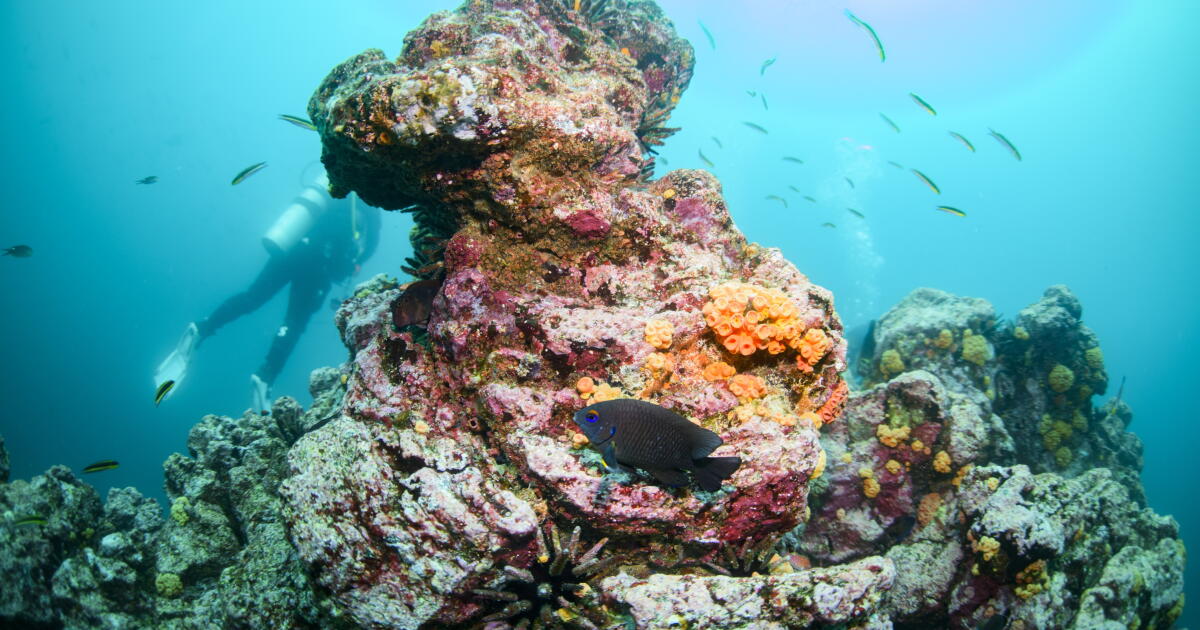
But now — as this year’s “super” El Niño gains strength — some researchers say they are getting closer to unraveling the mystery.A study published recently in the journal Science examines temperature data from more than 900 years of coral records from the Galápagos, and suggests that El Niños have become much stronger since people started warming the planet through fossil fuel emissions.“Prior to the Industrial era, we don’t see evidence for periods where the El Niño system is as strong as it is in the most recent decades,” said Julia Cole, a paleoclimatologist at the University of Michigan and the study’s lead author.
The swings between warm and cold conditions that define El Niño “were much stronger in the last 40 to 50 years than they were prior to warming.” California A “super” El Niño is now 95% likely to develop this year as the climate pattern gains dramatic strength in the Pacific Ocean — leaving officials across California and beyond bracing for a wet and potentially destructive winter.The research arrives as experts and officials warn that the current El Niño, which began forming in June, is shaping up to be the strongest ever experienced by a considerable margin.It is developing faster than the previous historic “super” El Niños of 1997-98 and 2015-16, and is already on track to far exceed historic temperature thresholds.
On Thursday, the World Meteorological So...