


A father and son drive trash trucks in Southern California. One has built a life, the other feels stuck
This is read by an automated voice.Please report any issues or inconsistencies here.
See more from the L.A.Times in Google Search.
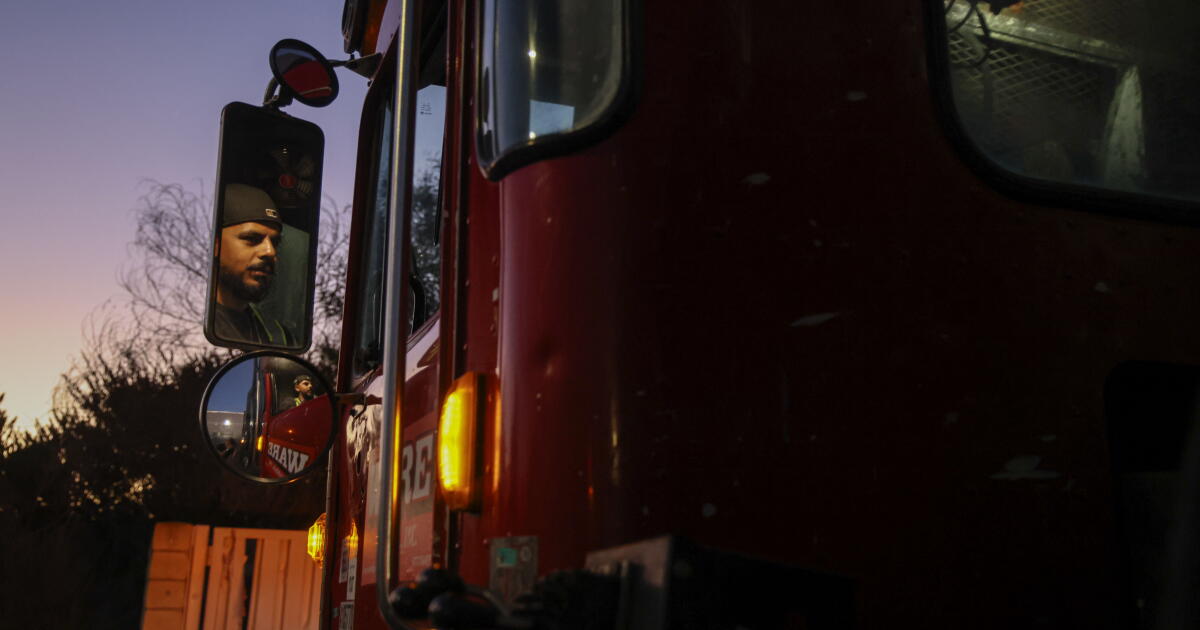
Set us as preferred ESCONDIDO, Calif. — At 4 o’clock on a Thursday morning, Salomon Olea grabbed a packed lunch of a ham-and- cheese torta and a white peach, kissed his wife goodbye and left the home in Escondido he’s owned for nearly 30 years.He drove five minutes to a small apartment complex to pick up his son, Angel, whose own three children were still asleep.The men then drove another half hour in silence, the head beams of their car the only lights on otherwise deserted streets.The Olea men both drive commercial trash trucks for a private waste company.
They spend 12 hours a day navigating the same route through the northern suburbs of San Diego, where they unload recycling and trash bins from schools, restaurants, convenience stores and, in one case, a church.It’s exhausting work, but for the older generation of truck drivers, which includes Salomon, 55, it has meant a stable life.They have been able to buy homes and raise families in safe neighborhoods in Southern California — all on a trashman’s paycheck.For a time, these kinds of working-class jobs, or jobs that demand manual labor, were a route to the American dream of homeownership.Between 1980 and 1990, men without college degrees saw their incomes rise relative to the average U.S.
worker.Around the same decade, more than two-thirds of construction workers and mechanics owned homes.
But since then, wages have fallen, home prices have soared and fewer than half of people working manual labor jobs own a home.That includes Salomon’s son.Angel’s been working to save for a down payment on a house, but, at 33 years old, is renting an apartment.
He got a job because he saw the kind of life his father could afford, but at the truck yard he talks to the drivers his age about feeling left behind.“We all came here almost expecting what our fathers accom...