


How AI could transform cancer treatment and medicine
Researchers are now using artificial intelligence to help tailor cancer treatments and uncover overlooked uses for existing medicines.Other systems can search microscopic images or identify subtle biological signals that people could easily miss.Some of these technologies have already helped patients.
Others remain in clinical trials or research labs, so we need to be careful about separating promising science from treatments you can actually receive today.Still, what researchers are accomplishing would have been difficult to imagine a few years ago.Here's where AI is already changing medicine and what you should know before trusting it with your health.NEW! Join our upcoming CyberGuy LIVE class: Get Better Healthcare With AIIn this free live online class, Kurt "CyberGuy" Knutsson will show you five practical ways AI can help you take a more active role in your healthcare.
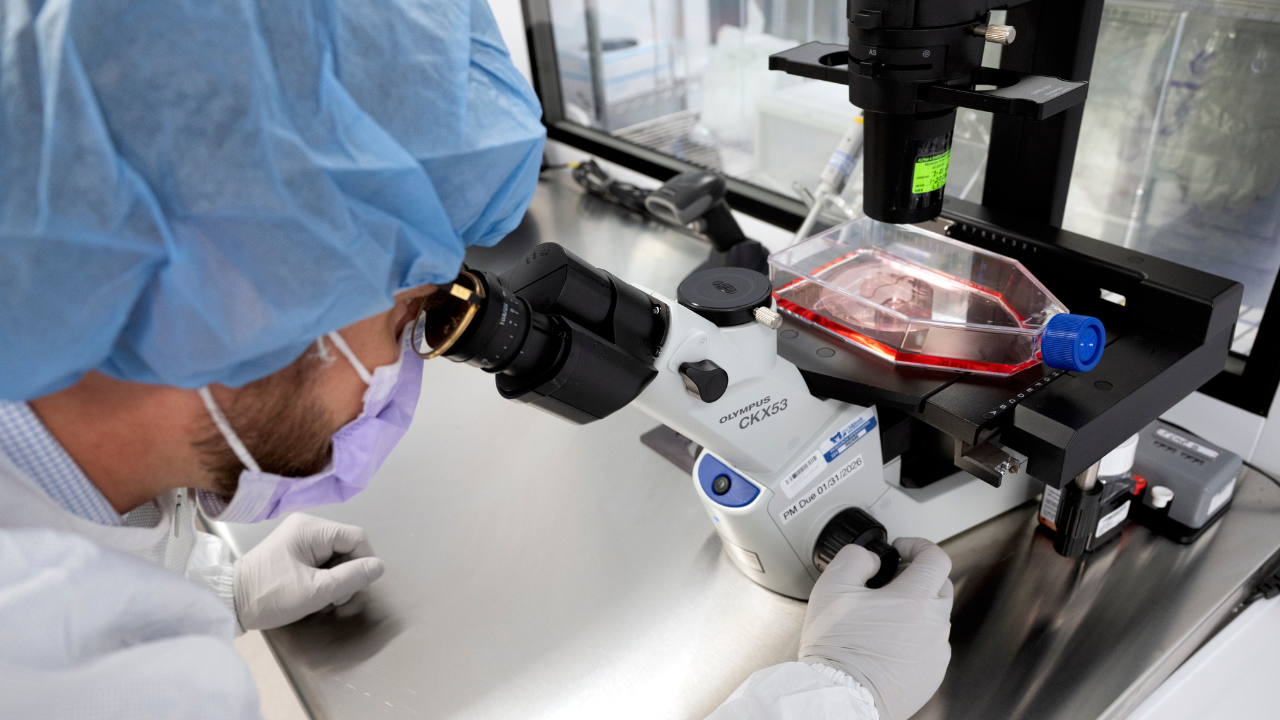
You’ll learn how to organize your health history, remember important appointment details, understand complicated medical information, research prescriptions and prepare questions for your next doctor’s visit.No technical experience is needed.Register for free now at CyberGuyLive.comCANCER VACCINE PREVENTS DEADLY MELANOMA FROM RETURNING OR SPREADING IN LANDMARK TRIALResearchers are combining AI with laboratory tools to spot biological clues and test treatments more efficiently.
(Marvin Joseph/The Washington Post/Getty Images)One of the biggest recent developments comes from Moderna and Merck.On Aug.
19, the companies announced positive topline results from a Phase 3 melanoma trial.The study tested intismeran autogene, also known as V940 or mRNA-4157, alongside Keytruda.
The trial enrolled 1,137 people with high-risk melanoma that surgeons had completely removed.The combination met its primary endpoint for recurrence-free survival.
It also met a key secondary endpoint measuring distant metastasis-free survival.Merck and Moderna said this was the first positive Phase 3 readout for an indivi...