


Tiny krill are turning up in deep-sea hydrothermal vents. Scientists want to know why
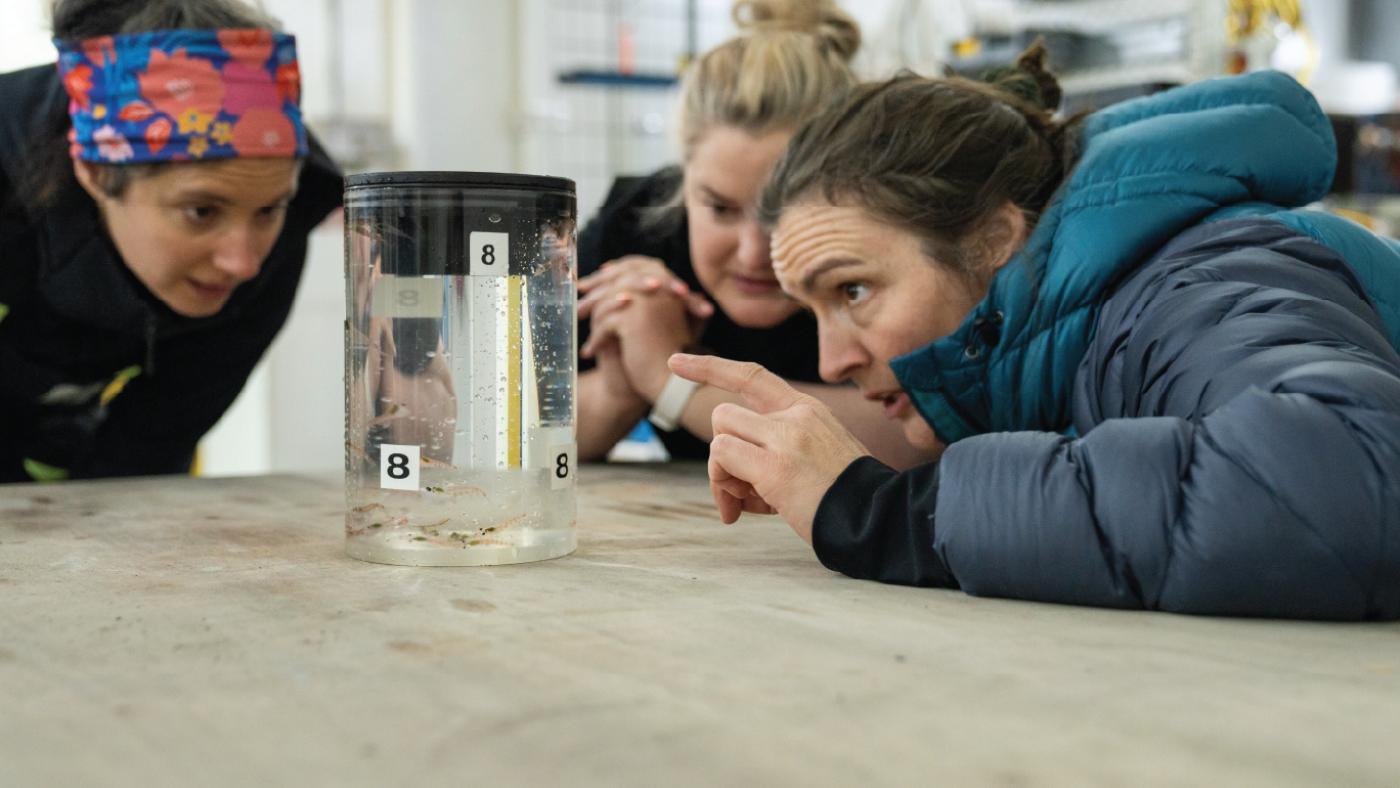
Antarctic krill are the lifeblood of the South Pole.These shrimp-like crustaceans serve as a crucial food source for penguins, seals, and whales."Most of them feed on Antarctic krill," says Kim Bernard, a biological oceanographer at Oregon State University and a National Geographic explorer.
"And if they don't, they feed on something else that feeds directly on Antarctic krill.So they are absolutely fundamental to the functioning and health of that ecosystem."For new discoveries, everyday mysteries, and the science behind the headlines, follow NPR’s Short Wave podcast.Krill also recycle nutrients that allow tiny algae called phytoplankton to grow.
In addition, krill are fished in large numbers to produce aquaculture feed and omega-3 fatty acids as dietary supplements.But experts say this rich habitat in the Southern Ocean at the bottom of the world is shifting rapidly due to climate change."It's one of the most rapidly warming areas on the planet," says Bernard.
"And that's cascading through the food web and affecting the Antarctic krill population."Now, Bernard and her colleagues report in the journal Communications Biology the discovery of a surprising habitat for the krill — hydrothermal vents, which are basically hot springs on the ocean floor.Characterizing the importance of this habitat, especially for reproductive females, may help inform how to safeguard these crucial crustaceans.Antarctic krill tend to be located in the upper layer of the ocean.
"They can be found forming swarms and layers at the surface," says Bernard."You can photograph them from airplanes."They can also be found at the sea floor at different depths, but she says these deeper observations have been sparse and anecdotal.Then, in late 2024, Bernard was in Bransfield Strait off the Antarctic Peninsula while aboard the National Geographic and Rolex Perpetual Planet Southern Ocean Expedition in collaboration with the Schmidt Ocean Institute.One of her colleagues, UCLA benthic ecologis...