


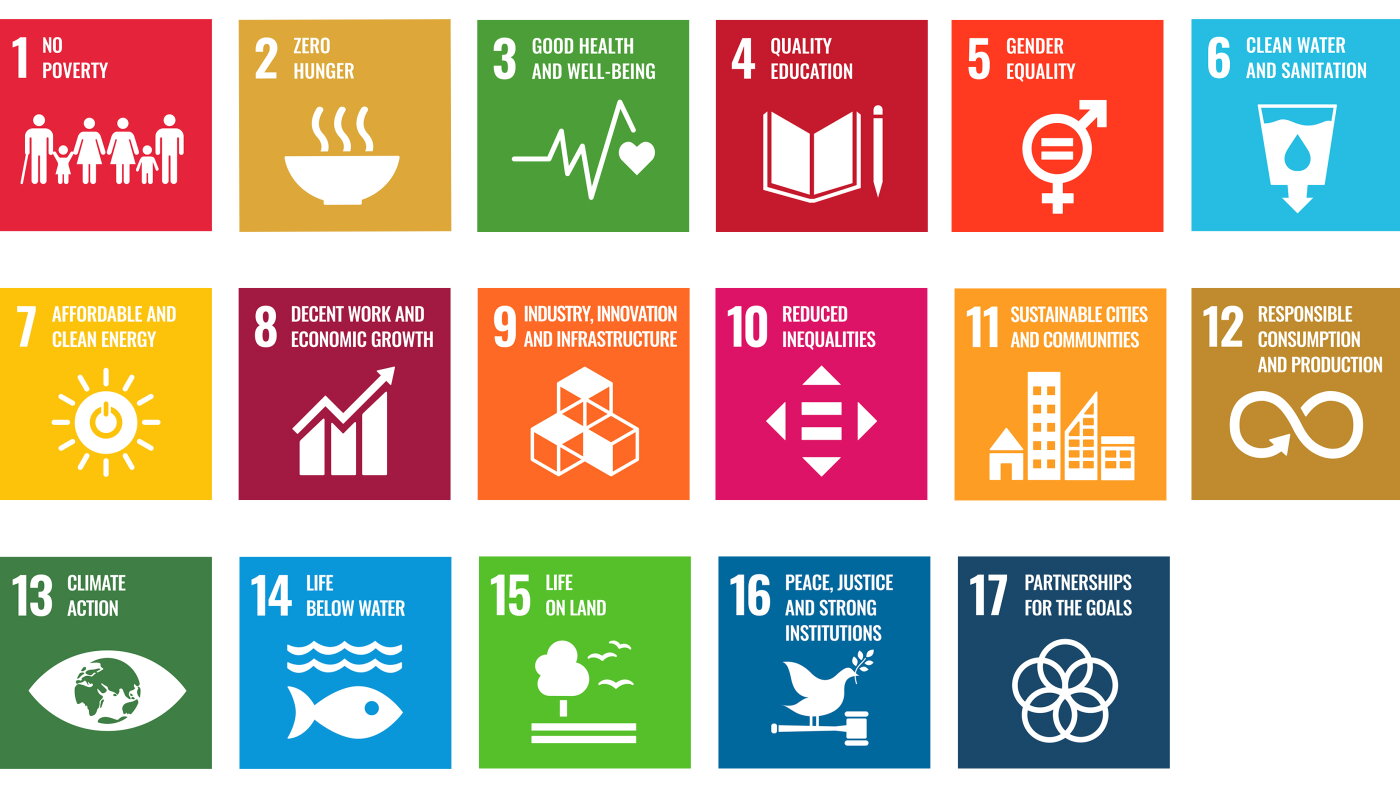
By any standards, it was an eye-popping to-do list.No poverty.Zero hunger.
Quality education for all.Gender equality.
Clean water and sanitation.Reduced inequalities.
Peace, justice and strong Institutions.In September 2015, these were just some of the 17 goals that global leaders set for themselves to accomplish in the next fifteen years.The United Nations' Sustainable Development Goals, broken down into 169 targets, were meant to transform the world by 2030.A decade later, that deadline is closing in, but the world is nowhere near achieving much of what it promised.
According to the U.N.'slatest assessment report"These numbers raise big questions.Were these goals just too unrealistic and ambitious in the first place? Can the world expect to tick some of those boxes before the deadline? And if none of the goals are met, is the enterprise a failure?While none of the SDGs goals are literally impossible to achieve, many require rates of progress that would be "historically unprecedented" — far beyond what even the fastest-improving countries have previously achieved, says Charles Kenny, senior fellow at the Center for Global Development, a think-tank in Washington, D.C.
"In order to meet them, we'd have to see incredibly dramatic global policy change," he says.Zero poverty, for instance, is a great goal to have, he says."There is no moral excuse for [extreme poverty] at all.
On the other hand, given the global system and political realities, the idea that we were going to get to zero by 2030 was really optimistic."There's no point in blaming the goal, experts say, when the actions of the global community don't match up."I don't want to let governments off the hook," Kenny says.
"These SDGs were agreements between the planet's leaders." But he points out: "the heads of countries that signed these goals then went back home and didn't do any of the things that might have helped speed it up."Wealthier countries could have accelerated progress by increasing deve...