


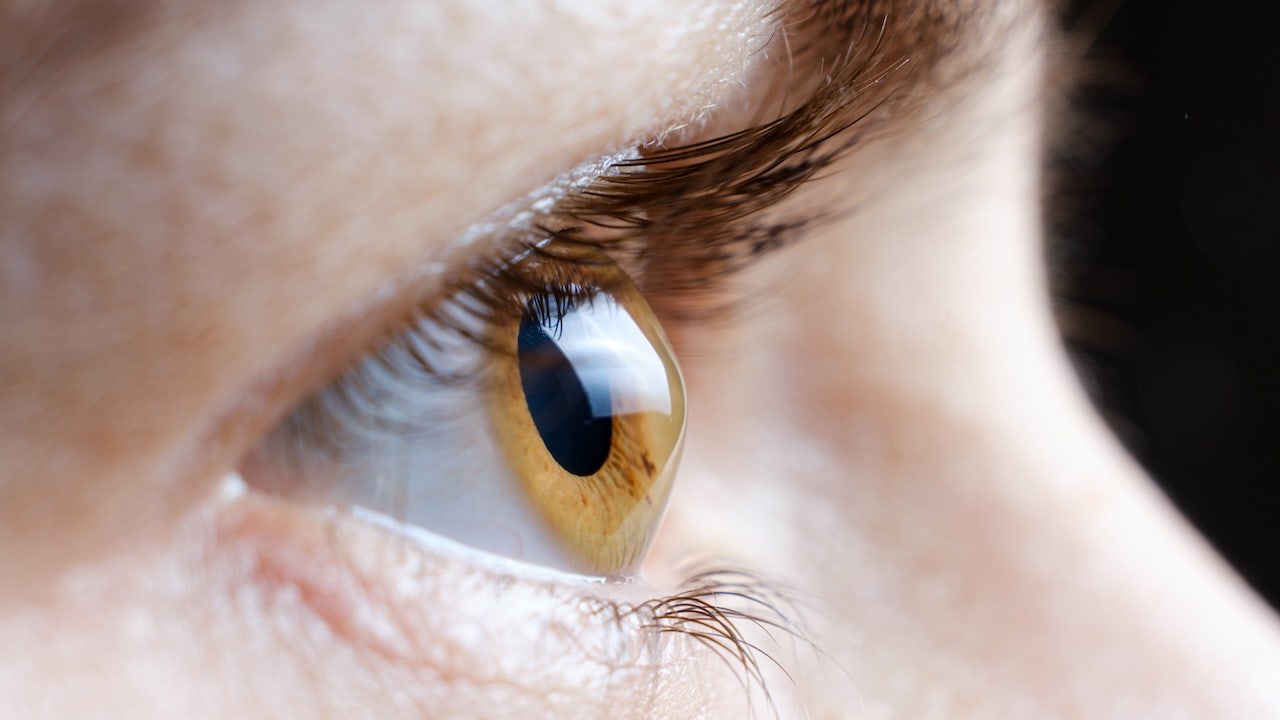
Hundreds of consumers are suing the manufacturers of GLP-1 receptor agonists, alleging the medications may increase the risk of a rare form of vision loss.The patients behind the lawsuits allege that the medications caused NAION (nonarteritic anterior ischemic optic neuropathy), according to The Wall Street Journal.NAION is a rare eye condition in which blood flow to the optic nerve is suddenly reduced, leading to sudden vision loss.POPULAR GLP-1 WEIGHT-LOSS DRUGS LINKED TO POTENTIALLY DEADLY BRAIN DISORDERIt is the most common cause of acute optic nerve injury in adults over age 50, according to the American Academy of Ophthalmology and the National Eye Institute, which describes it as an "eye stroke.""The problem with NAION is there's no treatment," Dr.Douglas Lazzaro, an ophthalmologist at NYU Langone Health, told Fox News Digital.
"So it can cause some very profound vision loss."Hundreds of consumers are suing the manufacturers of GLP-1 receptor agonists, alleging the medications may increase the risk of a rare form of vision loss.(iStock)The companies in question, Novo Nordisk (maker of Ozempic and Wegovy) and Eli Lilly (maker of Mounjaro and Zepbound), have disputed the allegations, according to the WSJ report.POPULAR ERECTILE DYSFUNCTION DRUG LINKED TO EYE DISEASE THAT CAN CAUSE IRREVERSIBLE VISION LOSSNovo Nordisk called the lawsuits meritless and pointed to company-funded research finding no increased risk of NAION with its drugs.
Eli Lilly said it continues to monitor safety data and maintained that current studies do not prove GLP-1 medications cause the condition.Fox News Digital reached out to the companies requesting comment.Most of the published research to date has examined semaglutide, rather than tirzepatide.In a data analysis of 37 million adults published in JAMA Ophthalmology in 2025, researchers found that people using semaglutide experienced a modest increase in NAION risk compared to people taking SGLT2 inhibitors, another class of diabetes...