


African pop was poised for a U.S. takeover. Can its stars finish the job?
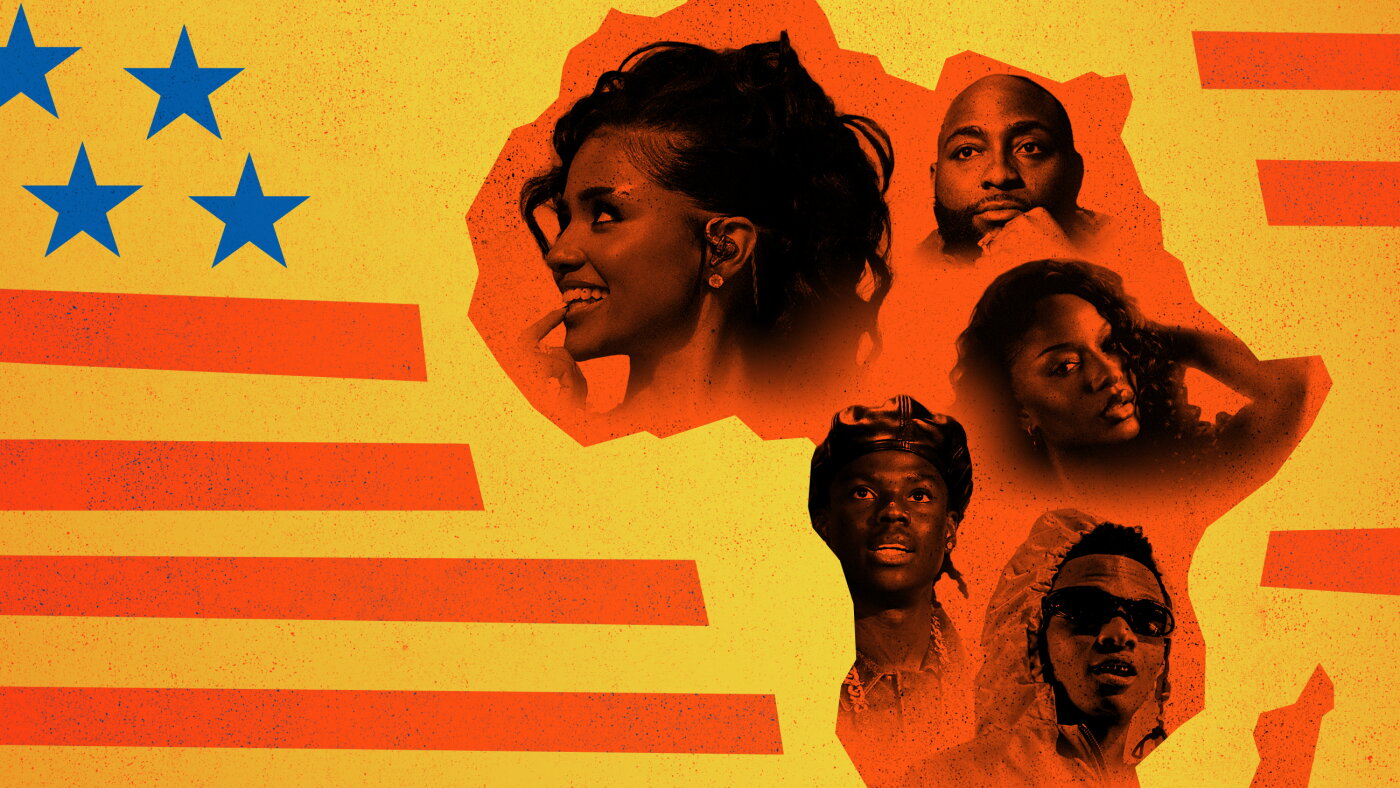
A few of the stars of African pop's recent westward expansion.Clockwise from top left: Tyla, Davido, Ayra Starr, Wizkid, Rema.
Photos by Patrick T.Fallon/Shotbycozyy/Axle Jozeph/Leon Neal/Theo Wargo/Getty Images/Illustration by Jackie Lay hide caption When the South African singer Tyla took the Grammy stage to accept the first-ever award for best African music performance in 2024, it felt as if the stars had finally aligned for pop music of the continent.
The movement had produced an it-girl avatar who seemed to be blossoming into a megastar, and who stood as a spark plug for broader expansionist ambitions."I'd never thought I'd say I'm a Grammy winner at 22 years old," Tyla said, before introducing herself to those in the crowd who might not have heard of her.
But she closed her remarks with a bird's-eye view of the moment: "Thank you to the Recording Academy for this category.It's so important."If the establishment of a space specifically for African music could be read as long-overdue institutional acceptance for the music of the region, the inaugural winner of the trophy was telling a different story about how and why it was brought into being.
Her competitors for the award were all products of Nigeria — the country that, in the decade prior, had set an international baseline for African pop music under the contested banner Afrobeats.South Africa's contribution to the continental pop sound, amapiano, was steadily being integrated into its Afrobeats counterpart, and now Tyla stood as a shining beacon of that synergy.
It may have been an unfair expectation, but her win cast her as a weather vane for the music's sound and status.After a two-year buildup that included a race controversy, a Coke commercial, several Met Gala looks and a second Grammy in the category she'd christened, Tyla returned this summer with A*Pop, the follow-up to h...