


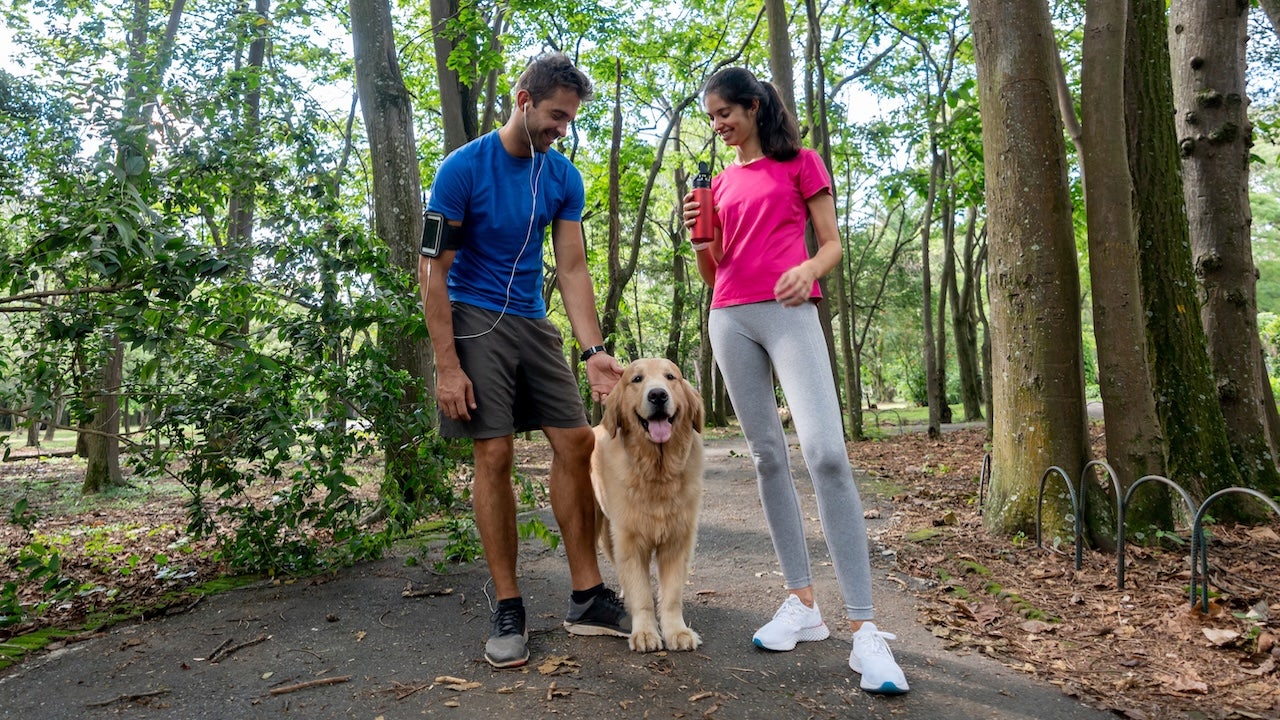
The most effective strategy for prolonging life might be at the end of a leash.Dan Buettner, longevity expert and founder of the organization Blue Zones in Minneapolis, Minnesota, highlighted a growing body of scientific evidence showing that owning a dog is strongly associated with a reduced risk of early death, particularly from cardiovascular disease."The best thing you can do to add years to your life may surprise you.Get a dog!" Buettner advised during a recent episode of "The Dan Buettner Podcast." "Research shows that dog owners live longer, suffer fewer heart attacks and experience less loneliness.
Why? Because a dog forces you to walk every day, gives you a purpose and provides unconditional love."LEADING ONCOLOGIST REVEALS 6 HABITS THAT COULD PROMOTE LONGEVITY AND REDUCE YOUR RISK OF CHRONIC ILLNESSDog ownership is associated with a 24% reduction in all-cause mortality for the general population compared to non-owners, according to research published by the American Heart Association in its journal Circulation."The best thing you can do to add years to your life may surprise you.Get a dog!" a longevity expert advised.
(iStock)For individuals who have already suffered a major cardiac event, such as a heart attack or stroke, living with a dog reduced the risk of death by up to 33%.Epidemiologists and psychologists point to three reasons why canine companions may extend human lifespans.CLICK HERE FOR MORE HEALTH STORIESStudies published in BMC Public Health indicate that dog owners walk an average of 22 more minutes per day than non-owners, making them significantly more likely to meet standard weekly physical activity guidelines.Dog owners average an extra 22 minutes of daily walking compared to non-owners, making them more likely to meet standard recommended exercise benchmarks.(iStock)Interacting with a pet lowers levels of cortisol — the body’s primary stress hormone —while boosting oxytocin, dopamine and serotonin.
A 12-year Swedish study analyz...