


Commentary: Killer mosquitoes, rabid bats and bear attacks: Climate change is making eco-horror feel real
This is read by an automated voice.Please report any issues or inconsistencies here.
See more from the L.A.Times in Google Search.
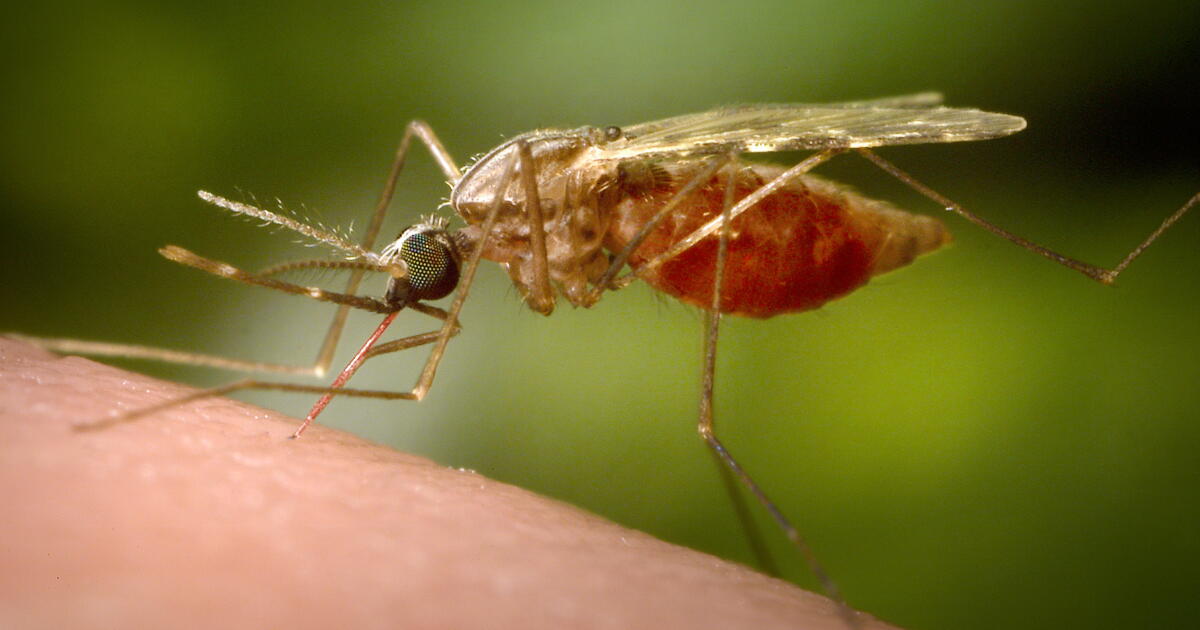
Set us as preferred Rabid bats and rattlesnakes.Mosquitoes carrying West Nile virus and dengue fever.
Increased bear and mountain lion attacks.A summer full of tragic hiker deaths, many brought on by extreme heat.
The news cycle has begun to resemble all those “nature rebels” movies that terrorized my childhood.And perhaps with good reason.This should not be read as a disrespect for, or diminishment of, the very real harm caused by rabies, insect-born illness, wild animals or accidents in various national parks.Fear of the wilderness and its potentially lethal native creatures is hardwired into the human brain and fueled tales of haunted forests and murderous animals throughout history.In the modern era, however, those fears reflected the anxieties of the time.
The 1950s gave us the nuclear monsters of “Godzilla,” “Them!,” “The Deadly Mantis” and “The Beast From 20,000 Fathoms.” In 1963, Alfred Hitchcock’s adaptation of Daphne du Maurier’s “The Birds” made ordinary creatures the menace, reminding us that humans were an outnumbered species.Then came the ‘70s and a spate of often schlocky but still unsettling films that married the two notions.”Day of the Animals,” “The Food of the Gods,” “Prophecy,” “Frog,” “Squirm” and “The Swarm” littered cinematic victims of various types of fauna driven mad by a thinning ozone layer, toxic waste or generally mysterious seepage.
California Experts say recent intense and usual humidity could have fueled the rise in West Nile virus cases in Southern California.Some of these were an obvious effort to capitalize on the enormous success of “Jaws,” an eco-horror masterpiece in which the predator appeared to be driven by personal malevolence rather than the product of human folly.But many were a reflection of the environmental movement...