


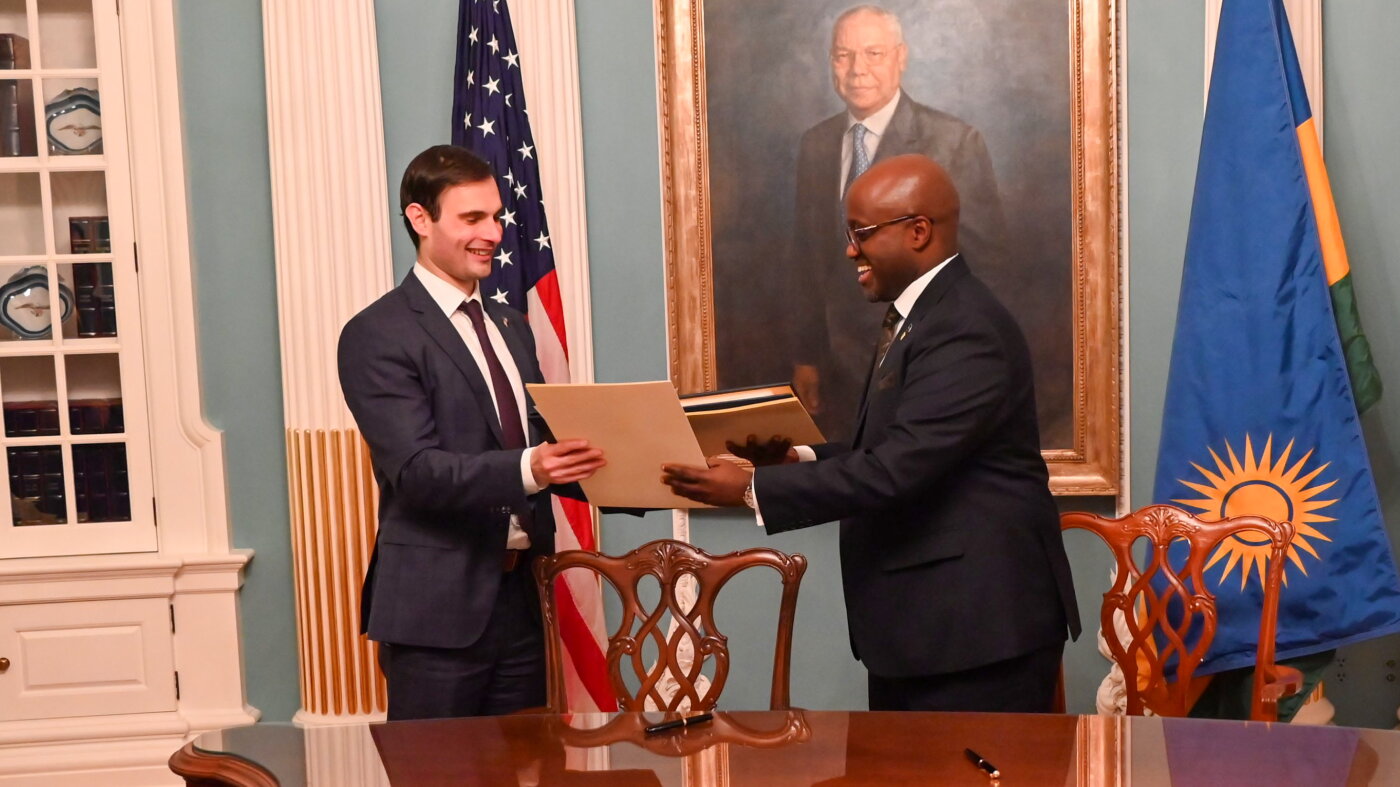
The Trump administration says that October 1 marks the dawn of a new era in global healthcare.It's the age of the "America First Global Health Strategy." And that means rewriting the rules for funding healthcare in low- and middle-income countries.A key part of the "America First" strategy is the idea that the U.S.
should not hand out billions of dollars for health and development programs without reaping concrete benefits — access to local minerals, for example — and without a commitment from governments to spend their own money.To be eligible for U.S.funds, each country is asked to sign a Memorandum of Understanding detailing the amount of money the U.S.
will invest as well as the country's financial pledge.The administration says the requirement that countries chip in will make them more self-reliant and eventually less dependent on U.S.assistance.It's an idea that has merit, according to Jocilyn Estes, a policy analyst at the Center for Global Development, a think tank in Washington, D.C.
But she wonders if the plan is being rolled out too rapidly.As for the nations involved, reaction has been mixed.
Here's a look at how this new arrangement is supposed to work — and what potential obstacles lie ahead.The U.S.has been — and still is — the largest donor for global health programs, despite the Trump administration's drastic cuts to funding in 2025 and its dismantling of America's premier aid agency USAID.Previous administrations viewed global health spending as an important way to build strong relationships and influence with recipient countries and as a key element of U.S.
soft power — using donations to incur good will."Historically, the focus has been primarily that everybody benefits.That better health and better development in low and middle-income country regions lifts all boats, and the U.S.
benefits from that," says Tom Bollyky, director of the global health program at the Council on Foreign Relations.Here's how the State Department descr...