


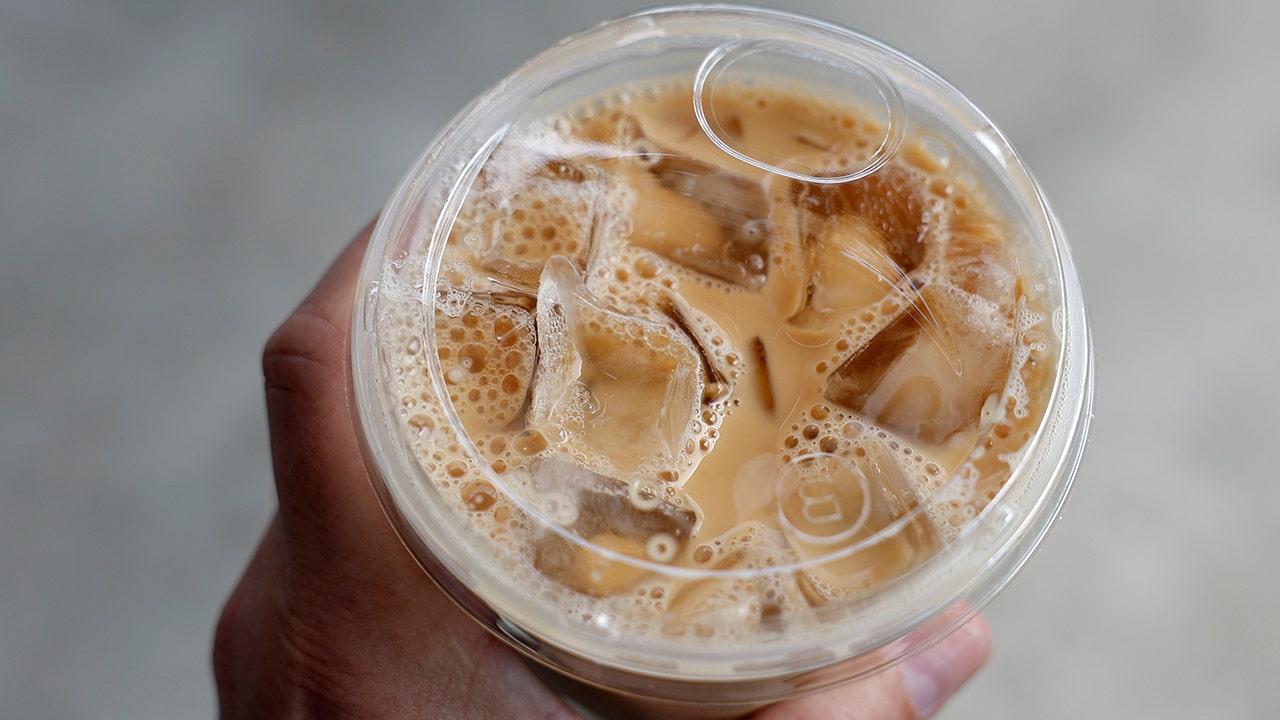
Starbucks is facing a lawsuit over its "sugar-free" protein drinks, with consumers alleging some contain nearly as much sugar as a candy bar.The proposed class-action lawsuit, filed Oct.2 in federal court in Washington state, targets eight hot and iced Starbucks protein beverages, including its Sugar-Free Vanilla Protein Latte, Sugar-Free Caramel Protein Latte and protein matcha drinks.The beverages contain between 13 and 21 grams of sugar in a venti-sized serving, according to the lawsuit, which reportedly argues that "no reasonable consumer" would expect a drink called "sugar-free" to contain that amount.POPULAR PANTRY PRODUCT CAN'T LEGALLY BE CALLED PEANUT BUTTER — HERE'S WHYThe suit was brought by three consumers who bought the drinks in California, New York and Washington.
It asks the court to stop Starbucks from using "sugar-free" to describe products that contain sugar.Starbucks is facing a proposed class-action lawsuit over its "sugar-free" protein drinks.(Jeffrey Greenberg/Universal Images Group via Getty Images)Starbucks is disputing the allegations."We believe these claims have no merit," a Starbucks spokesperson told Fox News Digital.GROCERY SHOPPERS MAY BE RELYING ON A 'MISLEADING' CLUE WHEN CHOOSING HEALTHY FOODS"Starbucks has consistently and clearly provided information about its protein beverages, sugar-free options, customization choices, and nutritional content across product announcements, menus, marketing materials, Starbucks.com and the Starbucks app, and we intend to vigorously defend ourselves in this matter."Starbucks said it uses sugar-free syrups to flavor the protein beverages at the center of the lawsuit.
(Waldo Swiegers/Bloomberg via Getty Images)The company says the sugar in the drinks comes naturally from protein-boosted milk rather than added sugar, and that sugar-free syrups are used for flavoring.Nicolette Pace, a New York-based registered dietitian and certified diabetes educator, noted that lactose in milk is a naturally occu...