


Review: Restored and fully extended, 'The Devils' is now honed to its sharpest provocation
This is read by an automated voice.Please report any issues or inconsistencies here.
See more from the L.A.Times in Google Search.
Set us as preferred For over five decades, there have existed two types of movie lover: those who have been at least a little corrupted by Ken Russell’s 1971 iconoclasterpiece “The Devils” and those who haven’t seen it.With the release of a newly restored director’s cut, which premiered in Cannes this year to a reception that begs to be described as orgiastic, ejaculatory, lubricious or orgasmic — take your pick — the unjustly deprived inhabitants of the latter category get to be inducted into the former.Some are going to hate it.
Some may affect a “can’t see what all the fuss is about” attitude — that is their right, as it is mine to simply not believe them.But some, witnessing what critic Judith Crist once referred to as a “grand fiesta for sadists and perverts” will find that abandoning themselves to its wantonly grotesque, profane imagery will feel like the giddiest liberation.
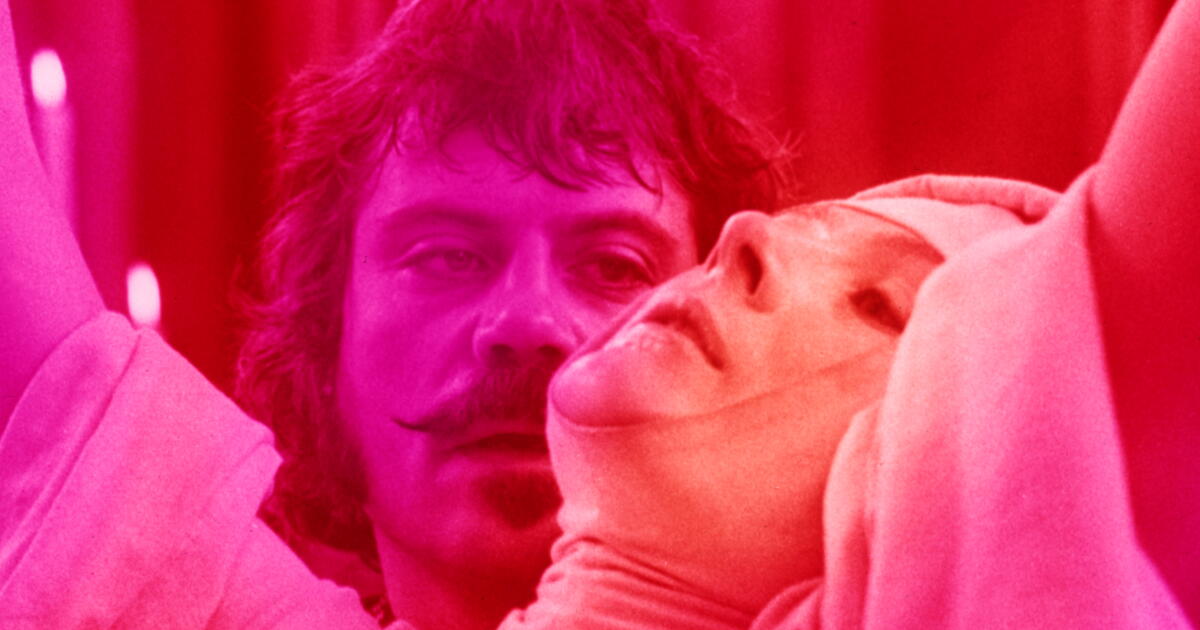
From what, exactly? The tyranny of tastefulness? The despotism of decency? Whatever it is, blasphemy loves company, so welcome, sickos!Several honey-roastings beyond hammy and a hundred rows of tents beyond camp, “The Devils” tells the story of a real event: the 1634 heresy trial and execution of Urbain Grandier (Oliver Reed), a libertine Catholic priest, who fell afoul of the religious and political establishments when defending the independence of the Protestant-friendly fortified city of Loudon in western France.The torrid tale involves an order of Ursuline nuns led by hunchbacked Sister Jeanne (Vanessa Redgrave) who accuse Grandier of witchcraft, which provides wily Cardinal Richelieu (Christopher Logue) and peevish Louis XIII (Graham Armitage) with the pretext for suppressing dissent.Aldous Huxley’s 1952 nonfiction account “The Devils of Loudon,” and John Whiting’s 1960 play “The Devils” both formed t...