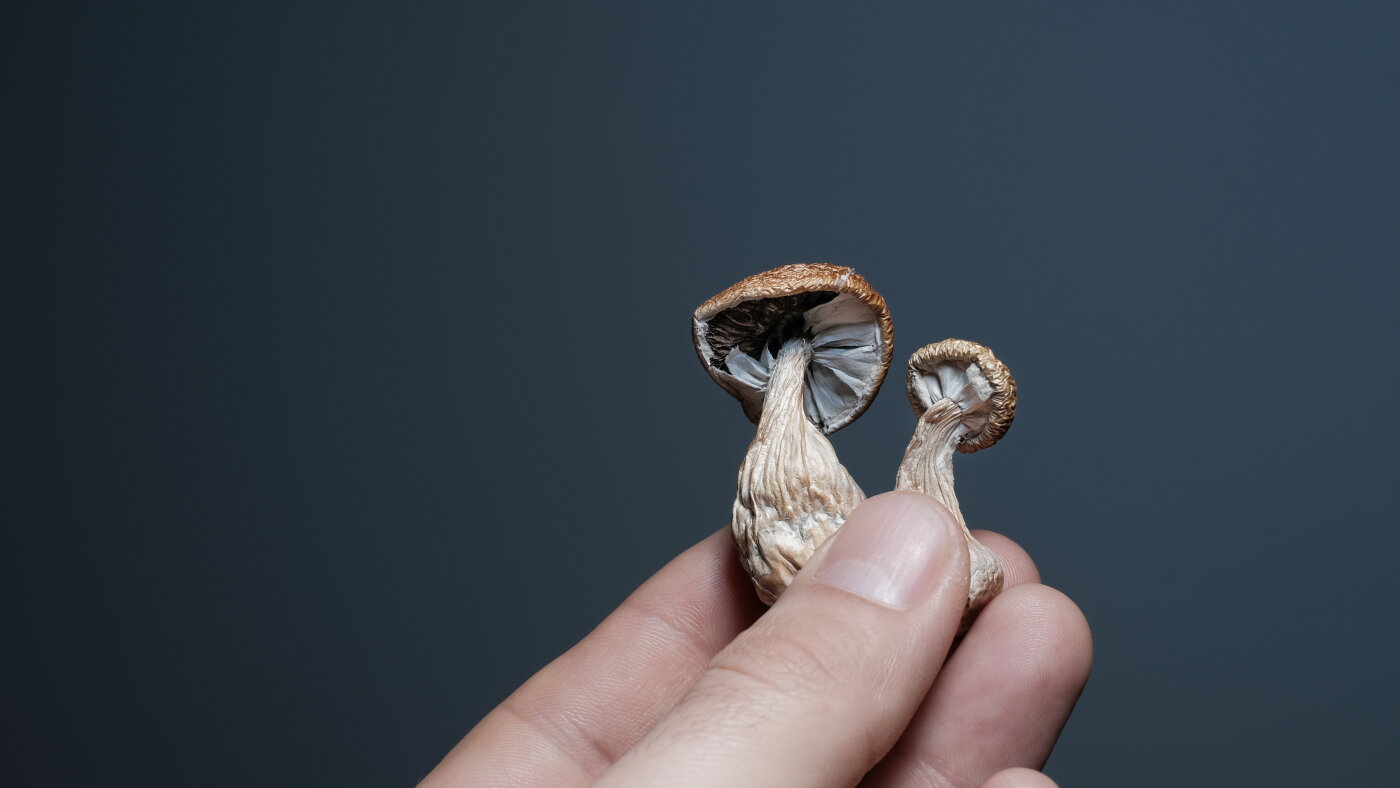
For stories on the science of healthy living, subscribe to NPR's Health newsletter. Efforts to understand how classic psychedelics like psilocybin and LSD summon powerful changes in consciousness tend to focus on what's happening inside our head.That's because these compounds bind tightly to serotonin receptors that densely populate certain structures of the brain, and a growing number of studies demonstrate they can exert long-lasting changes in mental health and well-being for people with a range of psychiatric conditions.Increasingly researchers have started to probe how these drugs elicit other physiological changes, given that many cells and tissues beyond the brain possess those same receptors, known as 5-HT2A.Now, new research offers some of the first evidence in humans that psychedelics may also hold potential for combating diseases characterized by inflammation and immune dysregulation throughout the body.The data, published Wednesday in the medical journal JAMA Psychiatry, draws from a small pool of patients with Parkinson's disease, but it reflects what's been observed in lab studies with animal and cell models for years.
For certain diseases, psychedelics appear to combat inflammation and even help restore stressed mitochondria, the energy-producing factories of the cells.The team at the University of California, San Francisco, who conducted the study, used blood tests to measure five different signaling molecules involved in inflammation in participants, both before and after two sessions with psilocybin.The participants had significantly lower levels of inflammation following the treatments, compared to baseline, and those changes persisted a month after their final dose of psilocybin.The researchers also tracked a blood marker of mitochondrial stress.
Here, too, there were substantial improvements immediately after participants were given psilocybin, though not during the longer-term follow up."This gives us an initial biological signal to investig...