


The U.S.State Department has updated travel advisories for several Middle Eastern countries, warning of potential armed attacks by Iranian-backed Houthi forces and threats targeting Americans.Five countries — Iran, Iraq, Lebanon, Syria and Yemen — are listed under the department's highest advisory level, Level 4, which warns Americans not to travel.Eight others, including Israel, Qatar and the United Arab Emirates, are designated Level 3, urging travelers to reconsider their plans.AMERICANS WARNED OF KIDNAPPING, EXTORTION AS VIOLENT CRIME GRIPS PARTS OF TOURIST SPOTWhile the advisory levels largely remained unchanged, all 13 advisories were updated on Friday. The advisories cited recent attacks by Iranian-supported Houthis, including strikes on Riyadh's airport in Saudi Arabia and "other critical infrastructure," the department said.The U.S.
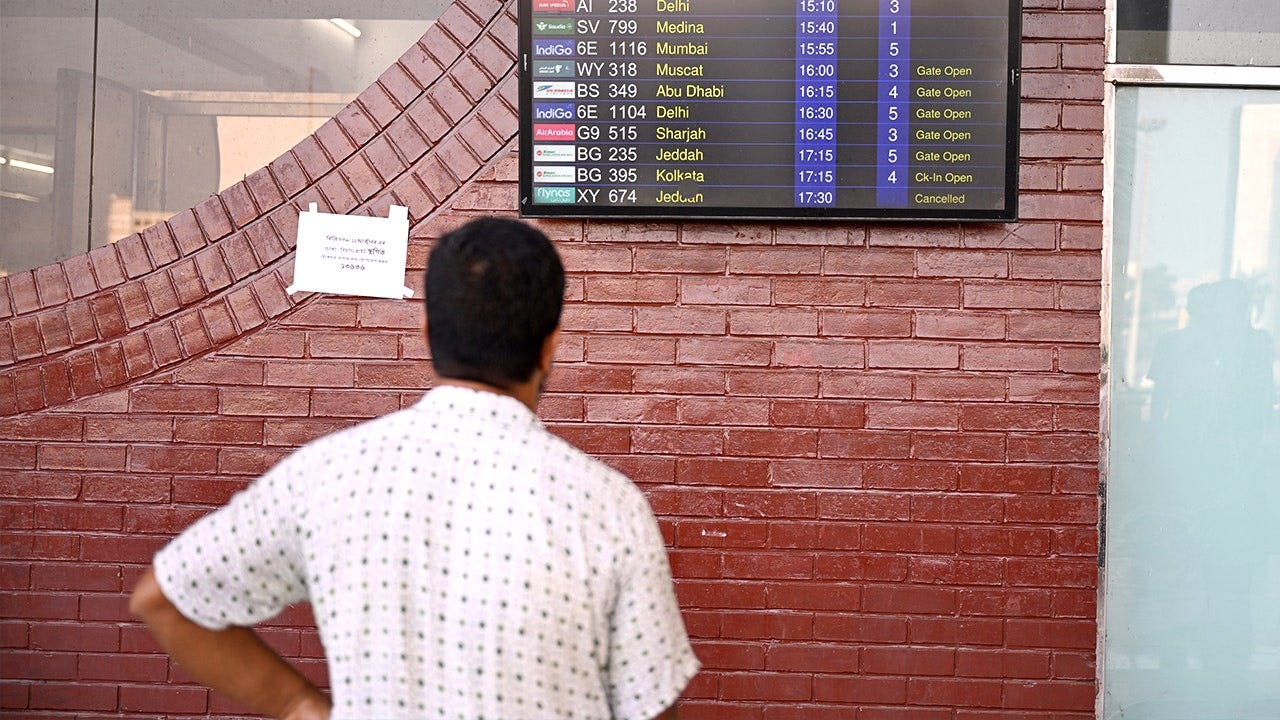
State Department has updated travel advisories for 13 Middle Eastern countries, warning Americans about escalating security threats and potential armed attacks by Iranian-backed Houthi forces.A man is seen looking at flights to Saudi Arabia above.
(Piyas Biswas/SOPA Images/LightRocket via Getty Images)The attacks have resulted in civilian deaths and widespread travel disruptions, with the State Department warning that the hostilities "have the potential to escalate rapidly beyond that immediate area."SEXUAL ASSAULTS AND SCAMS PLAGUE TOP VACATION HOT SPOT, PROMPTING URGENT ADVISORYAmericans traveling to the region also face additional risks, including health concerns in Iraq and Yemen, officials said.The State Department cited attacks on Riyadh's airport, seen above, and other critical infrastructure in Saudi Arabia as part of its updated travel warnings for the Middle East.(AFP via Getty Images)Kidnapping and hostage-taking were listed as additional concerns in Iran, Iraq, Lebanon, Syria and Yemen, according to the State Department.CLICK HERE TO SIGN UP FOR OUR LIFESTYLE NEWSLETTERCivil unrest was also cited as a risk in...