


Twenty years ago, American voters punished Republicans over an unpopular war in the Middle East.On Nov.
3, they did it again.In 2006, it was Iraq.This time, it was Iran.
Democrats captured both houses of Congress, flipping at least seven Senate seats, including Texas, Ohio, Kansas and Iowa.Vice President JD Vance put the blame squarely where President Donald Trump would rather not have it: on the war his administration launched eight months ago.I remember the earlier debacle.
As a Pentagon strategist during the run-up to the 2003 Iraq invasion, I attended meetings with Defense Secretary Donald Rumsfeld and senior military leaders.I questioned whether the administration had adequately considered what would follow Iraqi dictator Saddam Hussein’s overthrow.HUGH HEWITT: THE GHOSTS OF 2006 ARE STIRRING — BUT WILL THEY CATCH THE GOP?Now Trump faces a reckoning of his own.
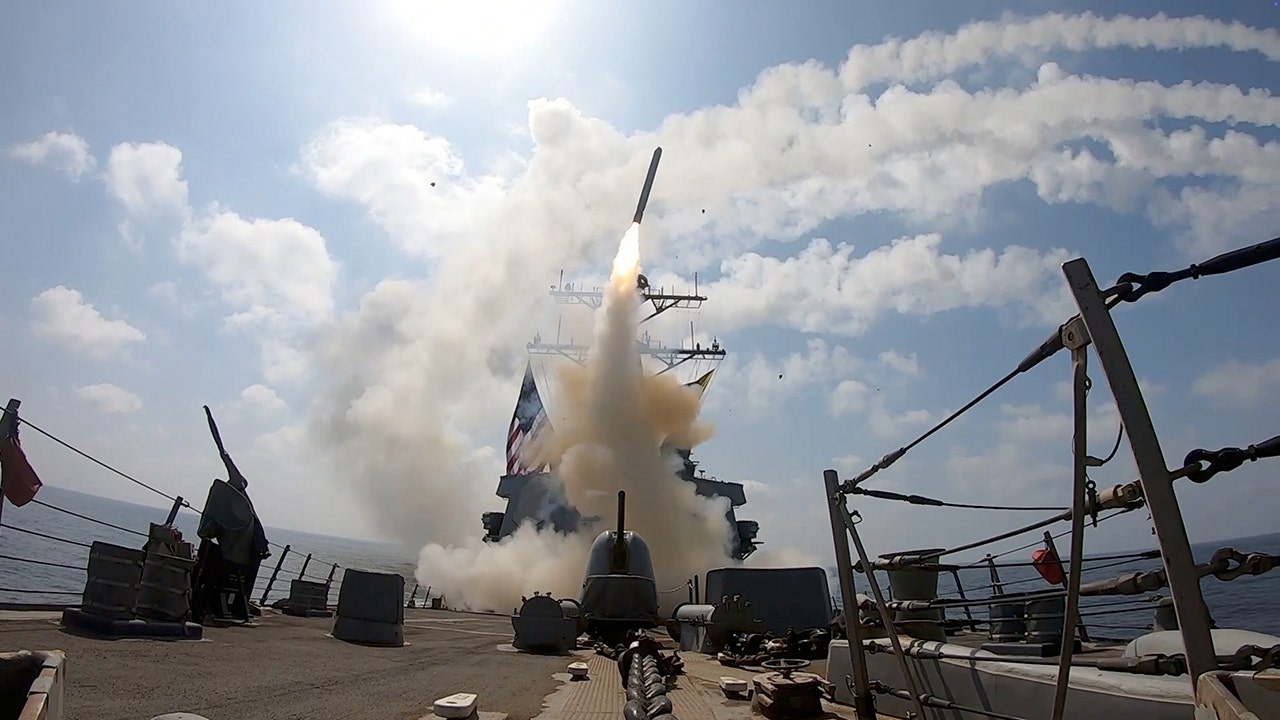
American forces have inflicted tremendous damage on Iran’s military.But military success does not guarantee strategic success, especially when the American people lose confidence in the mission.This image from video provided by U.S.
Central Command shows a missile being launched from a U.S.Navy ship in support of Operation Epic Fury on Saturday, Feb.
28, 2026.(U.S.
Central Command via AP)Vance was blunt in his Nov.4 assessment: "The reason we lost is the war." He dared anyone to argue that "losing the Senate for the next 6 years was worth it."VANCE'S SCATHING IRAN WAR POSTMORTEM PUTS POTENTIAL 2028 GOP SHOWDOWN IN FOCUS: 'EVERYONE KNOWS WHY'Trump acknowledged that the war contributed to Republican losses but defended his decision: "I would have done nothing differently." He added, "You can’t let Iran have a nuclear weapon."He is right about that.
But the election raises a question his administration has yet to answer: What has eight months of fighting accomplished that will last?TRUMP IS DISMANTLING IRAN’S WAR MACHINE, BUT AMERICA STILL NEEDS AN ENDGAMEI have consistently argued that a ...