


Commentary: How Blue Lights turns Belfasts sectarian tensions into gripping police drama
This is read by an automated voice.Please report any issues or inconsistencies here.
See more from the L.A.Times in Google Search.
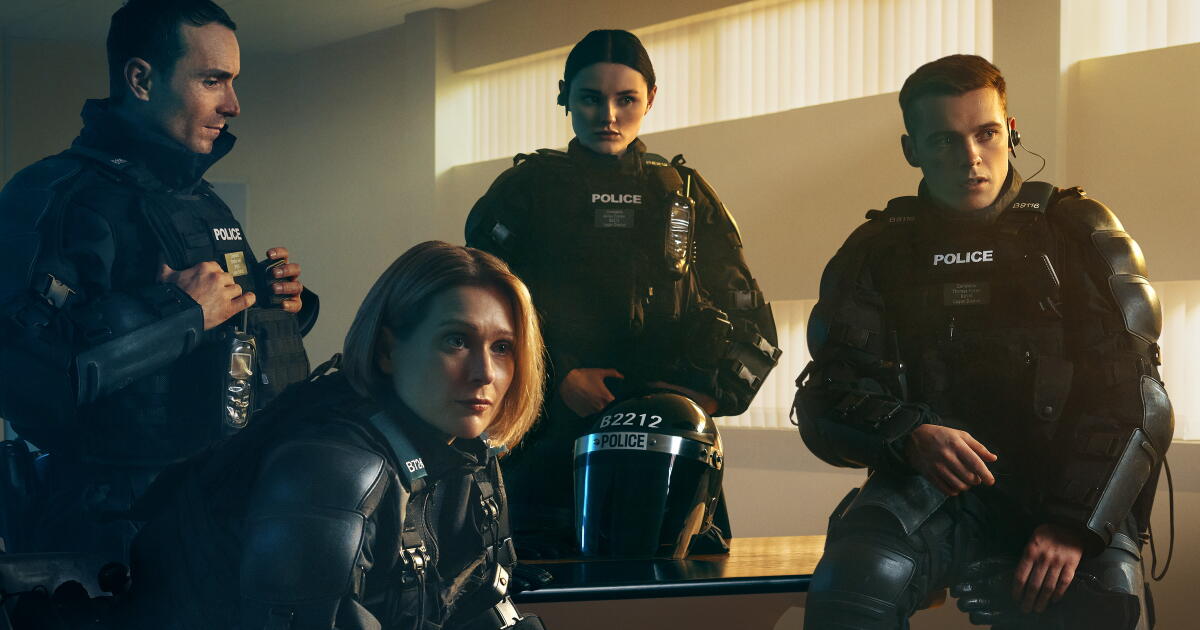
Set us as preferred The fourth season of the police drama “Blue Lights” begins with a scene that could be taken from American, British or European news coverage: An open house at an immigration center draws a group of angry protesters demanding that the nonnatives go back where they came from.A young woman wields her phone like a weapon, filming the demonstration as she characterizes the small protective police presence as yet another example of the government favoring the immigrants’ rights over those of the locals.But this is Belfast, and when a group carrying Irish flags is seen heading toward the protest, police concerns hit DEFCON 1.
The center is in a Loyalist portion of the city, where residents support Northern Ireland remaining part of the United Kingdom, while the flag carriers are identified as Dublin Republicans, or Nationalists, who want a united Ireland.As Chief Inspector Helen McNally (Joanne Crawford) says, “If they walk into a Loyalist area carrying those flags, there’s going to be a riot.”That isn’t what happens, exactly, but it serves as an instant reminder that in addition to being an outstanding cop show, “Blue Lights” is also a wildly ambitious one.As it enters its fourth, and possibly final, season — creators Declan Lawn and Adam Patterson recently announced they are stepping away from the show — it remains a singular character-driven police drama, rooted in contemporary urban issues — drugs, unemployment, poverty, organized crime, broken social services — that also dares to explore the ongoing impact of Northern Ireland’s 30 years of sectarian violence known as the Troubles.As the September protest over the Protestant Orange Order’s attempt to march through a Catholic neighborhood in Portadown most recently proved, the Good Friday Agreement still holds but many o...