


Mysterious object moving through space could be lost Soviet probe as NASA weighs in on theory
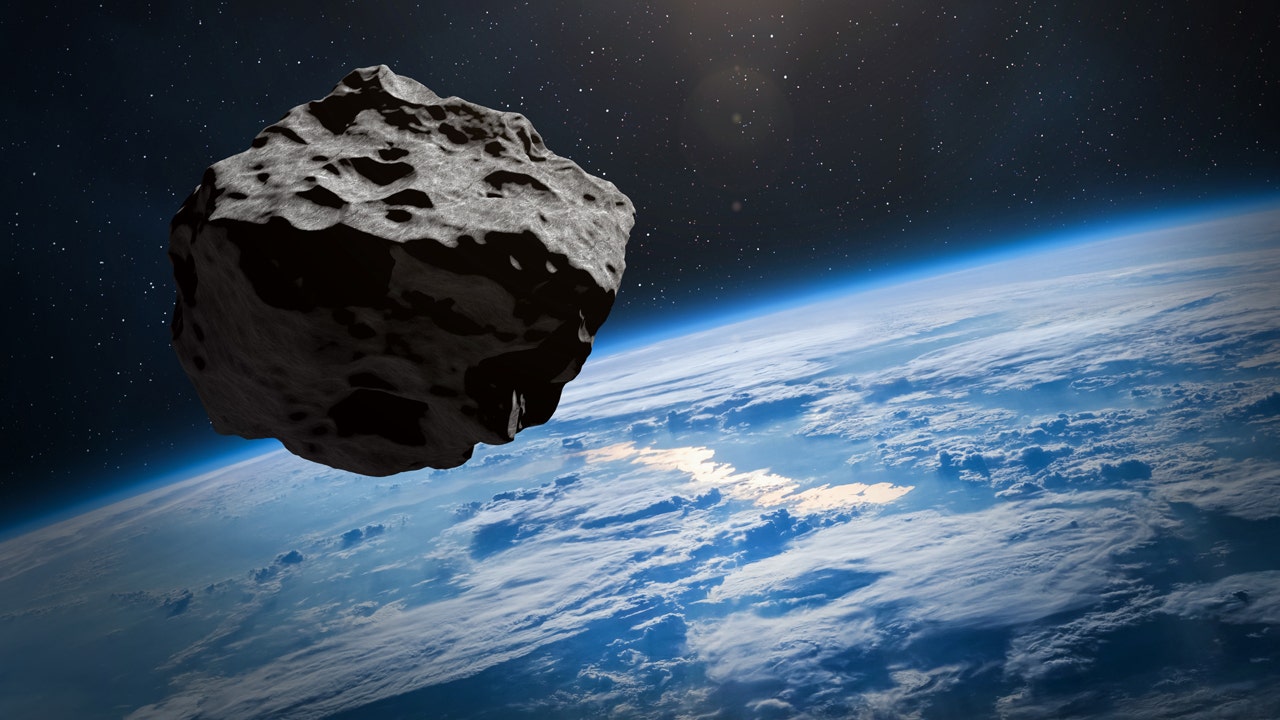
A mysterious object speeding through the solar system is accelerating in a way gravity alone cannot explain, fueling a theory that it could be a Soviet spacecraft lost nearly four decades ago.Known as 1998 KY26, the roughly 36-foot-wide object is believed to be a near-Earth asteroid, but something other than gravity appears to be affecting its path.New research has now cast doubt on one explanation for what is pushing it through space.NASA Administrator Jared Isaacman weighed in on the growing speculation Thursday morning on "Fox & Friends," saying some in the UAP community believe the object is making unusual movements, but he has seen no evidence KY26 is anything other than an asteroid.NASA CHIEF CONFIRMS AGENCY HAS UNEXPLAINED UFO IMAGERY: 'WE DON'T KNOW WHAT IT IS'"First of all, nothing is about to hit us, to be very clear on this," Isaacman said.
"I've not seen any evidence to suggest this is a threat to our planet or anything other than an asteroid."NASA Administrator Jared Isaacman speaks during a Senate hearing in Washington, D.C.(REUTERS)METEORITE THAT CRASHED INTO NJ HOME HOLDS BUILDING BLOCKS OF LIFE, SCIENTISTS SAYScientists refer to KY26's unusual movement as "nongravitational acceleration," meaning something besides the pull of the sun and planets is affecting its path.One theory has been that KY26 is a "dark comet" containing buried water that turns to gas and gives the object a push through space, even though astronomers have not detected the cloud or tail normally associated with a comet.But a new peer-reviewed study by Georgia Institute of Technology researchers Korbin Hansen and Masatoshi Hirabayashi casts doubt on that explanation.Their study, published in the journal Icarus, found KY26 is likely too warm for buried water ice to survive long enough to account for the unusual movement.Two shape models show scientists' estimates of the form of near-Earth object 1998 KY26.
(Credit: NASA)The researchers concluded that calculated water-loss rate...