


Republicans need history lesson about their party if they want to move on from defeat
The Republican Party is at a critically important crossroads.Understanding those crossroads and how to navigate back to a majority is a major, immediate challenge.Historically, it took Republicans a long time to recover from the Great Depression.We had become a minority party with limited appeal to over half of the country.REPUBLICANS HAVE A MIDTERM PROBLEM.
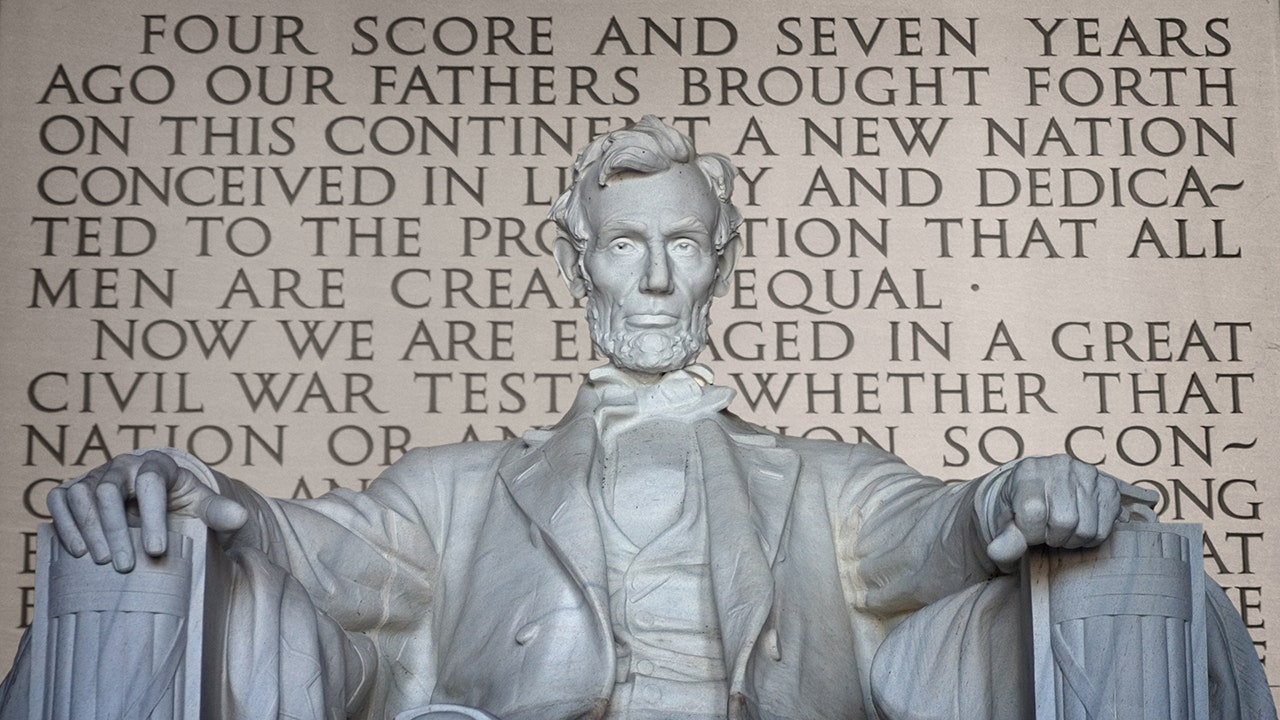
REAGAN’S AMERICAN VISION IS THE ANSWERIn 1980, President Ronald Reagan gave us the potential to be a truly national party for the first time since President Franklin Delano Roosevelt used the pain of the Great Depression to build massive support for the enlarged government of the New Deal and the Democratic Party that created it.If Republicans want to win in 2028, they need to remember the advice from Abraham Lincoln about listening to voters.(iStock)In 1994, after 16 years of endless work (outlined in "March to the Majority" with Joe Gaylord, who was my partner for all those years), the Contract with America broke the Democrats’ 40-year monopoly on the U.S.
House.Two years later, in 1996, the House GOP was re-elected as a majority for the first time since 1928.
A genuine two-party Congress was established for the first time in two generations.NEWT GINGRICH: REPUBLICANS CAN WIN THE 2026 MIDTERMS — IF THEY FOLLOW THE PLANThen in 2015 and 2016, then-citizen Donald Trump appealed to a wide range of hardworking people who were fed up with the corruption, left-wing extremism and dictatorial Washington bureaucracy that made their lives unhappy.By 2024, the bond between President Trump and his supporters — and their hostility to the efforts of the left to destroy him physically and legally — led the Republican Party to the edge of a genuine majority coalition for the first time since 1928.Then, at the beginning of 2025, just as we seemed on the verge of becoming a new governing majority coalition, Republicans forgot the key rules President Abraham Lincoln taught us during the GOP’s foundational period i...