


Clarence Thomas calls foul on California ruling he says could turn citizens into government mouthpieces
Justice Clarence Thomas warned Monday that the Supreme Court is leaving the door open for states to compel speech from private citizens by not taking up a challenge to a California law.On Monday, the Supreme Court declined a petition to hear a case from a California physician who argued that the state government was forcing her to make statements she disagreed with while teaching a mandatory course for doctors.Thomas was joined by Justice Samuel Alito in dissenting from the decision, arguing that allowing the law to stand could have implications reaching far beyond the medical field.The case stems from California’s requirement that all its licensed physicians complete 50 hours of state-approved continuing education courses every two years.
California requires continuing medical education courses to include instruction on implicit bias, either through examples of how it affects physicians' treatment decisions and health outcomes or strategies for addressing how those biases may contribute to healthcare disparities."When, as here, the government does not issue its own messages but instead requires private speakers to communicate the government’s viewpoint, the First Amendment applies," Thomas wrote."A State cannot regulate its way out of First Amendment scrutiny.
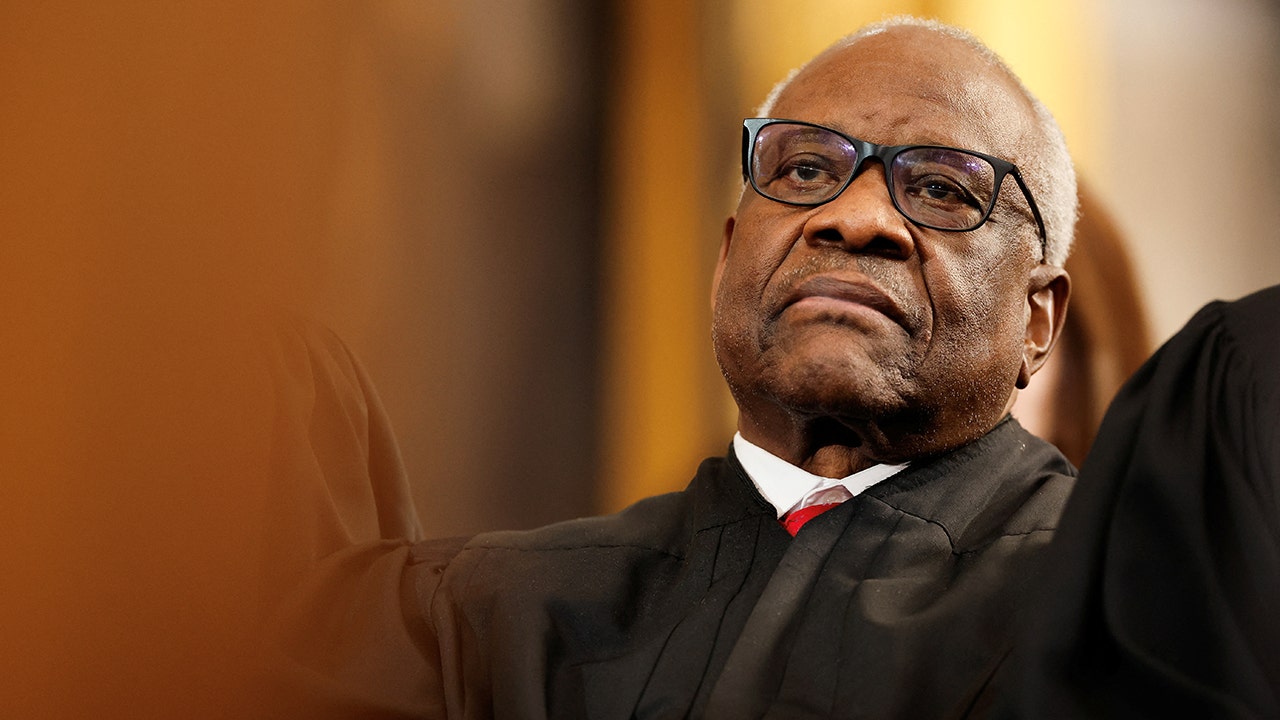
We should not permit the government-speech doctrine to be wielded as ‘a cover for censorship’ or a cloak for compelled speech."JUSTICE ALITO WARNS AMERICA MUST PRESERVE 3 CORE PRINCIPLES REGARDLESS OF COUNTRY’S ‘ATMOSPHERE’Associate Supreme Court Justice Clarence Thomas looks on inauguration ceremonies in the Rotunda of the U.S.Capitol on Jan.
20, 2025 in Washington, D.C.(Chip Somodevilla/Pool via REUTERS)Dr.
Azadeh Khatibi, who teaches a continuing education course in California, sued the state alongside the right-of-center non-profit, Do No Harm, arguing, like Thomas argued, that it compels private instructors to convey a government-favored message in violation of the First Amendment."She ...