


From hoops to oysters: Inside the unexpected second acts of WNBA stars
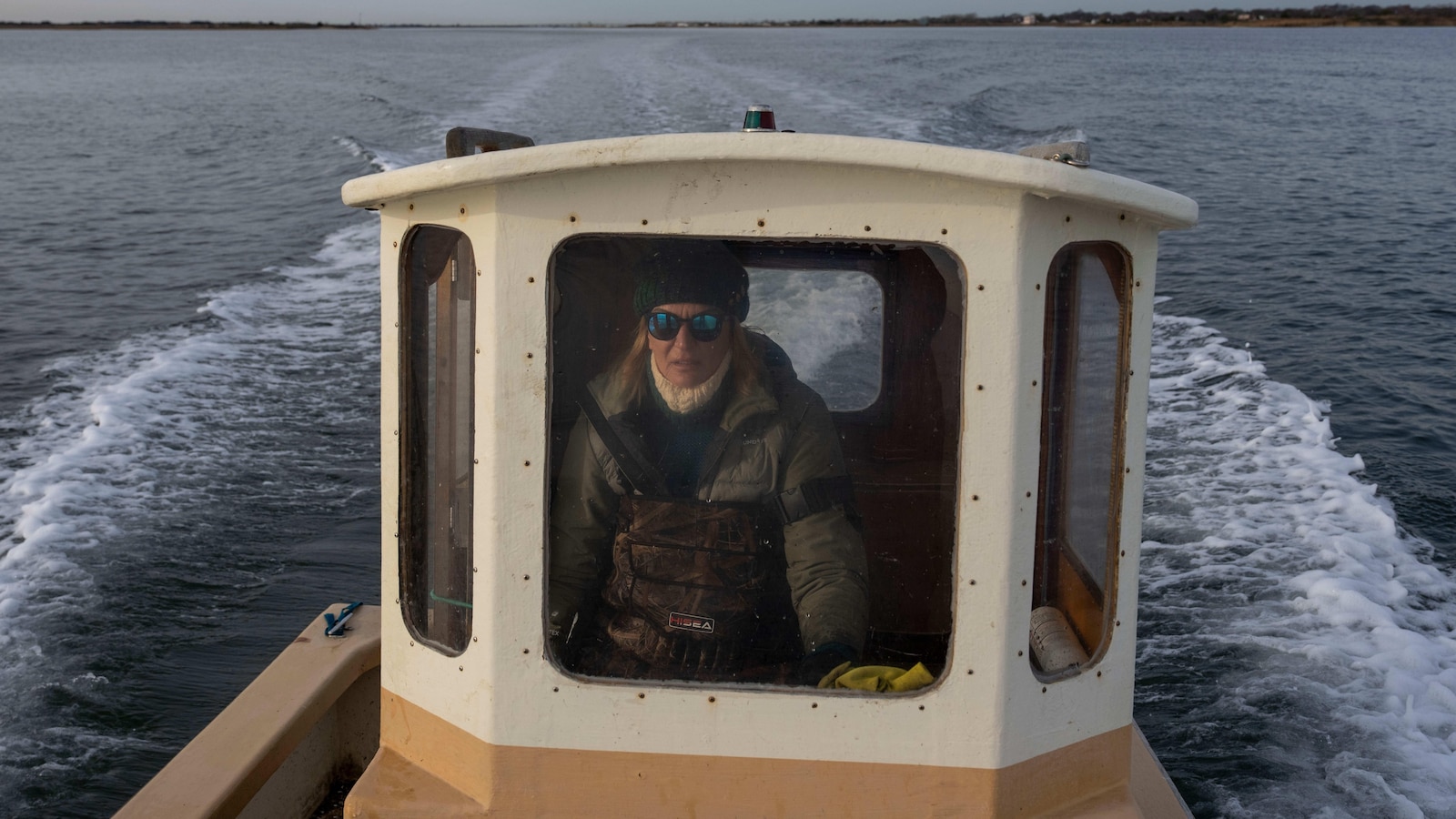
After seven days of wind, the morning is finally calm enough on New York’s East Moriches Bay for Sue Wicks to jetty her boat to check on her oysters.Hundreds of cages pop out at odd angles from their lines, and a few float away.The retired WNBA star and Hall of Famer admits that the aquaculture farm she started at age 50 can be anxiety-inducing and compares it to her time playing basketball.
“Some days you’re like, ‘Why am I doing this?’ You’re injured, you’re hurt, you are losing, things are going bad.And then the next day you go back and do it again because you love it,” she said.Wicks, 59, has worked as a commentator, college basketball coach and at a fitness start-up since retiring from the WNBA in 2002, and says she feels lucky to again find a career “that works for my soul.” But the reality is that even a successful run as one of the world’s best basketball players didn’t earn her enough to fully retire.Although the WNBA is bringing in more than ever from sponsors and ticket sales, many players still find themselves financially unsteady when the final whistle blows.
“The choice is what they do as their second career, not whether they have a second career,” said Risa Isard, director of research and insights at women’s sports marketing platform Parity.Since “women athletes get paid a fraction of what men do while they’re playing,” Isard said their next acts tend to look more like traditional career paths rather than managing substantial investment portfolios.
The average NBA salary is around $11.9 million, according to data reviewed by The Associated Press.That's nearly 100 times what the WNBA says is the average salary of $120,000 for its players — although major differences in league size, age, profit margins and media contracts account for part of that gap.For 2009 second overall draft pick and 2015 WNBA All-Star Marissa Coleman, the main difference between post-playing careers between WNBA and NBA players is that “...