


FIRST ON FOX: Young Americans are far less likely than older generations to see China as a major threat to the United States, according to a new poll, revealing one of the sharpest generational divides in U.S.foreign policy.Some 93% of Americans age 65 and older said they are concerned about China's ability to spy on the United States, compared with just 62% of those ages 18 to 29, according to the Ronald Reagan Institute Summer Survey. Younger Americans also were consistently less likely than seniors to express concern about China's potential use of force against Taiwan (56% versus 86%), technology theft (61% versus 91%), purchases of U.S.
land (68% versus 93%) and China's role in the flow of fentanyl into the United States (68% versus 92%).Despite the generational divide, concern about China remained high nationally.More than 80% of Americans said they were concerned about China's role in the flow of fentanyl into the United States, its ability to spy on Americans and its purchases of U.S.
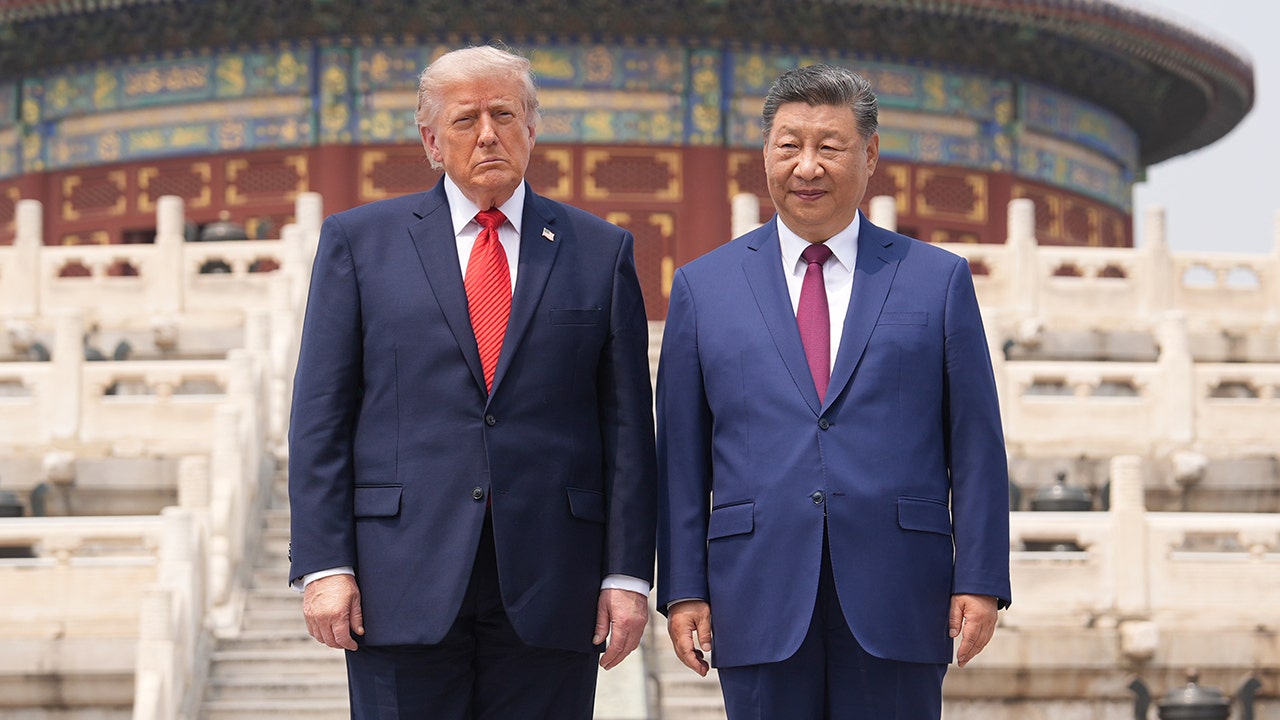
land.Sixty-six percent also said Taiwan's security matters to the United States.FOX NEWS POLL: VOTERS DOUBT NEW AGREEMENT WILL STOP IRAN FROM DEVELOPING NUKESThe findings come as Washington and Beijing are trying to stabilize one of the world's most consequential relationships after years of escalating economic and military tensions. After imposing triple-digit tariffs on China at the start of his administration, President Donald Trump met with Chinese President Xi Jinping in China in May and announced a series of trade and investment agreements and pledged to continue dialogue.While concern about China remains widespread across the country, the survey suggests younger Americans view the U.S.'s chief geopolitical rival through a markedly different lens than older generations, raising questions about how public attitudes could evolve as younger voters make up a larger share of the electorate.The findings stand out because they diverge from the prevailing view among many na...