


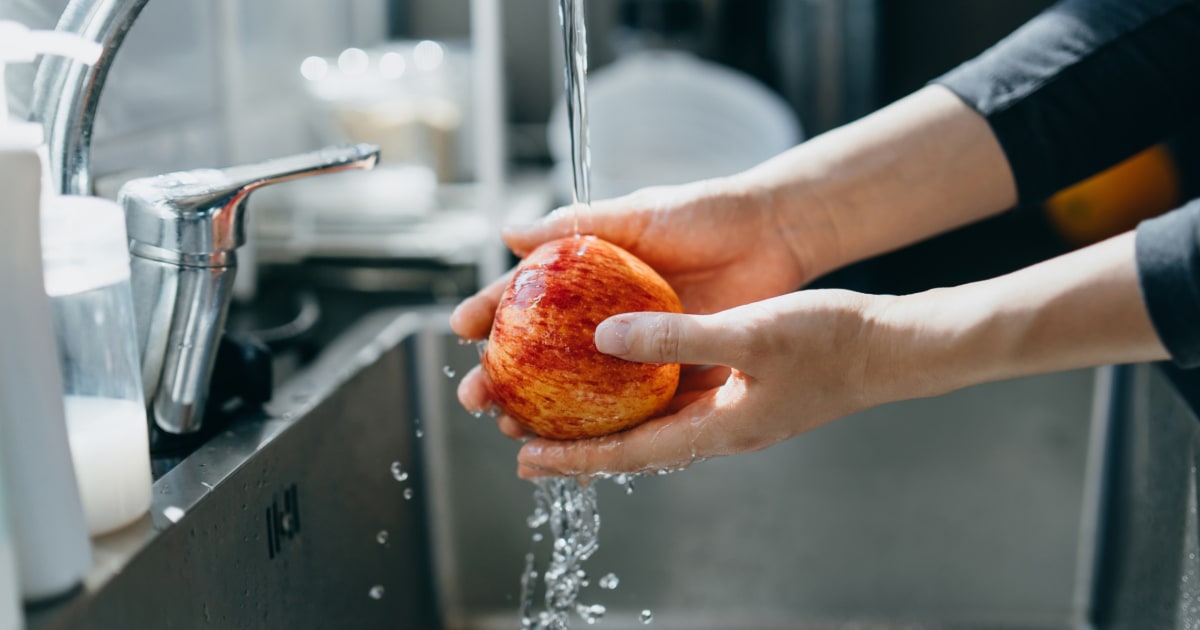
Cases of cyclosporiasis — an illness caused by a microscopic parasite often linked to contaminated fresh produce like strawberries — are climbing across the U.S.this summer, with outbreaks reported in multiple states and Michigan alone logging hundreds of cases in recent weeks.
Currently, the Center for Disease Control (CDC) is investigating this multistate surge and health officials in hard-hit areas are urging residents to take extra precautions with the produce they eat.So what exactly is cyclosporiasis, and how worried should you be? Read on for everything you need to know about it — including produce-washing products that can help you reduce the risk of infection.Selected.Our top picksBest overallVeggie Wash$undefined$13.34AmazonLearn moreBest for firm produceOXO Good Grips Vegetable Brush$undefined$9.95AmazonLearn moreBest budgetIberia All Natural Distilled White Vinegar (1 Gallon)$undefined$12.99AmazonLearn moreWhat is cyclosporiasis and how do you get it? Experts told NBC News that cyclosporiasis is an intestinal illness caused by a microscopic parasite called Cyclospora cayetanensis, or Cyclospora for short, which people contract by consuming food or water contaminated with feces.
Not everyone who’s infected will feel sick, but, for those who do, the parasite targets the small intestine and typically causes watery diarrhea with frequent, and sometimes explosive, bowel movements, the CDC reports.Other symptoms include cramping, nausea, fatigue and a low-grade fever.Symptoms usually show up two to 14 days after exposure, and if left untreated, the illness can last anywhere from a few days to a month or longer, sometimes improving before returning.
Importantly, direct person-to-person transmission is unlikely, since it takes at least one to two weeks outside the body for Cyclospora to become infectious after passing in a bowel movement.While uncomfortable and often prolonged, the infection is not usually life-threatening, according to the CDC.Relat...