

You paid for the product.So why does it feel like the company still controls the screen? That is the question more of us are starting to ask as smart devices get updated long after we bring them home.
A refrigerator can show ads in your kitchen.A car can flash offers on the dashboard.
Even a Windows 11 computer can surface promotions before you get to work.The frustrating part is that this often happens through software updates.You tap update because you want your device to stay secure and work properly.
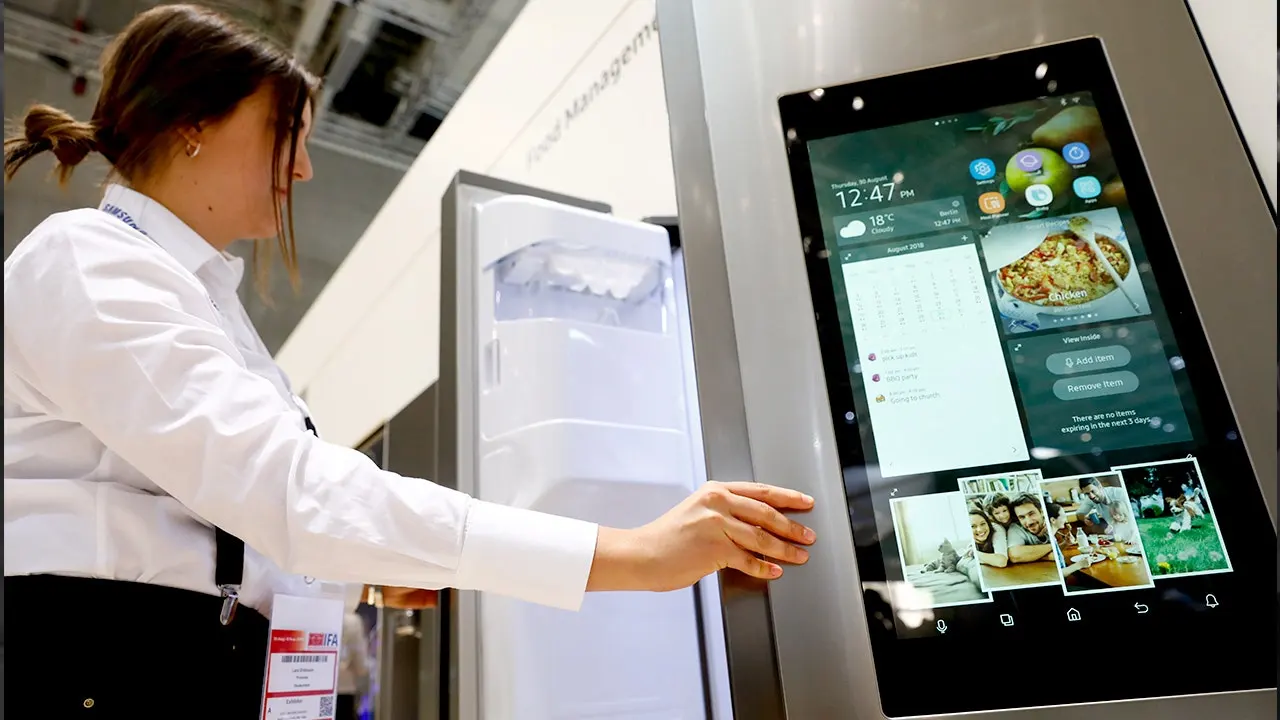
Then one day, the product you bought starts acting like a billboard.This is also why it pays to understand the hidden privacy clauses and settings that come with smart products before those screens start doing things you never expected.GOOGLE TURNS OLD PHONES INTO CLOUD SERVERSSmart devices from refrigerators to cars and computers can show ads after software updates, raising questions about who controls screens consumers already paid for.
(Michele Tantussi/Getty Images)Free live CyberGuy class: Sick of Spam? Join us July 22.Join us Wednesday, July 22, at 1 p.m.ET for a free CyberGuy Live class that will help you cut down on robocalls, spam texts, junk email and other unwanted messages.
Kurt "CyberGuy" Knutsson will walk you step by step through simple ways to filter spam, clean up your inbox and recognize the messages that could put your personal information at risk.No technical experience is needed.
You’ll also receive our spam-stopping checklist, and every registrant will get a link to the class recording afterward.Reserve your free spot today at CyberGuyLive.com.Samsung Family Hub refrigerators are sold as connected kitchen hubs.You can use the screen for weather, calendars, grocery lists and other household features.
But as we discussed on The CyberGuy Report podcast at CyberGuy.com, that same screen can also become a place for ads after a software update.Samsung began showing ads on some Family Hub refrigerator Cover Screens in the U.S.
We reached out...