


Under China's new 'unity' law, Tibetans fight to preserve language and culture
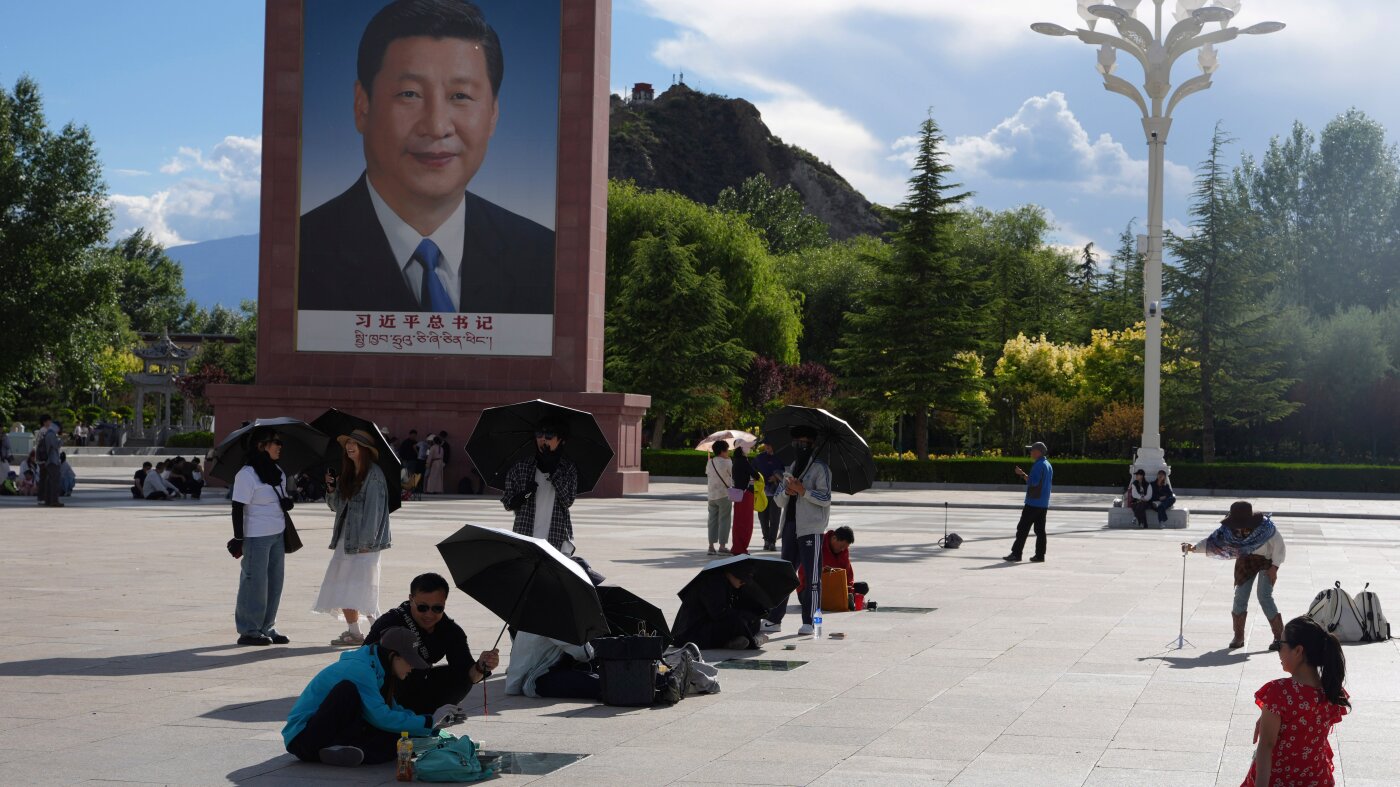
LHASA, Tibet — Kalsang Lhamo traces a series of vertical strokes, slow but firm, practicing Tibetan calligraphy.A 73-year-old retired nurse, she has spoken Tibetan all her life but never learned to write it.
Now, in classes at a center for older adults, she immerses herself in the script.Lhamo also speaks and writes Chinese, which China mandated as its primary language for schools and government agencies in a sweeping new "ethnic unity" law implemented July 1.Under the new regulations, acts deemed to incite division among China's 56 ethnic groups are prohibited, and schools, families and other institutions are expected to foster patriotism, national unity and a strong sense of community for the Chinese nation.The law has been widely criticized as a way to further erode the rights of Tibetans and other minorities, and for the authority it gives Beijing to target activities it considers separatist, even outside China.
The Chinese government has dismissed foreign criticism as "ideological bias."In Tibet — a remote Himalayan region officially designated autonomous but tightly controlled by Beijing — the stakes are particularly high.This year, China is marking the 75th anniversary of what it calls the "peaceful liberation" of Xizang — the Chinese name for Tibet — an event many Tibetans in exile and other critics regard as an invasion.Some Tibetan activists say the new law represents more forced cultural assimilation and extended control over ethnic minorities.
Rights groups say language policies have already been implemented in other minority regions, including expanded Mandarin education for Uyghurs in Xinjiang and the replacement of some Mongolian-language instruction with Mandarin in Inner Mongolia."Minority communities that seek to maintain their culture will be pushed toward a double life of public conformity and private reservations," wrote James Leibold from La Trobe University and Tenzin Dorjee from the advocacy group Tibet Action Institute in Foreig...