


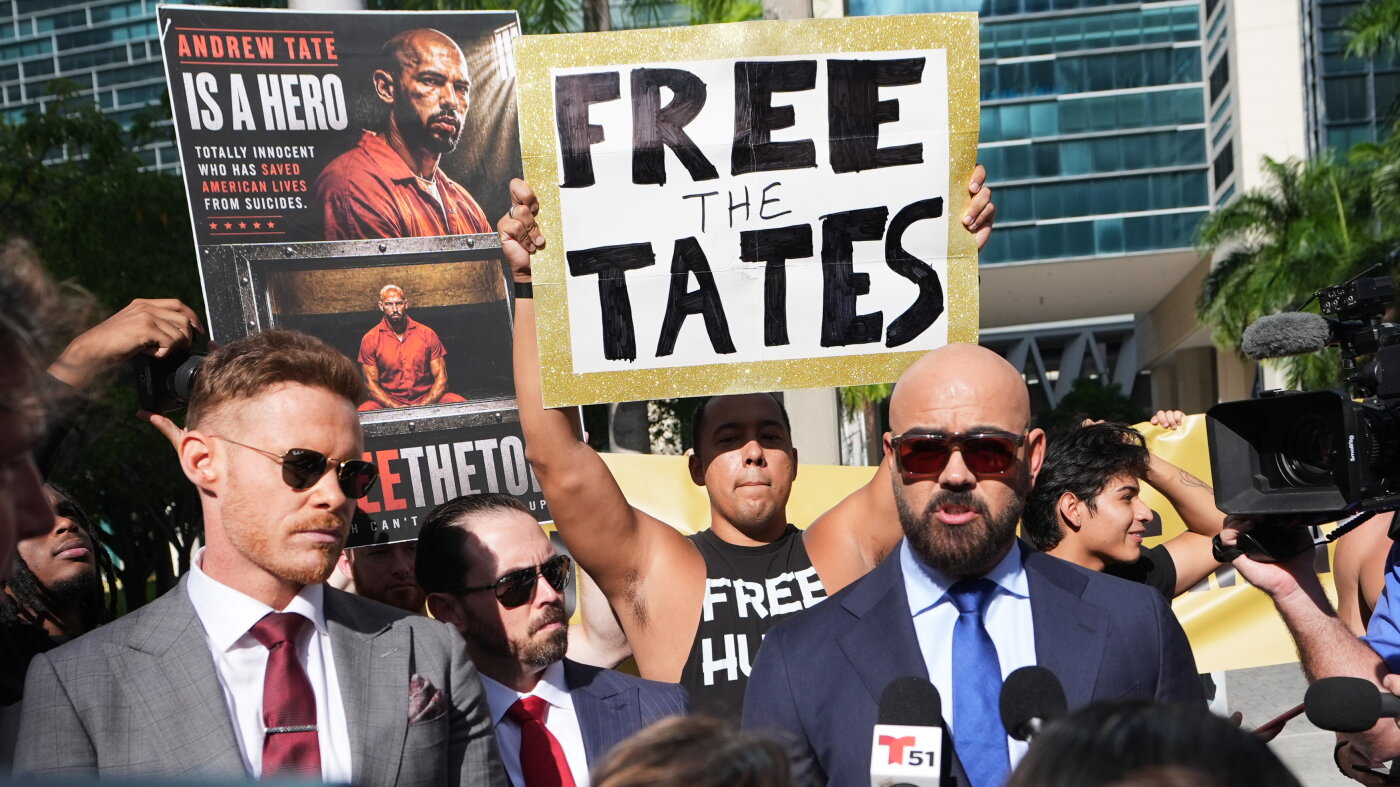
A federal judge in Miami denied Andrew and Tristan Tate's bail request on Wednesday, ordering them to remain in a detention center in Miami.The brothers, who were arrested in July, are fighting extradition to the U.K., where they face a total of 59 criminal charges, including rape and human trafficking for sexual exploitation.
The brothers deny all allegations.Magistrate Judge Lauren F.Louis sided with prosecutors, who said Andrew and Tristan Tate pose a flight risk and are dangerous.
She ruled after hearing directly from the Tate brothers in an eight-hour detention hearing at the C.Clyde Atkins U.S.
Courthouse in Miami on Aug.27.The brothers said they are not flight risks, telling the judge that they have repeatedly returned to Romania — where they face and also deny similar charges — to check in with authorities.Under a Supreme Court precedent, bail in international extradition cases is reserved for "special circumstances." The Tate brothers say the Romanian criminal case meets that criteria.The judge disagreed, saying the brothers "failed to demonstrate that special circumstances here warrant relief."U.S.
marshals arrested Andrew Tate, 39, and Tristan, 38, on July 18.Since then, they've been held at the Federal Detention Center in Miami, a prison across the street from the courthouse.The British charges against the prominent figures in the online "manosphere" space span from 2010 to 2017 a period in which Andrew Tate grew wealthy from a webcam porn business and then pivoted to becoming a social media influencer with millions of online followers."We are, of course, objecting to extradition because Andrew and Tristan are innocent" of the charges, their longtime attorney, Joe McBride, said after an initial hearing on July 20.Ahead of the detention hearing, legal experts told NPR it was unlikely that the Tates would win their freedom on bail, a difficult prospect in any international extradition case."There is generally a fear … that the person could well ...