


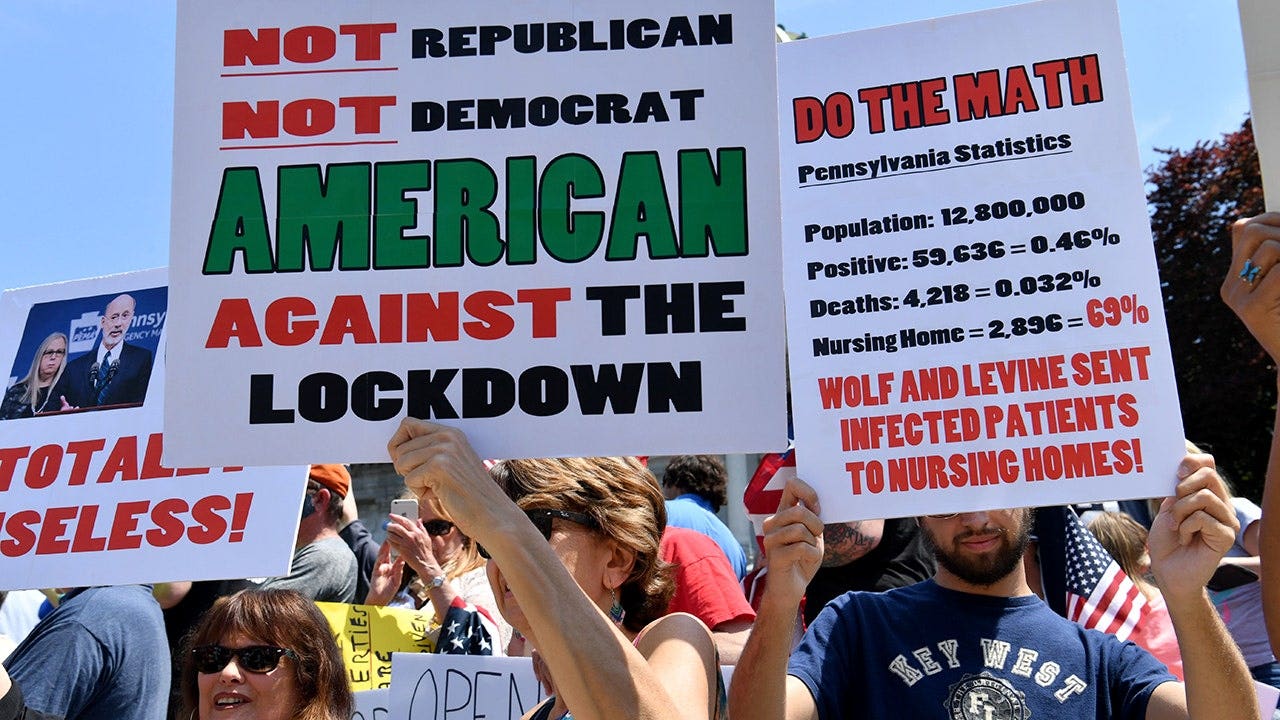
Pennsylvania lawmakers are warning that proposed changes to the state’s public health rules could usher in "COVID 2.0," giving health officials sweeping "police power" over residents during future disease outbreaks.Lawmakers opposing Pennsylvania's planned 502-page rewrite of state health code rules are urging the public to submit comments before the deadline, warning the proposal could serve as a roadmap to unfettered and intrusive restrictions and surveillance efforts, including the reported ability for agency representatives to enter private homes."This absolutely is COVID 2.0, but it's even worse because [Governor] Josh Shapiro is trying to circumnavigate or skirt the constitutional provision that we the people in Pennsylvania voted to take that kind of power away from the governor," said State Rep.Russ Diamond, R-Lebanon, who is leading the charge against the policy changes."We were the only state in the nation to reduce our governor's powers by a constitutional amendment after COVID," Diamond said, adding that "surveillance, segregation and quarantine" are areas being assessed.SOVIET-BORN ANALYST EXPOSES HOW PANDEMIC-ERA NEIGHBOR SNITCHING UNLOCKED A 'NATURE OF EVIL' IN AMERICADemonstrators protest Pennsylvania's COVID lockdown policies during the pandemic.
(Nicholas Kamm/Getty Images)Pennsylvania voters approved a constitutional amendment in 2021 limiting the duration of a governor’s disaster declaration to 21 days unless extended by the General Assembly.Those emergency powers played a central role in then-Gov.
Tom Wolf’s statewide mitigation orders.In the 502-page proposed Regulation 10-242, Communicable and Noncommunicable Diseases, the Pennsylvania Department of Health proposes expanding the list of reportable diseases, infections and conditions and updating the rules to reflect changing expert standards."The Department proposes to add language in this subsection, indicating that the Department or a local health authority may enter an apartment, a...