


From creating 'crack for girls' to superhero TV: The untold history of the CW, 20 years later
This is read by an automated voice.Please report any issues or inconsistencies here.
See more from the L.A.Times in Google Search.
Set us as preferred Boomers screamed for the Beatles on “Ed Sullivan.” Gen X wanted its MTV.Every generation has its touchstone moments of televised pop culture.
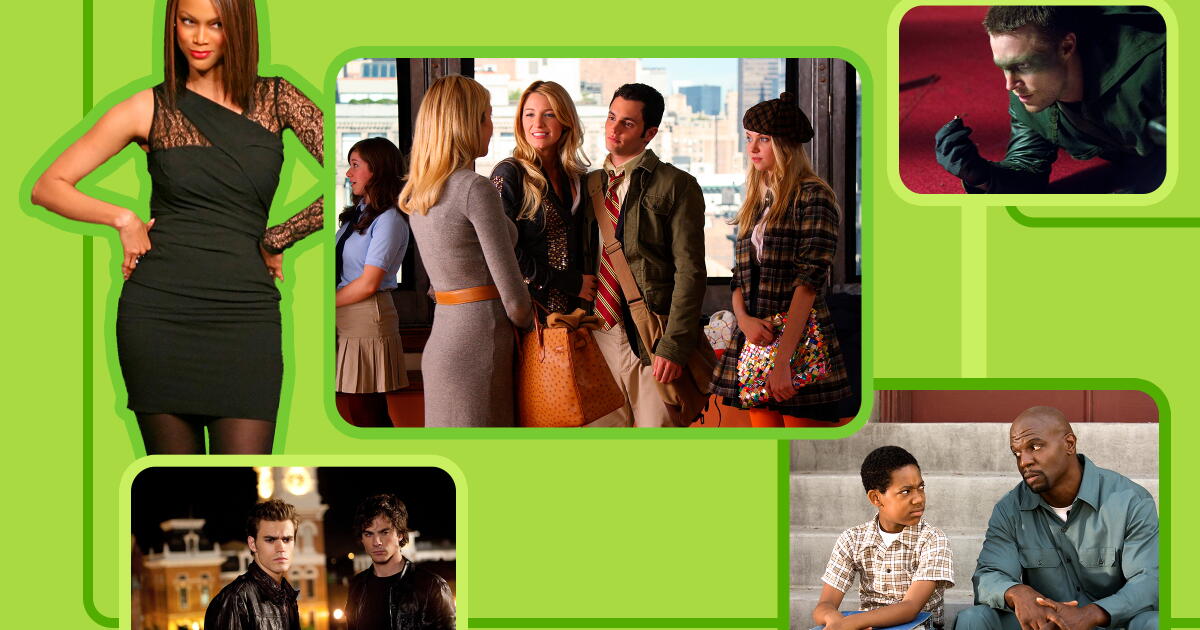
For millennials, one such moment arrived in 2006 when the rival broadcast networks UPN and the WB united to launch a super network with programming geared toward audiences too old for Nickelodeon but not fully invested in what Mom or Dad were watching: The CW.The network kicked off with carryovers from the merger, including “Gilmore Girls” and “America’s Next Top Model,” before finding its own niche with shows like “Gossip Girl,” “The Vampire Diaries,” “Arrow” and “Riverdale.” The CW would spend the bulk of this century becoming synonymous with a specific kind of programming: one in which teens and 20-somethings had educated conversations about real issues, like cyberbullying and queer relationships, while looking impeccable.Earlier series like the WB’s “Dawson’s Creek” and ABC’s “My So-Called Life” managed to resonate with younger viewers without talking down to them.But the goal of the CW was to create a network that took younger viewers, especially female viewers, seriously.“I think teen girls … [are] so happy somebody’s speaking to them because, oftentimes, they get ignored,” says Dawn Ostroff, the executive who moved from UPN to launch the CW, serving as its president of entertainment until 2011.
“The question is, how do you maintain that trust? How do you hold their hands and say ‘we’re on this journey together?’”The Times talked to Ostroff and other major players about the network’s merger, notable programming moments and its evolution.In the process, we remembered the lessons bestowed upon us by “Gossip Girl,” including that tights are not pants, and how to spell “doppelganger” when ta...