


A massive surge in cyberattacks on Americans' water supply in recent years has exposed a shift in hackers' focus from financially motivated ransomeware to attacks designed to disrupt one of the most essential pieces of civilian infrastructure, senior Environmental Protection Agency (EPA) officials told Fox News Digital."Everyday life completely crumbles" when drinking water and wastewater systems are impacted, warned EPA Assistant Administrator for Water Jess Kramer."There is definitely been an increase, several fold on attacks recently," Kramer added in an interview with Fox News Digital."You're seeing everything from failure to change password, leading to cyberattacks all the way to ...
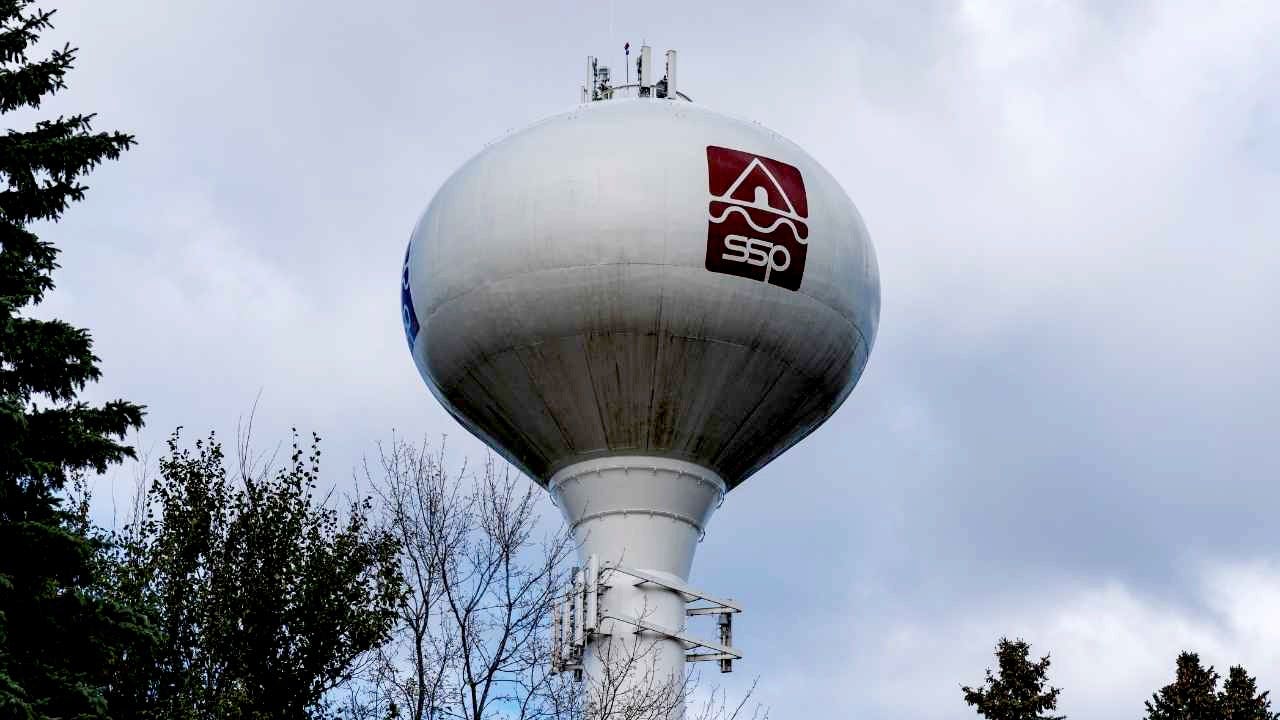
system specifics being available online."Asked why the water sector has become such an attractive target, Kramer said the answer begins with how deeply embedded it is in Americans' daily lives.AN AI CYBERATTACK COULD TURN OFF AMERICA'S LIGHTS BEFORE WASHINGTON EVEN UNDERSTANDS WHYHackers targeted computerized controls at more than 30 Minnesota water systems, forcing some utilities to use manual operations and backup procedures.(Tony Webster/Wikimedia Commons)"Our everyday life completely crumbles without access to drinking water and wastewater infrastructure," she said.
"Everything from hospitals to daycares, everything that we care about and need on an everyday basis can be impacted" if one of those cyberattacks succeeds.EPA Assistant Administrator for Enforcement and Compliance Assurance Jeff Hall said water utilities have also become appealing targets because many continue to operate aging infrastructure while lacking the resources to modernize their cybersecurity."We will see water systems left vulnerable to cyberattacks where there have not been significant amounts of investment in cybersecurity protocols," Hall said, pointing to basic protections such as virtual private networks and firewalls that are still missing at some utilities.Hall explained how hackers have "moved fr...