


Review: 'Carrie' expands its story for the modern world with an exceptional, apocalyptic lead
This is read by an automated voice.Please report any issues or inconsistencies here.
See more from the L.A.Times in Google Search.
Set us as preferred Published in 1974, Stephen King’s first novel, “Carrie,” sold a million copies in its first year, and millions more after the appearance of Brian De Palma’s 1976 film adaptation, which, if we are to trust Wikipedia, made nearly $139 million on a budget of $1.8 million.(That’s not even counting what home video has teleported into corporate pockets in the years since, laying the foundation of the King Industrial Entertainment Complex.)A springboard in the careers of De Palma, Sissy Spacek, John Travolta, Nancy Allen and Amy Irving, De Palma’s “Carrie” is an excellent film that, having seen it once, I never want to see again, the bullying and humiliation of a perfectly nice if slightly strange young woman being my idea of no fun, even if it does lead to a spectacular set piece.And so the prospect of watching an eight-hour adaptation of the novel stretched out before me like a five-year semester in which every class was P.E.
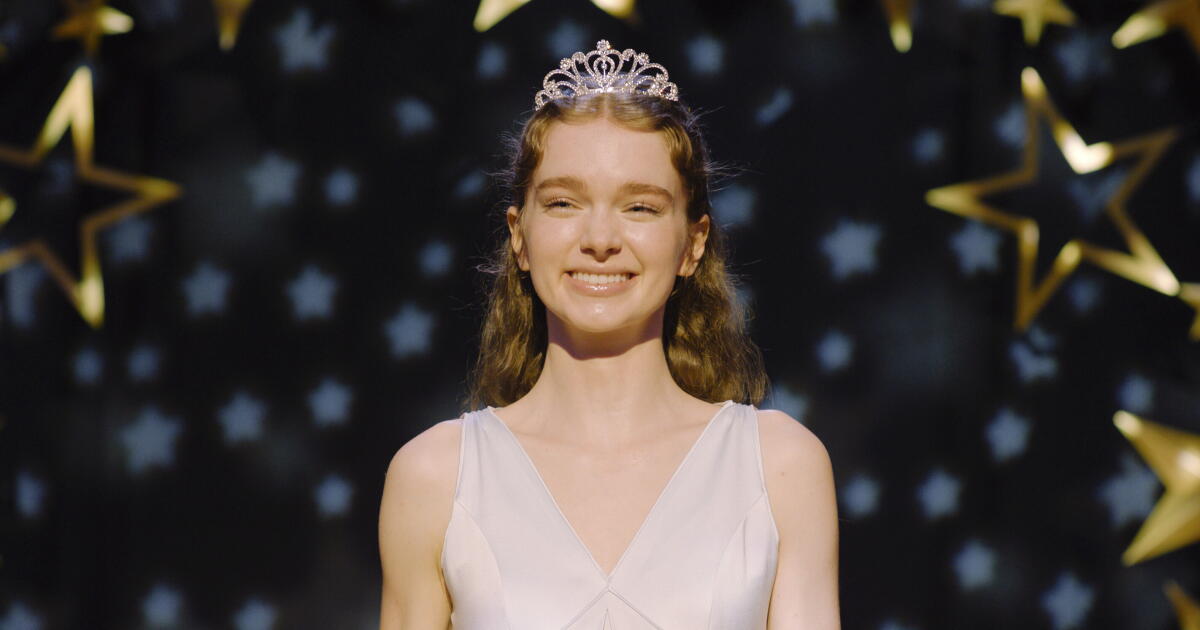
But here we are, with “Carrie” 2026, developed (and directed in part) by Mike Flanagan (“The Haunting of Hill House”), premiering Wednesday on Prime Video.Television When Mike Flanagan decided to revamp Stephen King’s horror classic, he brought Carrie and her mother, Margaret, to the present as they contend with the outside world’s cruelty.Carrie White (Summer H.
Howell) lives with her mother Margaret (Samantha Sloyan) and father Ralph (Tahmoh Penikett), a conspiracy-minded construction worker, in a sort of cult of three, out of which Carrie has never been allowed to poke her head.(For some reason, we are in “Chamberlain, USA,” and not the canonical Maine; it was filmed in Vancouver, of course.) Though “a loner” and “a bit of a doomsday prepper,” Dad is seemingly not a bad guy — Carrie loves him, anyway — but he departs the series early in a man...