


Ahead of the National Day for the Victims of Communism, the U.S.Department of Education issued a "Dear Colleague" letter calling on schools and universities across the country to strengthen their instruction on the history and human toll of communism and socialism.
The letter highlights states that have already taken steps to make sure students learn about the destruction these centralized regimes caused.Florida is one of them.The state recognizes November 7 as Victims of Communism Day and requires high school students in U.S.
government courses to receive instruction on communist regimes and how their victims suffered.But, the fact that the federal government had to remind schools of this at all reveals a failure in our educational system.THE PROGRESSIVE EDUCATION MACHINE IS COLLAPSING.WE SHOULD LET IT FALLWhy should anyone have to ask schools to teach the well-documented history of an ideology that claimed more than 100 million lives in the 20th century? Because educational institutions have quietly dropped the comparative study of economic and political systems.When I was in school, this was an important topic in history and economics classes.
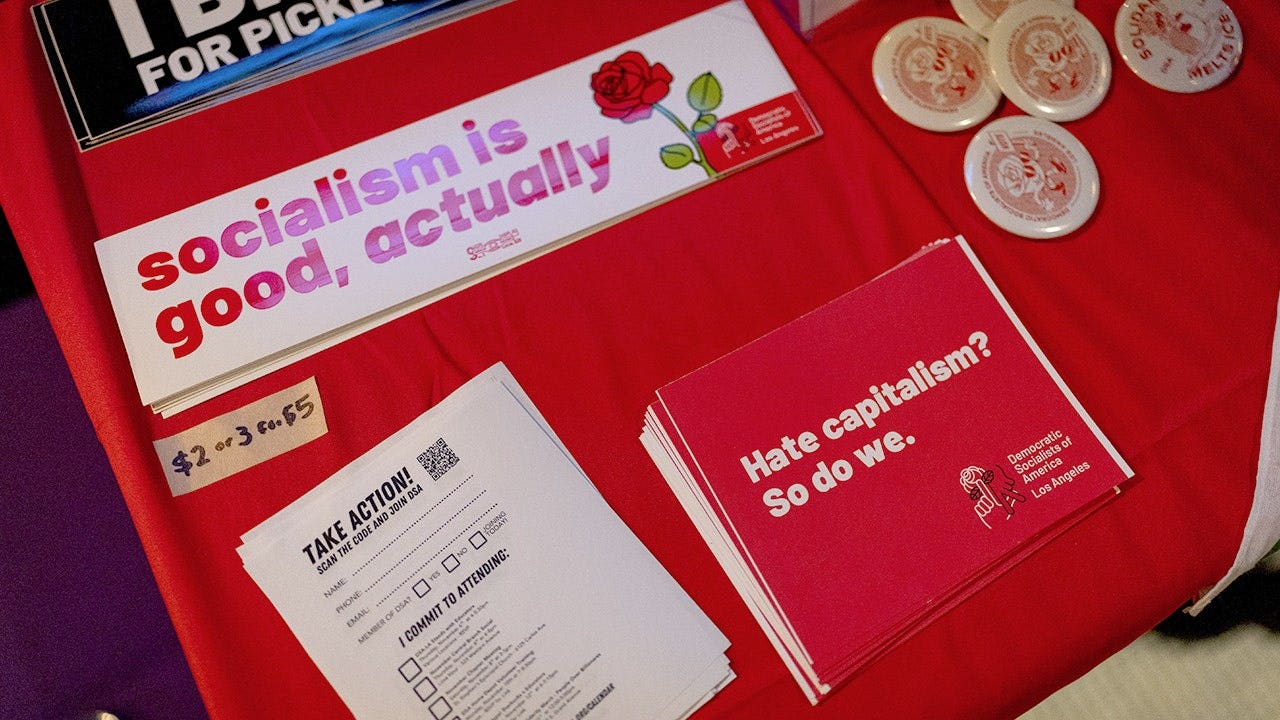
Now it is an afterthought.THE NUMBERS DON’T LIE.YOUNG AMERICANS ARE FALLING IN LOVE … WITH SOCIALISMThe result is a generation of graduates who feel an affinity for socialist policies without ever learning what those policies have done.
A 2025 Cato Institute and YouGov survey found that 62 percent of Americans under 30 view socialism favorably, and more than a third view communism favorably.When students are taught only the shortcomings of capitalism, without ever studying the failures and human rights abuses of centralized state economies, they naturally assume socialism is the cure.This is why I wrote College Without Communism.
The goal was not a partisan attack.It was an urgent educational plea.
We are committing academic malpractice when we send students into the workforce without a basic understanding of the ...