


Teen suspected of killing boy and stepmom was in prosecutors' sights for years until new law let them strike
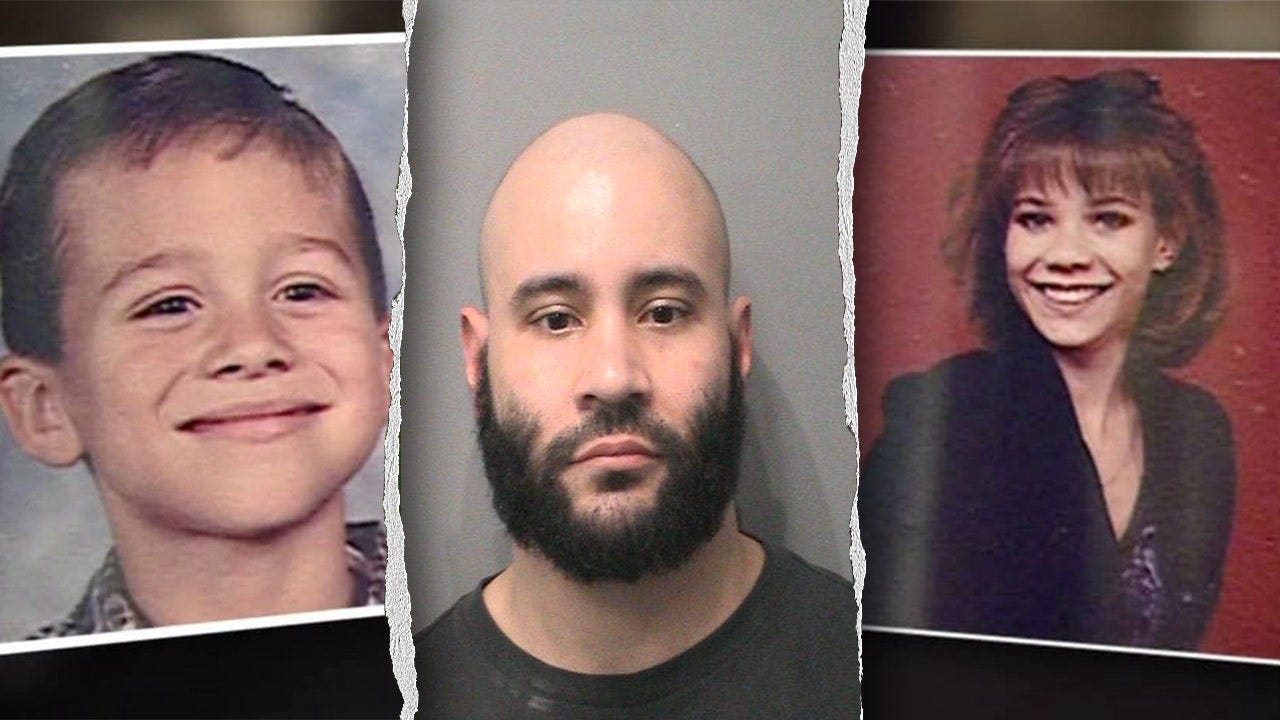
Indiana investigators identified a suspect years before charging a man with the 2006 murders of 10-year-old Blake Dickus and his 26-year-old stepmother, Chynna Dickus, but prosecutors say an unusual gap in state law prevented them from bringing the case.Johnson County Prosecutor Lance Hamner told Fox News Digital that authorities had identified Michael Jerome James as a suspect in the double murders, but spent years working to establish a legal path to prosecute him for crimes he allegedly committed at age 14."That's what took us so long," Hamner said."We had a suspect identified.
We weren't able to bring charges for several years because we were trying to get the jurisdictional statute in place."Blake, 10, and Chynna Dickus, his 26-year-old stepmother, were stabbed to death in their Franklin, Indiana, home on July 24, 2006.(City of Franklin, Indiana)KILLER UNDONE BY DECADES-OLD THREADS — GLOVE, TOWEL AND SHIRT STITCH TOGETHER COLD CASE JUSTICEJames, now 35, appeared in Johnson Circuit Court in Franklin on Thursday, Oct.
8, following a grand jury indictment in the July 24, 2006, deaths of Blake and Chynna.James faces four counts of murder.Prosecutors accuse him of killing Blake and Chynna while burglarizing or attempting to burglarize their Franklin home.During his court appearance, James told Johnson Circuit Court Judge Andrew Roesener that he did not have an attorney yet but planned to get one.
Roesener gave James until Nov.2 to hire an attorney and set his next status hearing for the same day.James' age at the time of the killings is what created an unusual problem for the state, Hamner said.Indiana law historically gave juvenile courts jurisdiction over crimes committed by minors, creating a dilemma when authorities identified an alleged juvenile offender only after that person had aged out of the system.Since authorities did not identify or charge James while he was a juvenile, prosecutors faced the question of whether an adult court could legally hear th...