


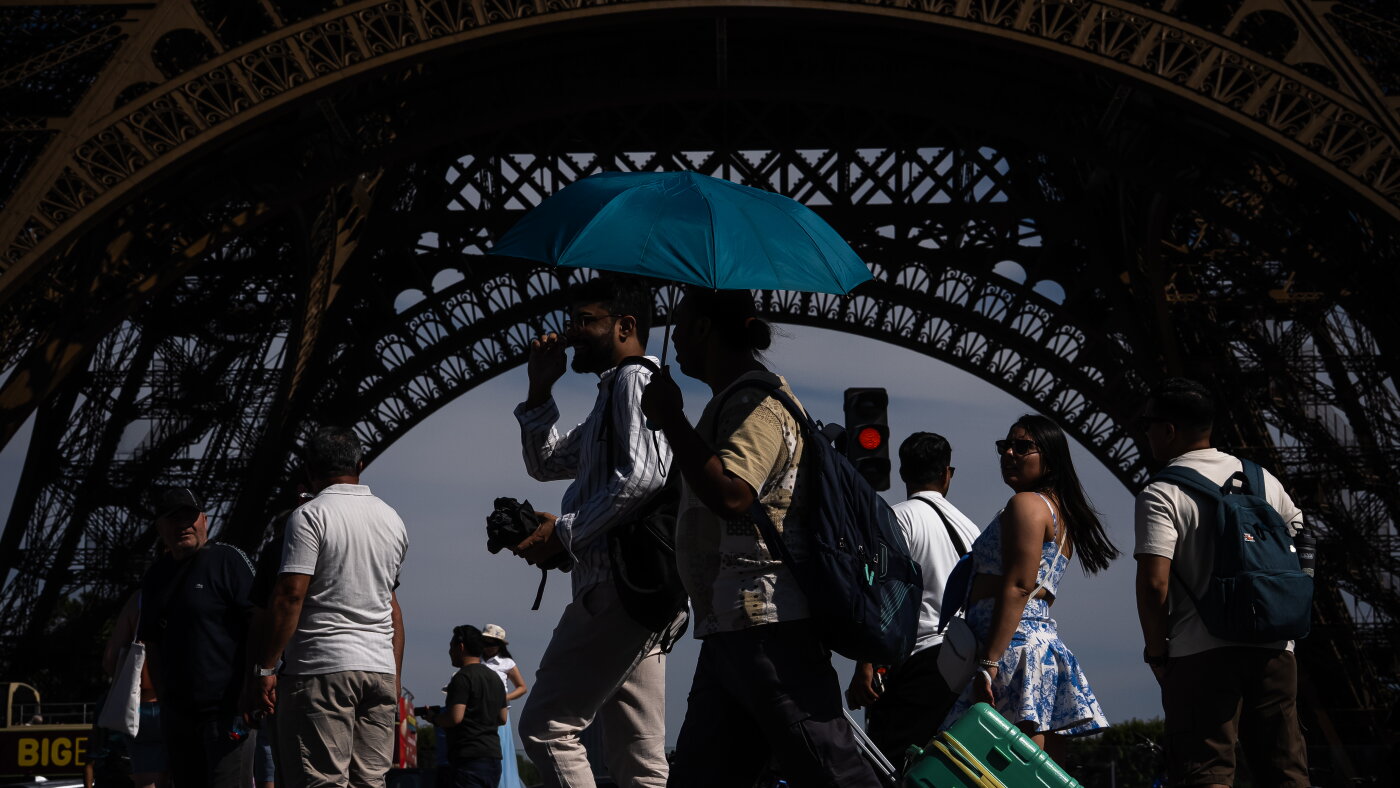
WASHINGTON — Blistering record heat in Europe this summer helped kill more than 50,000 people, with nearly two-thirds of that death toll blamed on human-caused climate change, a new study found.Researchers modeled heat-related deaths for different age groups in 854 European cities during repeated heat waves in June, July and August and found that 50,391 people died from warmer temperatures, and of those, 32,619 died because of the extra heat caused by the burning of coal, oil and gas, according to a study in an upcoming issue of Nature Health.That's 71% higher than the previous deadliest summer, which was 29,480 in 2022, according to the same researchers, who produced a study earlier this month tracking yearly summer heat-related deaths in those European cities.And this summer's death figures are underestimates because they don't count a deadly heat wave in May and they only look at deaths in those 854 cities, which are about 40% of Europe's population, study authors said.About one-third of the deaths were from June 17 to July 1, a particularly intense heat wave when temperatures were 9.5 degrees Fahrenheit (5.3 degrees Celsius) above normal, said study co-author Garyfallos Konstantinoudis, a biostatistician at Imperial College London."Much of Western and Northern Europe, our infrastructure is just not designed to cope with the sort of temperatures that we are seeing now because of the effects of human-caused warming," said lead author Clair Barnes, a climate scientist at Imperial College London.
She said some European cities this summer had temperatures 21.6 F (12 C) warmer than normal.Of those 50,000, more than 32,000 died from the added heat of human-caused climate change, the study also found.Italy, France, Spain and Germany had the highest death tolls, the study said.
Of all the European capitals, Rome had the highest heat death total from 2000 to 2025, according to the team's study earlier this month.This would've already been an abnormal natural hot spell...