


Certain sleep habits could offer clues to hidden type of depression, scientists say
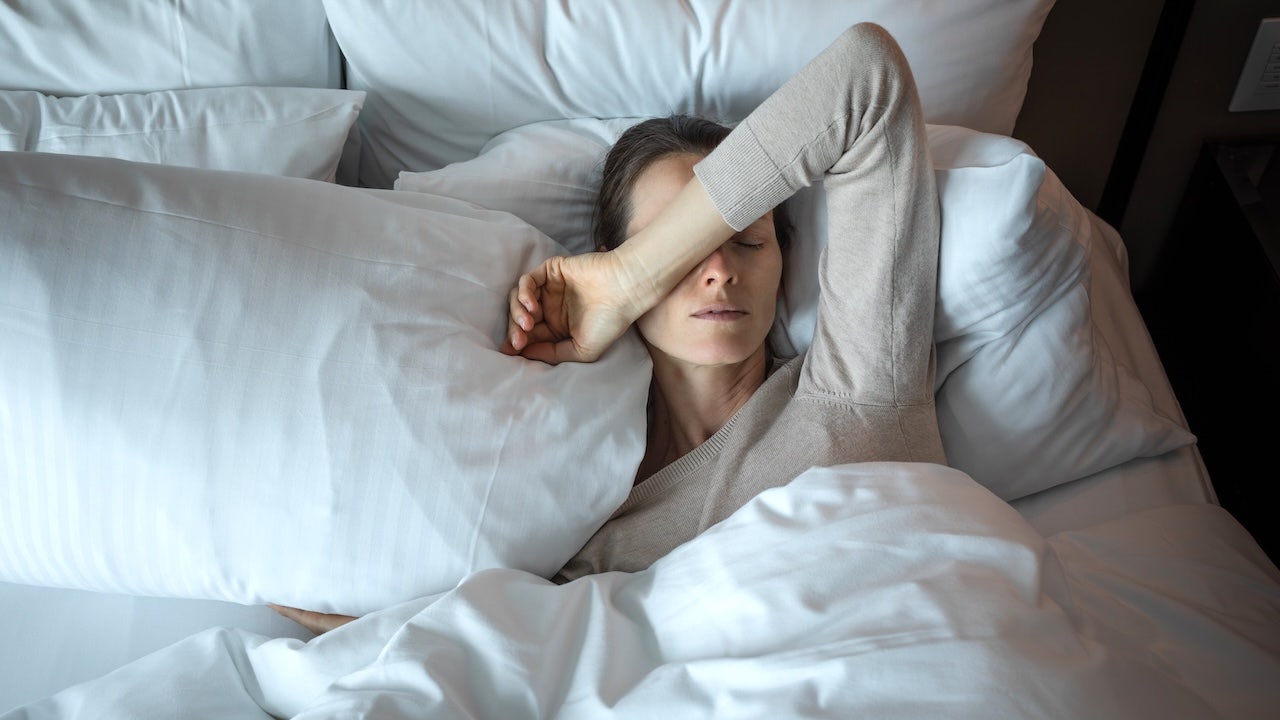
A person's sleep habits may help identify a newly proposed subtype of depression linked to the body's internal clock.In a study of 11,380 Australian adults with a history of depression, about 23% met researchers' criteria for what they called "circadian depression."The profile included at least three of six features: being an evening person, waking up feeling very tired, sleeping longer during the worst periods of depression, experiencing seasonal changes, having a later midpoint between falling asleep and waking up, and experiencing "social jetlag," a large shift in sleep timing between workdays and days off.The seasonal changes could involve sleep, mood, activity, appetite, weight or energy.THE DAYTIME HABIT THAT COULD TRANSFORM YOUR SLEEP, ACCORDING TO NEW STUDYThe study, published on Oct.20 in The British Journal of Psychiatry, could eventually help guide more personalized care for patients with depression, according to the researchers."Depression is not a uniform illness, and understanding the characteristics of different subtypes means we can give people earlier access to treatments that will be most effective for them," first author Emiliana Tonini, Ph.D., from the University of Sydney's Brain and Mind Centre, said in a statement.Researchers are studying whether disrupted sleep-wake rhythms may help identify a proposed subtype of depression.
(iStock)The label, however, is not a formal diagnosis and needs independent replication and further study, the researchers noted.People in the circadian group reported an earlier onset of depression and more severe symptoms than those who did not meet the criteria.They were also more likely to report weight gain during depressive episodes.They also reported poorer responses and more side effects with two common classes of antidepressants, selective serotonin reuptake inhibitors (SSRIs) and serotonin-norepinephrine reuptake inhibitors (SNRIs).POPULAR SLEEP AIDS BEFORE SURGERY COULD PREVENT PAINKILLER DEPENDENCE LATERPart...