


New prostate cancer screening guidelines include regular testing for most older men
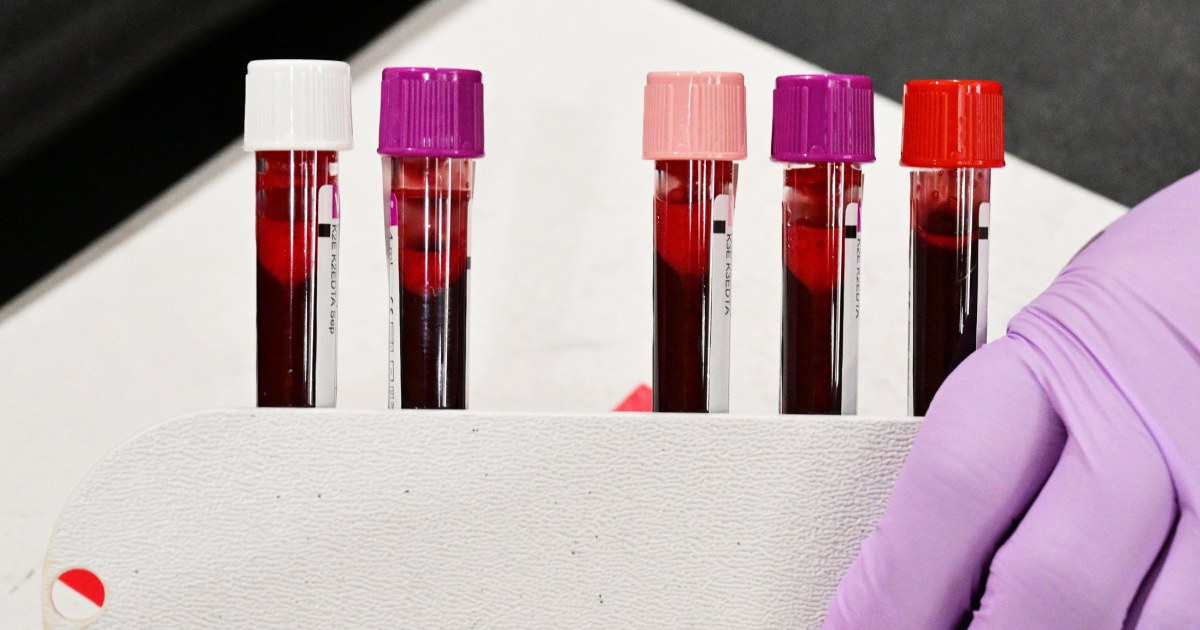
As rates of advanced prostate cancer continue a worrisome rise, the American Cancer Society is recommending that most men ages 50 to 69 get screened every other year.Those at higher risk, including Black men and others with close-family histories of the disease, should get the prostate-specific antigen blood test annually.
Men ages 70 to 74 should discuss with healthcare providers whether the PSA test makes sense for them, based on their health and life expectancy, according to the ACS.The new guidelines, published Thursday in CA: A Cancer Journal for Clinicians, are the latest pendulum swing in screening standards for prostate cancer, which is the second-leading cause of cancer death among men, behind lung cancer.Dr.
William L.Dahut, chief scientific officer of the ACS, said he hoped the new guidelines “would increase screening for men at average risk and ultimately lead to a decrease of men with metastatic disease or dying from the disease, while mitigating harm.” In the previous ACS guidelines, men ages 40 to 50 were advised to engage with their doctors in “shared decision-making” about PSA testing, as long as they had at least a decade of life expectancy.
Repeat testing was based on a PSA-level threshold.Now, the ACS much more emphatically recommends that men should get the PSA test every other year after they hit age 50.Annual screening starting at age 45 is advised for two higher-risk groups: Black men, who have higher rates of prostate cancer and are likelier to die from it.Men who have fathers or brothers diagnosed under age 65 or who have multiple such relatives diagnosed at any age.The PSA blood test can help detect signs of prostate cancer earlier, when it’s generally more susceptible to treatment.
There have long been concerns about PSA testing, because it can trigger unnecessary treatment with devastating side effects, and historically, research that it actually improved men’s survival chances was lacking.Rising cases of advanced prosta...